


Cruise ship refuelling returns to Málaga Port as maritime activity expands
Celebrity Ascent received fuel during its November 2 stopover through a ship-to-ship operation. The development follows growing LNG bunkering activity at Málaga Port, with 113 cruise calls scheduled for autumn 2026
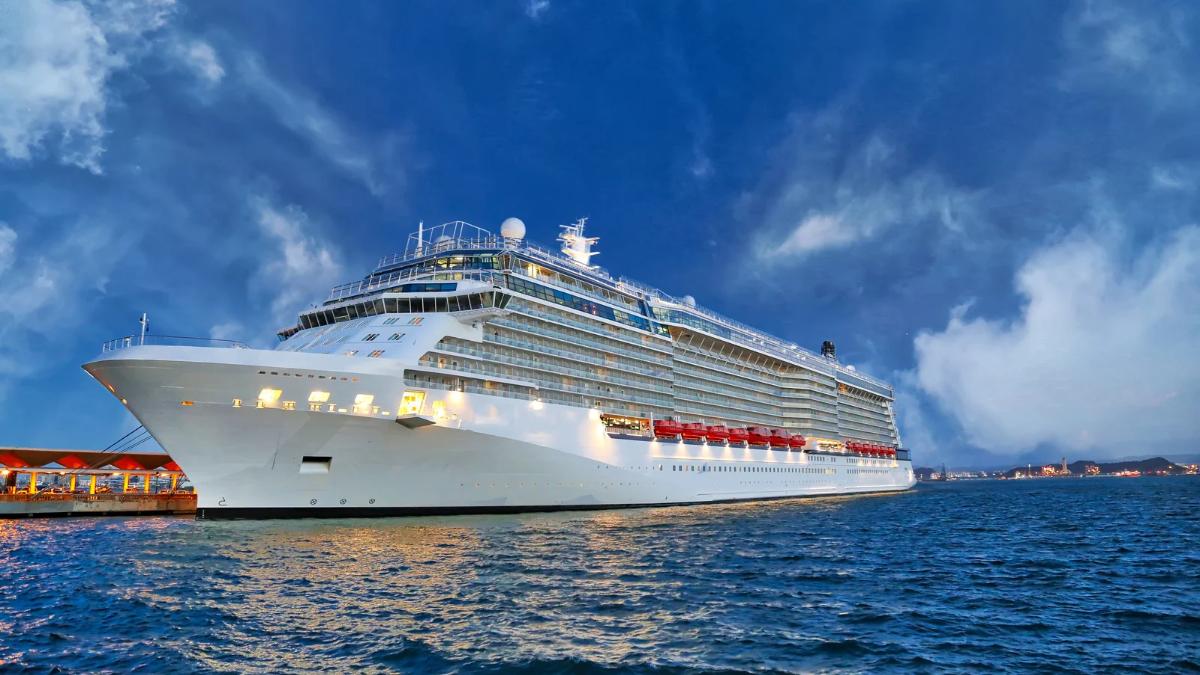

Málaga Port is expanding its activities beyond welcoming cruise passengers, with ship-to-ship refuelling operations making a comeback. The increasing number of cruise ships visiting the Costa del Sol, together with the development of new marine fuel supply services, is creating opportunities for shipping companies to refuel their vessels during scheduled stopovers.
One of the most recent examples took place on Monday, November 2, 2026, when the cruise ship Celebrity Ascent received conventional marine fuel from the tanker Hercules 400 during its visit to Málaga.
The operation was carried out while both vessels were positioned at the southern quay of the Levante Cruise Terminal, using a procedure known as ship-to-ship bunkering.
This follows two liquefied natural gas (LNG) refuelling operations involving cruise ships in October, a service that had already become increasingly established at the port for container ships and vehicle carriers.
The timing of these operations, coinciding with a busy autumn cruise season, highlights new opportunities to expand the range of services offered by Málaga's port facilities.
Celebrity Ascent refuels during its Málaga stopover
The latest reported operation involved Celebrity Ascent, a cruise ship operated by Celebrity Cruises, which visited Málaga on November 2.
During its stay, the vessel received conventional marine fuel supplied by Hercules 400, a tanker specialising in maritime refuelling operations.
Both vessels were positioned at the southern quay of the Levante Cruise Terminal while the fuel transfer took place.
The operation allowed the cruise ship to take on additional fuel without having to travel to another port specifically for refuelling.
Such procedures can be carried out during a scheduled port call, provided operational conditions and safety requirements allow bunkering to take place alongside other port activities.
What is ship-to-ship bunkering?
Ship-to-ship bunkering is a maritime operation in which fuel is transferred directly from a supply vessel to another ship.
The bunker tanker positions itself alongside the receiving vessel, and fuel is transferred through specialised hoses and equipment.
These operations require coordination between crews, maritime operators and the relevant authorities, together with compliance with established safety procedures.
One of the main operational advantages is that large vessels can receive fuel directly while berthed or, where authorised, while anchored offshore.
Málaga Port is already supplying LNG to large commercial vessels
The return of cruise ship refuelling comes amid growing activity involving liquefied natural gas (LNG) at Málaga Port.
Since 2025, LNG bunkering has become increasingly established at the port, particularly for large container ships and vessels transporting vehicles.
These operations allow ships equipped to use LNG as marine fuel to refuel during their maritime journeys.
LNG bunkering expanded into Málaga Bay in June 2026
An important development took place on June 17, 2026, when Málaga Port carried out its first LNG bunkering operations involving vessels anchored in the bay.
The ships involved were two MSC container vessels, MSC Audrey and MSC Virginia.
MSC Audrey received approximately 5,500 cubic metres of LNG, while MSC Virginia was supplied with around 7,000 cubic metres.
Together, the two operations involved more than 12,500 cubic metres of fuel.
The main innovation was that refuelling could be completed without the vessels being berthed at a quay, extending the port's ability to provide this service.
This capability is particularly relevant for shipping companies requiring fuel supplies along international maritime routes.
Cruise ships are beginning to use Málaga's LNG bunkering services
Although container ships and vehicle carriers initially accounted for much of the activity, cruise operators are also beginning to make use of the port's LNG supply capabilities.
During October 2026, two LNG bunkering operations were carried out for cruise ships calling at Málaga.
These operations demonstrate how the service is beginning to extend beyond commercial cargo vessels.
LNG bunkering and conventional marine fuel supplies are different operations, and both are relevant to the cruise industry.
In the case of Celebrity Ascent, the information published about its November 2 stopover specifically states that it received conventional marine fuel rather than LNG.
What is the difference between LNG and conventional marine fuels?
Liquefied natural gas is a fuel stored at extremely low temperatures to reduce its volume and make transportation more practical.
When used in suitable marine engines, LNG can significantly reduce sulphur oxide and particulate emissions compared with conventional marine fuels.
However, LNG remains a fossil fuel, and its overall climate impact depends partly on methane emissions during production, transportation and use.
Conventional marine fuels, meanwhile, continue to be used by many vessels, including a significant proportion of cruise ships.
Ports therefore need to accommodate different refuelling requirements depending on vessel design and engine technology.
Málaga has more than fifteen years of experience refuelling cruise ships
Although recent operations are creating fresh opportunities, supplying cruise ships with fuel from tankers is not entirely new to Málaga.
The practice dates back to 2010, when the cruise ship Grand Voyager received fuel during a stopover.
That operation took place at the northern quay of the Levante Cruise Terminal.
The ship was supplied with 600 tonnes of fuel oil and 100 tonnes of diesel, marking one of the first examples of this activity at Málaga Port.
Three further bunkering operations were completed during the same year.
Cruise ship bunkering resumed in 2017
After the initial operations in 2010, the service experienced a period of inactivity.
It was not until 2017 that cruise ship refuelling resumed, with approximately twenty operations taking place.
The recovery raised expectations that Málaga could become a regular bunkering location for cruise vessels.
However, the number of operations subsequently began to decline.
The COVID-19 pandemic also affected the cruise industry, and refuelling activity did not immediately return to its previous levels.
A gradual recovery began in 2022
Cruise ship bunkering operations began to reappear gradually from 2022, although they remained relatively infrequent.
Changes in maritime services and the introduction of new propulsion technologies have since brought renewed attention to refuelling as an area with potential for growth.
The operations recorded in October and November 2026 reinforce that trend, although their future frequency will determine whether bunkering becomes a regular part of Málaga's cruise activity.
Málaga Port expects 113 cruise calls during autumn 2026
The renewed bunkering activity coincides with a period of particularly strong cruise traffic.
According to forecasts released by the Port Authority, Málaga is expected to receive 113 cruise calls and approximately 165,000 passengers during October and November 2026.
These are two important months in the city's cruise calendar.
Of the scheduled calls, 24 involve homeport operations, meaning cruises beginning or ending their itineraries in Málaga.
Homeport activity is particularly significant because it can generate additional passenger movements, baggage handling, provisioning and other services.
November brings a busy cruise schedule
The autumn programme includes vessels from several areas of the cruise market, ranging from large passenger ships to luxury and expedition vessels.
Companies scheduled to visit include Star Clippers, Ponant, Windstar Cruises, SeaDream and Sea Cloud Cruises.
The Port Authority has also highlighted visits by distinctive vessels, including Orient Express Corinthian, which had a scheduled call in October, and ships associated with Four Seasons Yachts.
This variety of vessels creates a wide range of potential operational requirements during their stays.
Fuel supplies are one of these services, alongside provisioning, maintenance and other activities associated with maritime operations.
What could increased cruise ship refuelling mean for Málaga?
The possibility of carrying out more bunkering operations adds another dimension to the port's economic activity.
A cruise ship calling at Málaga primarily for tourism generates passenger movements and demand for certain services.
If the vessel also refuels during its visit, it brings an additional logistical operation to the port.
This could increase activity for marine fuel suppliers, logistics operators and other specialist maritime service providers.
However, any growth will depend on factors such as demand from shipping companies, fuel availability, costs and safety requirements.
It should not be assumed that every cruise ship visiting Málaga will require refuelling.
Instead, bunkering represents an additional commercial and operational opportunity that will depend on the needs of individual operators.
Málaga Port strengthens its position on international maritime routes
The development of additional bunkering services allows Málaga Port to expand its offering to different types of maritime traffic.
In recent years, the port has combined its established passenger and cruise activities with services for large commercial cargo vessels.
The introduction of LNG bunkering at anchorage during 2026 represents an important expansion in the range of operations available within Málaga Bay.
Cruise ship refuelling adds to this development, including both LNG and conventional marine fuels.
Together, these services could improve Málaga's capacity to accommodate the different requirements of shipping companies operating in the Mediterranean and on Atlantic routes.
Key facts about cruise ship refuelling at Málaga Port
| Category | Details |
|---|---|
| Latest reported operation | Celebrity Ascent |
| Date | Monday, November 2, 2026 |
| Fuel supply vessel | Hercules 400 |
| Fuel type | Conventional marine fuel |
| Location | Southern quay, Levante Cruise Terminal |
| LNG bunkering operations involving cruise ships in October | 2 |
| First cruise ship refuelling operation mentioned in the historical record | 2010 |
| First LNG bunkering operations at anchorage | June 2026 |
| Cruise calls expected in October and November | 113 |
| Expected passengers during both months | Approximately 165,000 |
A new opportunity for Málaga's maritime sector
The refuelling operation involving Celebrity Ascent on November 2 has brought renewed attention to a service that, despite having a history in Málaga dating back to 2010, has experienced periods of limited activity.
What makes the current situation different is that Málaga Port has now gained experience in supplying LNG to large vessels and has extended these operations to ships anchored in the bay.
With a busy autumn cruise season underway, the coming weeks may provide further indications of whether operators increasingly use their Málaga stopovers for fuel supplies.
The return of cruise ship bunkering represents another opportunity for Málaga Port to diversify its maritime services and strengthen its position along international Mediterranean shipping routes.

Latest news



Similar News

Legend of the Seas Chooses Málaga for Its Presentation Ahead of Its Mediterranean Debut
Málaga
