La Zúa Pool: a natural refuge in the Serranía de Ronda for escaping the heat
Located beside the Guadiaro River in Cortes de la Frontera, this natural swimming pool combines calm waters, riverside vegetation and an ancient hydraulic system of Andalusi origin that remains in use today.
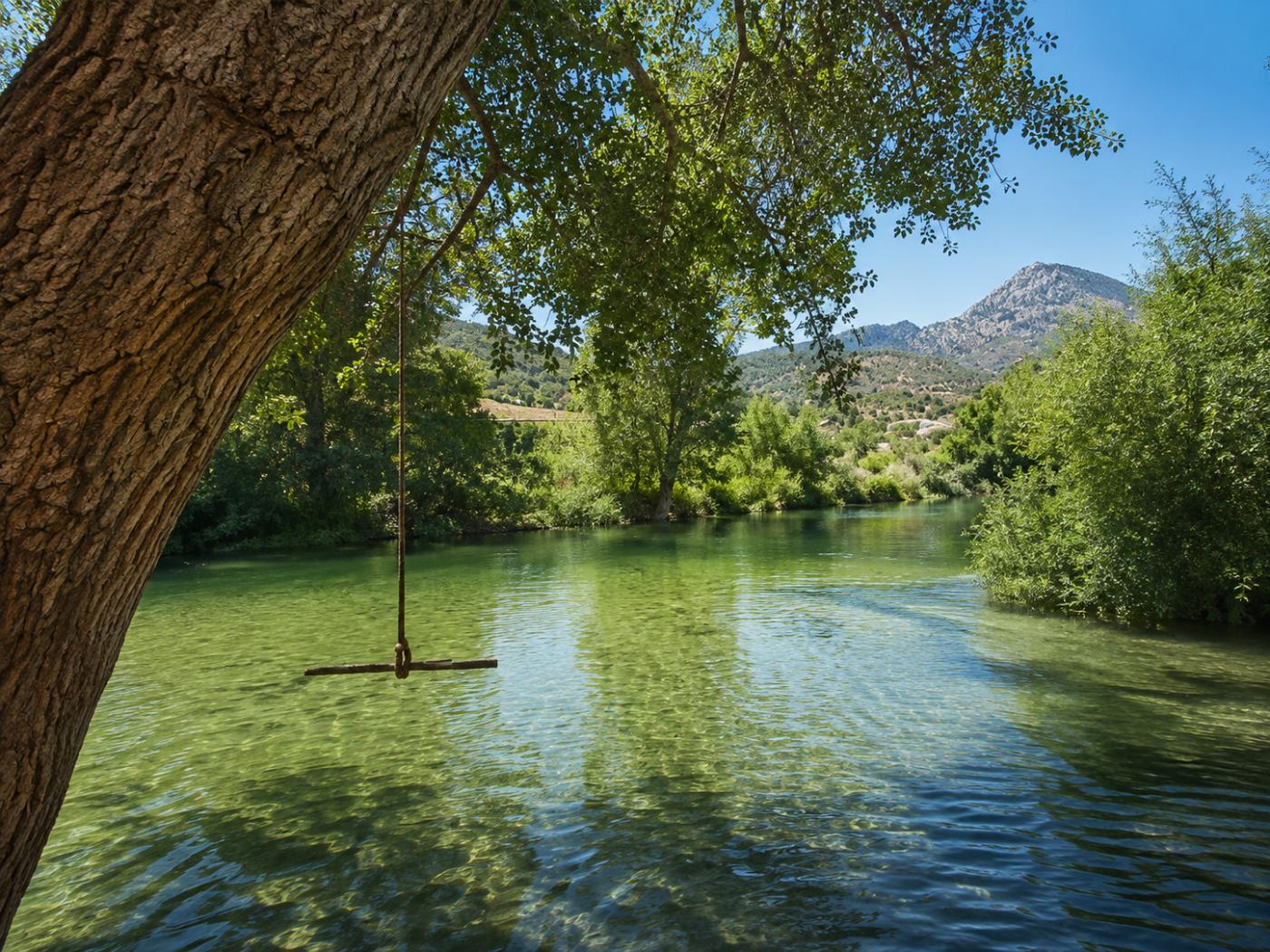

When temperatures rise in Málaga, the province’s inland areas offer refreshing alternatives to the coast. One of them is La Zúa Pool, a natural swimming area formed along the Guadiaro River beside the village of Cañada del Real Tesoro, also known as Estación de Cortes, within the municipality of Cortes de la Frontera.
The setting offers the chance to swim in the heart of the Serranía de Ronda, surrounded by poplars, ash trees, eucalyptus and reeds. The abundant riverside vegetation provides large shaded areas and creates a particularly cool atmosphere during the hottest days of summer.
A natural pool created by an ancient dam
The pool is more than just a place for swimming. Its origins are linked to a small artificial dam, or “zúa”, built during the Andalusi period to retain part of the Guadiaro River’s water and channel it through an irrigation ditch towards the surrounding farmland.
This hydraulic system continues to support agricultural activity today, making the site a living example of how earlier communities managed water resources and adapted to the valley’s landscape.
Over time, the dam created a broad area of calmer water that is now also used as a recreational swimming spot during the summer.
Calm waters and a spacious swimming area
The bathing area is relatively large and has a mainly earthy riverbed, with few stones. In much of the pool, the water does not completely cover an adult, although some sections are deeper.
Beside the river there is an open area where visitors can rest beneath the trees. From the surroundings, it is possible to see the town of Cortes de la Frontera and the Líbar mountain range, a landscape that reflects the rugged character of this part of Málaga province.
Its accessible and family-friendly nature has made La Zúa a popular summer destination among local residents, particularly at weekends. The experience is simple: lay down a towel, cool off in the river and spend a few hours surrounded by nature.
How to reach La Zúa Pool
To reach the site from Cortes de la Frontera, take the A-373 road towards Cañada del Real Tesoro. Once inside the village, access begins from the main street and descends along a narrow lane towards the Guadiaro River.
The final section is short and includes railings and wooden walkways leading down to the riverbank.
The nearby railway station also makes it possible to visit using the train line between Ronda and Algeciras, which runs through the Guadiaro Valley.
Take care when entering the water
Although parts of the pool are shallow, it remains a natural river environment. Málaga Provincial Council’s guide to natural pools and swimming spots recommends caution near the small drop created by the dam and advises visitors to avoid areas with dense vegetation, where there is a risk of becoming caught in reeds or branches.
The guide also discourages using ropes attached to trees for jumping into the water, as reaching them and swinging safely requires skill and may be dangerous.
River conditions and water levels can also change. Visitors should check the state of the area before entering, respect the vegetation and remove all rubbish to help preserve the site.
A different summer experience in inland Málaga
La Zúa Pool proves that summer in Málaga is not limited to the Mediterranean beaches. Calm water, riverside trees and the mountain scenery of the Serranía make this corner of Cortes de la Frontera an appealing alternative for those seeking relief from the heat away from the busiest coastal areas.
Its history adds further interest to the visit. Beneath the appearance of a natural swimming pool lies a centuries-old water management system that remains connected to the farmland of the valley.
Information sources: La Opinión de Málaga and Málaga Provincial Council’s guide to natural pools and swimming areas.

Latest news



Upcoming events
17
Sep
La Pequeña Cuba Gastro-Cultural Festival in San Pedro Alcántara 2026
18
Sep
World Wellness Weekend Marbella 2026
18
Sep
Candlelight: Queen vs. ABBA in Málaga
18
Sep
Candlelight: Coldplay and Imagine Dragons in Málaga
18
Sep
3 de Corazones – Pancho Céspedes, Enrique Ramil and José Luis Jaén in Málaga
Similar News

Ronda’s Tajo Gorge Walk opens in full on 16 September: tickets cost €12 and the route stretches for almost one kilometre
Ronda
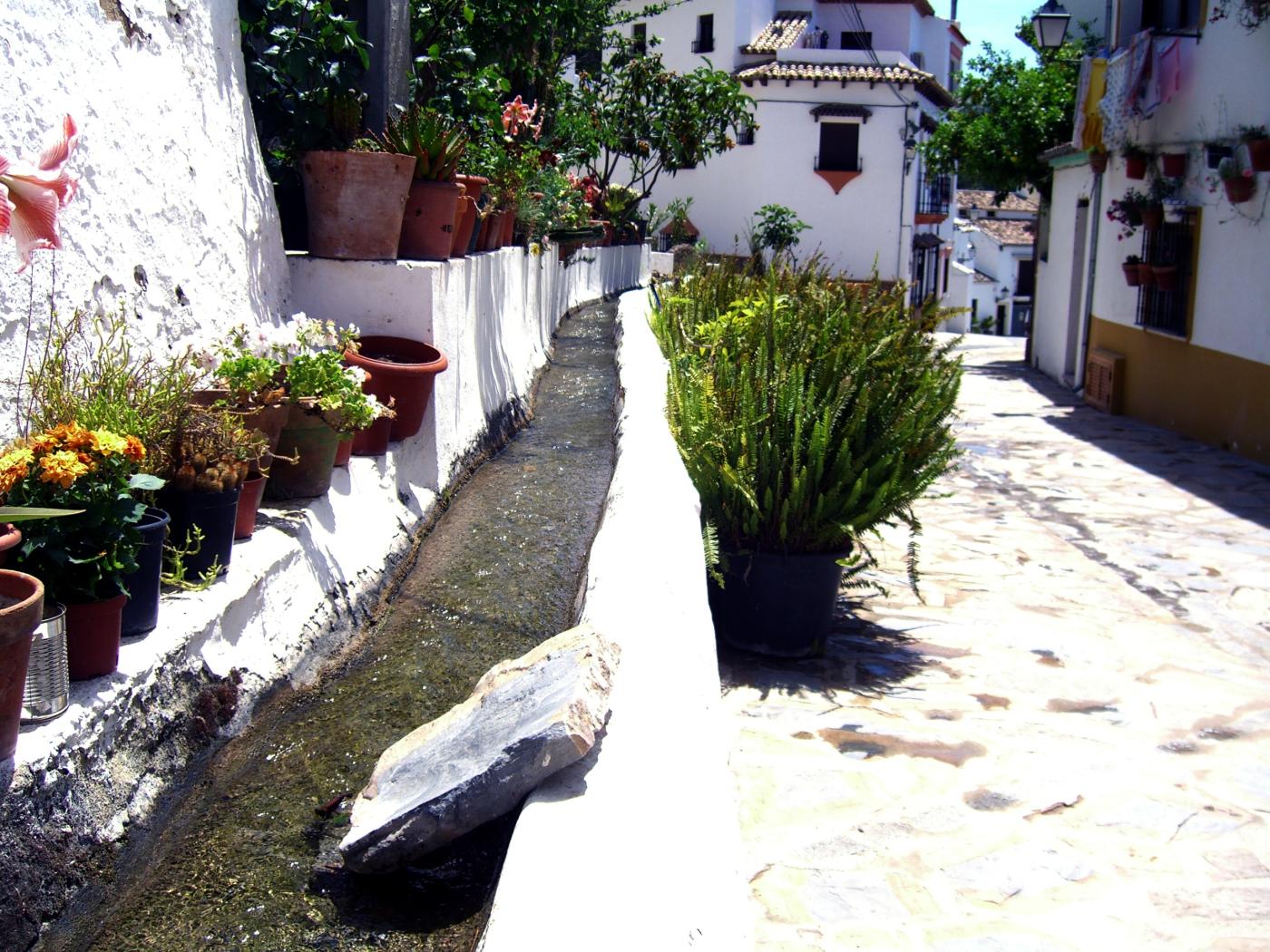
Montecorto: The White Village in Málaga With Crystal-Clear Irrigation Channels and Roman Ruins You Need to Visit This Summer
Ronda