


From the Laboratory to the Patient: The Progress of Clinical Research in Hospitals
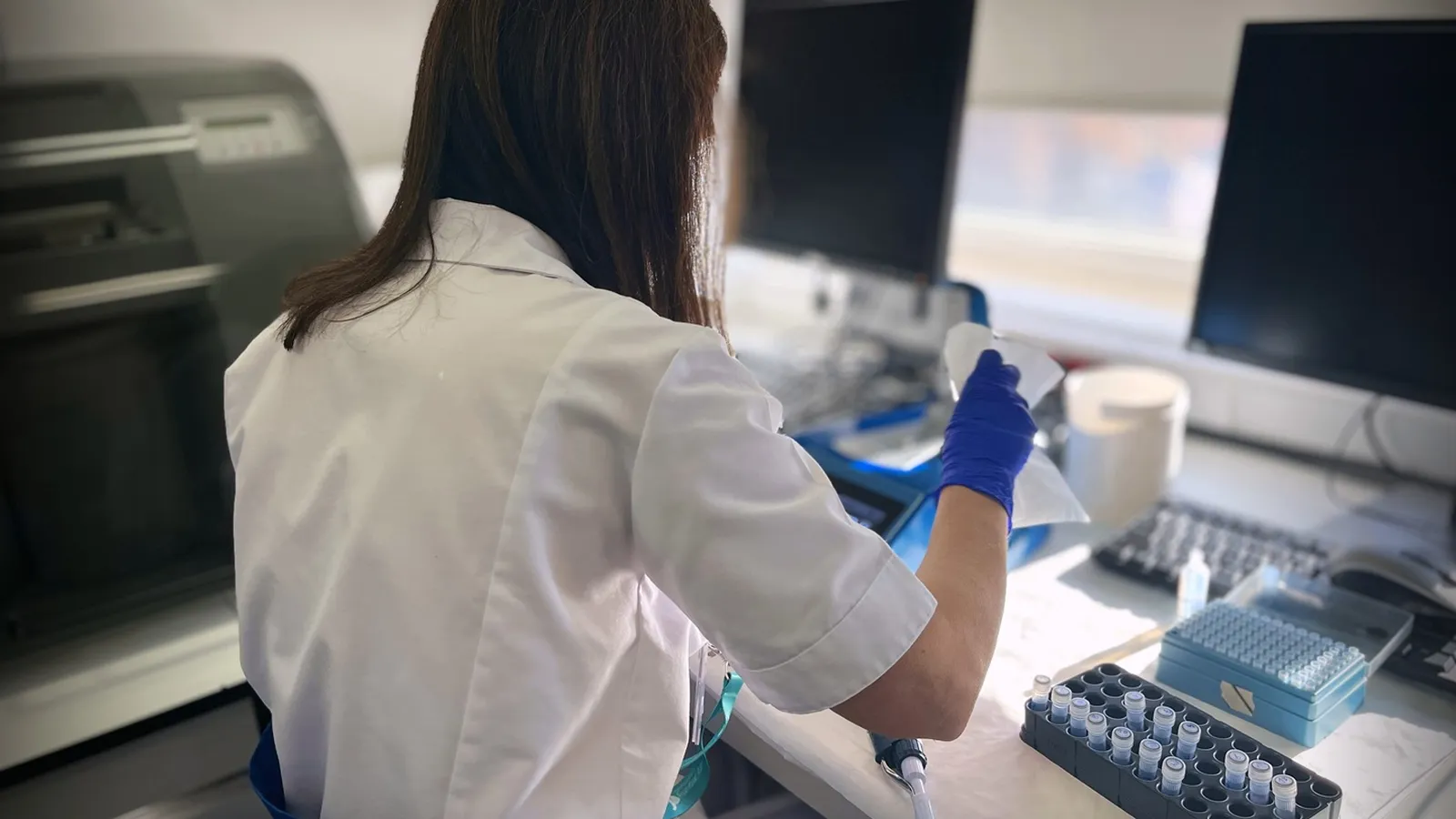

Clinical research has become the main driver of transformation in modern healthcare. Today, hospitals are not only care centers but also critical settings for the medicine of the future. Clinical trial programs essentially represent an opportunity to access treatments early, allowing patients to benefit from the most advanced therapies years before they become widely available in pharmacies or clinical guidelines.
This opportunity to access innovation also unfolds in environments of utmost safety. Participating in a trial involves having close medical monitoring, under extraordinarily demanding scientific protocols and constant surveillance. It is, in short, precision medicine applied ahead of time to meet health needs that today have no other medical solution.
In practice, all this science translates into projects across a multitude of medical specialties, with research that is already changing the daily lives of people with very diverse pathologies.
Lung Cancer: mRNA Vaccines
Manuel Cobo, oncologist and co-director of the Research Unit at the Comprehensive Oncology Service of Hospital Quirónsalud MálagaAt the Hospital Quirónsalud Málaga, with a 25% increase in its clinical trials by 2025, for example, the Oncology area has made research one of its fundamental pillars. Particularly noteworthy is an international trial with personalized mRNA-based vaccines for operated lung cancer patients. This strategy seeks to prevent tumor recurrence and increase the chances of cure, as advanced by Dr. Manuel Cobo, oncologist and co-director of the Research Unit at the Comprehensive Oncology Service of Hospital Quirónsalud Málaga. This therapeutic innovation in lung cancer is currently being conducted in 19 countries, including the United States, Japan, and Spain.
Allergies: Anticipating the Crisis and Regaining Autonomy
Ignacio García Núñez, head of the Allergology Service at Hospital Quirónsalud Córdoba and Hospital Quirónsalud Campo de GibraltarIn turn, research is also allowing us to anticipate diseases and improve the approach to common pathologies. This is the case with the work being carried out at the Hospital Quirónsalud Córdoba, focusing on pathologies with a high impact on daily life quality, such as respiratory and food allergies. Under the direction of Dr. Ignacio García Núñez, head of the Allergology Service at this center and at Hospital Quirónsalud Campo de Gibraltar, studies are being conducted that can predict crises before the patient needs to go to emergency services, or research on tolerance to nuts. These advances aim to restore autonomy to people, allowing them to eliminate the fear of cross-contamination in their daily lives. Dr. García Núñez defends the suitability of this latest scientific work, because it will allow patients with a poor diagnosis or a more limited diet, who are often afraid to eat out because they do not control the possible presence of traces, to avoid cross-contaminations, for example. “The results of the study will allow patients to expand their diet and benefit from the properties of nuts that do not cause them allergies,” he adds. Also notable in this field is the participation in 5 clinical trials for the health registration as a medication for immunotherapy against mites or pollens.
Paradigm Shift in COPD
José María Ignacio, head of the Pulmonology Service at Hospital Quirónsalud Marbella and Hospital Quirónsalud Campo de GibraltarAt the Hospital Quirónsalud Marbella, research has opened a new horizon in the treatment of Chronic Obstructive Pulmonary Disease (COPD). International clinical trials on COPD, led at the hospital by Dr. José María Ignacio, head of the Pulmonology Service of this center and of Hospital Quirónsalud Campo de Gibraltar, have opened the door to a possible therapeutic paradigm shift after showing not only a reduction in respiratory exacerbations but also a decrease in associated cardiovascular mortality. “For the first time, it was observed that inhaled treatments for COPD were associated with a decrease in cardiovascular mortality in these patients,” this expert highlights. It is a clear example of how scientific work allows transferring laboratory advances directly to the patient's life, an activity that the Marbella center has consolidated with 20 active studies in the last year, including clinical trials, research projects, and Real World Data studies.
Rheumatology: Research to Recover Joint Mobility
Doctor Paula Cejas, Rheumatologist at Quirónsalud Sacred HeartAt the Hospital Quirónsalud Sacred Heart, Dr. Paula Cejas, specialist in Rheumatology and coordinator of the Advanced Rheumatology Center, notes the current participation of the center, along with other European countries, Canada, and the United States, in a trial to measure the effectiveness of a new intra-articular treatment against synovitis and knee osteoarthritis, aimed at improving disabling symptoms such as swelling, pain, or stiffness of this joint. This research is joined by national and international participation in multiple studies on rheumatic pathologies, such as lupus, psoriatic arthritis, or rheumatoid arthritis, among others. Indeed, Rheumatology studies represent almost 30% of all current hospital activity, especially thanks to the work of the Advanced Rheumatology Center.
To support all this activity, Hospital Quirónsalud Sacred Heart has, since 2024, the Research Support Unit, a department created to boost research at the center and provide support to the services participating in clinical studies (46 active currently), with oncology and rheumatology being the specialties with the most research activity.
Strength of Research
These cases are not isolated exceptions, but rather reflect a commitment to medical cutting-edge that is comprehensive and extends throughout the entire Quirónsalud hospital network. Nationally, the group has around 1,500 active clinical trials; just in the last year, the Andalusian centers added 145 active clinical trials and launched 50 new studies - a dozen of them in early phases, which are the most methodologically complex. This effort is also reflected in a prolific academic output, with 86 scientific publications annually, most of them in the most prestigious international journals.
In conclusion, clinical research is not an isolated activity, but the axis that allows medicine to keep advancing. Investing in the development of trials is, ultimately, investing in the patient; it is the commitment of professionals and centers to continue seeking answers and a way to ensure that future treatments are available as soon as possible for those who need them most.

Latest news





Upcoming events
12
Nov
El Desembarco, la traición de Viriato at La Caja Blanca
12
Nov
HOMER El Mero Mero at Sala Trinchera Málaga
13
Nov
Marbella Startup Lab – Innovate & Collaborate
13
Nov
Candlelight: Coldplay & Imagine Dragons at Sala Fundación Unicaja María Cristina
13
Nov
Candlelight: Tribute to Ludovico Einaudi at Anantara Villa Padierna
Similar News

Marbella Launches ‘Summer Youth’ Programme with 2,500 Free Places
Marbella

Premium Tourism Drives Marbella’s Hotel Profitability to Record Levels as Overnight Stays Exceed 291,000
Marbella

‘Machos Alfa’ seeks extras in Marbella for filming of its sixth and final season
Marbella
