


Costa del Sol Hospital becomes a Breast Milk Bank Receiving Center
The center is integrated into the strategic network linked to the Human Milk Bank of the Virgen de las Nieves University Hospital in Granada. Workers at the Marbella hospital sleep in their cars: "I put the sheets, recline the seat, and lower the window."
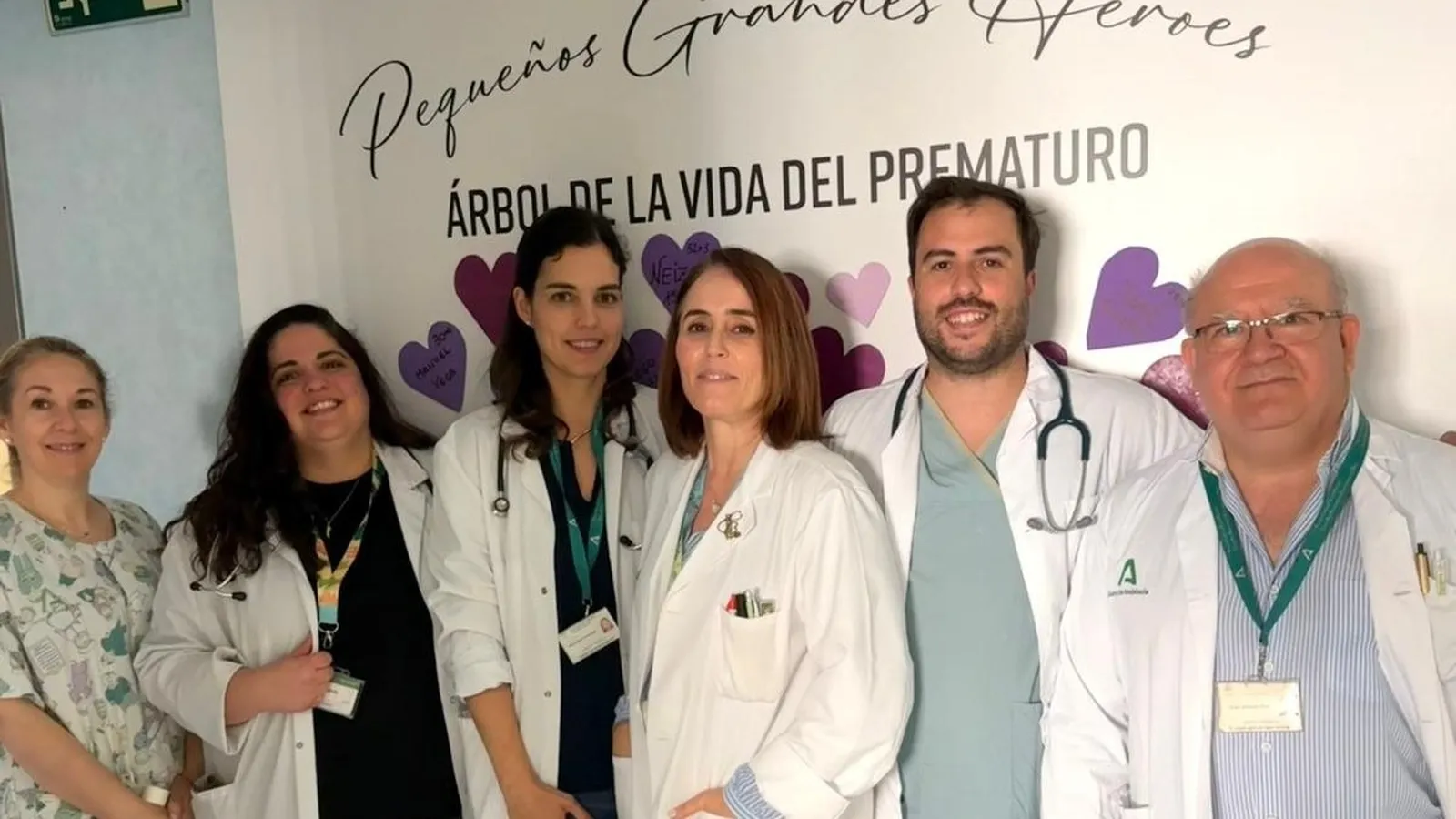

The Costa del Sol University Hospital (HUCS) has become a receiving center for a human milk bank from donor mothers, a system that provides higher quality care for premature babies, as reported by the Andalusian Regional Government this Tuesday.
The process began before the pandemic and after various logistical challenges, it firmly resumed in 2025, so the center has officially joined this May the strategic network linked to the Human Milk Bank of the Virgen de las Nieves University Hospital in Granada.
The project was created to respond to those neonates who, due to their fragility or maternal health complications, cannot temporarily receive milk from their own mother, considering that breast milk is the best therapeutic option for sick or premature newborns, as highlighted by the Regional Government in a statement.
In this way, HUCS consolidates itself as a key receiving center in the eastern area of the province and officially integrates into the network of breast milk receiving centers supplied from the Human Milk Bank of the Virgen de las Nieves University Hospital in Granada.
Thus, the Andalusian administration has explained that being a receiving center means that HUCS now has the logistical and technical capacity to receive milk from donor mothers, transport it to the reference bank and subsequently store and administer processed milk safely for neonates.
Operation and technical resources
With the launch of this service, the Marbella hospital functions as a collection point for donated milk, receiving it raw and ensuring its custody to maintain the cold chain and organize its safe transport to the central bank, where it is subsequently processed and pasteurized.
On the other hand, Costa del Sol functions as a receiving center for pasteurized milk since it securely stores the milk that has already been processed and pasteurized in Granada and is transferred to HUCS for immediate administration to the admitted newborns who need it under medical prescription, ensuring the cold chain and total traceability until it reaches the baby.
To achieve this milestone, the hospital has made a strategic investment in precision cooling equipment, installing industrial-grade freezers with continuous monitoring technology. These devices feature thermal alarms and recording systems that ensure that the milk, both raw and pasteurized, is permanently maintained at temperatures from -18°C to -30°C.
The milk is transported between hospitals in validated isothermal containers that maintain the temperature below -18°C throughout the journey. Each delivery undergoes an immediate quality control where the integrity of the batch and the reception temperature are verified. Once received, each bottle has an ID (batch) that allows knowing which donor it came from and under what conditions it was stored at HUCS.
Benefits for the community
For the child, donated milk is the "gold standard" when there is no own mother's milk, preventing severe infections and improving neurological development. This food significantly reduces the risk of necrotizing enterocolitis and improves food tolerance. It also reduces the anxiety of parents and families facing the temporary inability to breastfeed and reinforces confidence in the public health system.
Additionally, it positions HUCS at the forefront of the humanization of perinatal care and it is estimated that the center will benefit dozens of children each year, especially those born weighing less than 1,500 grams or extreme preemies, approximately 10-15% of admissions in Neonatology.

Latest news





Upcoming events
12
Nov
El Desembarco, la traición de Viriato at La Caja Blanca
12
Nov
HOMER El Mero Mero at Sala Trinchera Málaga
13
Nov
Marbella Startup Lab – Innovate & Collaborate
13
Nov
Candlelight: Coldplay & Imagine Dragons at Sala Fundación Unicaja María Cristina
13
Nov
Candlelight: Tribute to Ludovico Einaudi at Anantara Villa Padierna
Similar News

Marbella Launches ‘Summer Youth’ Programme with 2,500 Free Places
Marbella

Premium Tourism Drives Marbella’s Hotel Profitability to Record Levels as Overnight Stays Exceed 291,000
Marbella

‘Machos Alfa’ seeks extras in Marbella for filming of its sixth and final season
Marbella
