


Up to 80% of strokes could be prevented with better lifestyle habits
Brain health continues to be undervalued despite its impact. Experts warn that many neurological diseases could be prevented with simple lifestyle-related measures.

We talk a lot about mental health, but very little about brain health. All this, although 43% of the global population suffers from a brain disease, according to a study published in The Lancet Neurology.
A reality that costs in quality of life and healthcare systems. In Europe, the cost of neurological diseases exceeds that of oncological and cardiovascular pathologies combined. Not only because of their prevalence, but also because of the profound effect they have on patients, families, and caregivers.
The figures in Spain clearly reflect this: 8 million people suffer from migraines, 2 million from neuropathic pain and about 800,000 live with some form of dementia. A burden that, to a large extent, could be reduced with more prevention. In fact, the data indicates that, of the nearly 120,000 strokes that occur each year, up to 80% could be prevented by improving lifestyle habits.
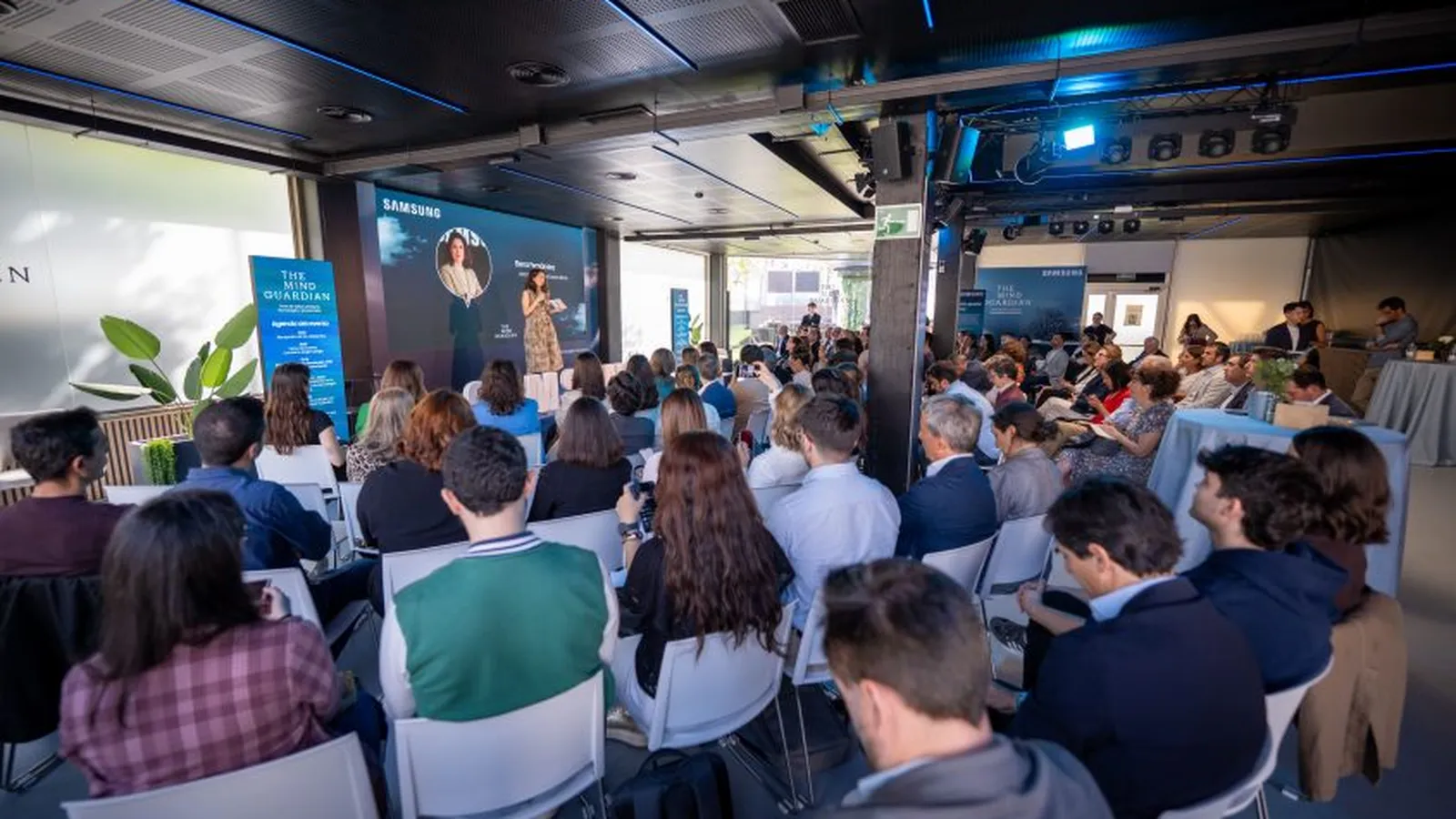
Everyday activities like reading or cooking can reduce the risk of dementia by up to 20%This is the central message that has been defended by Jesús Porta-Etessam, president of the Spanish Society of Neurology (SEN), during the first anniversary of The Mind Guardian, an app launched by Samsung to promote the early detection of cognitive decline. "Technology does not diagnose or replace the doctor, but it can bring resources closer and remove barriers," stated Elena Fernández, CMO of Samsung Electronics Iberia.
Focusing on the tool, developed in collaboration with the University of Vigo, it is noteworthy that it is free and aimed at people over 55 years old without obvious symptoms, with the goal of facilitating a first step before concerns arise. Data from the first year highlight that 86% of users who agreed to share their data for scientific purposes are between 55 and 69 years old, with an even distribution across age groups, and a slight male predominance (55%). That is, there is interest in preventing dementia before it's too late.
In reality, as the president of the SEN highlights, brain care starts from childhood. Access to education and healthy living conditions conditions cognitive development throughout life, reinforcing the idea that brain health is not only an individual responsibility but also a collective challenge.
But beyond technology, taking care of brain health is really a matter of keeping it in mind every day. It's not necessary to do sudoku or puzzles of a thousand pieces (or maybe it is). In reality, everyday activities like reading or cooking can reduce the risk of dementia by up to 20%. Our brain is one of the most complex organs and yet one of the most forgotten; caring for it is precisely the best way to preserve our memories as long as possible.
Main risks that hinder prevention
There are key factors to consider in brain health care that continue to be weak points for Spanish society. Sleeping well, something that Spaniards are not very good at (Spaniards sleep an average of 6.5 hours a day), and which is the time when our brain cleanses itself of toxins. Doing physical exercise, not necessarily in the gym, but engaging in any kind of exercise regularly and continuously. Eating well, preferably following a Mediterranean diet, and enjoying it with people who nourish our social activity. And of course, avoiding key toxins, such as tobacco or alcohol, and as much as possible, pollution.
Less tangible aspects also influence, but are equally relevant. "Maintaining a positive attitude and having life goals helps brain health," Porta emphasized.
But not everything can be in the hands of each person individually. Changes need to be made globally. In this vein, Samsung has announced a collaboration agreement with Afaga Alzheimer, the Association of Relatives of Alzheimer's Patients and other dementias of Galicia, to promote awareness and early management of cognitive decline. "Prevention is the fundamental tool to face the impact of dementias. Acting earlier allows us to preserve cognitive health and improve the quality of life of patients and families," highlighted Juan Carlos Rodríguez, president of the entity.

Latest news





Upcoming events
12
Nov
El Desembarco, la traición de Viriato at La Caja Blanca
12
Nov
HOMER El Mero Mero at Sala Trinchera Málaga
13
Nov
Marbella Startup Lab – Innovate & Collaborate
13
Nov
Candlelight: Coldplay & Imagine Dragons at Sala Fundación Unicaja María Cristina
13
Nov
Candlelight: Tribute to Ludovico Einaudi at Anantara Villa Padierna
Similar News

Marbella Launches ‘Summer Youth’ Programme with 2,500 Free Places
Marbella

Premium Tourism Drives Marbella’s Hotel Profitability to Record Levels as Overnight Stays Exceed 291,000
Marbella

‘Machos Alfa’ seeks extras in Marbella for filming of its sixth and final season
Marbella
