


One in three Andalusians suffers from environmental allergies, many undiagnosed.
Experts from the San Juan de Dios Hospital in Nervión explain and warn about the increase in allergens this spring, a figure that is rising, and is expected to reach 50% by 2050.
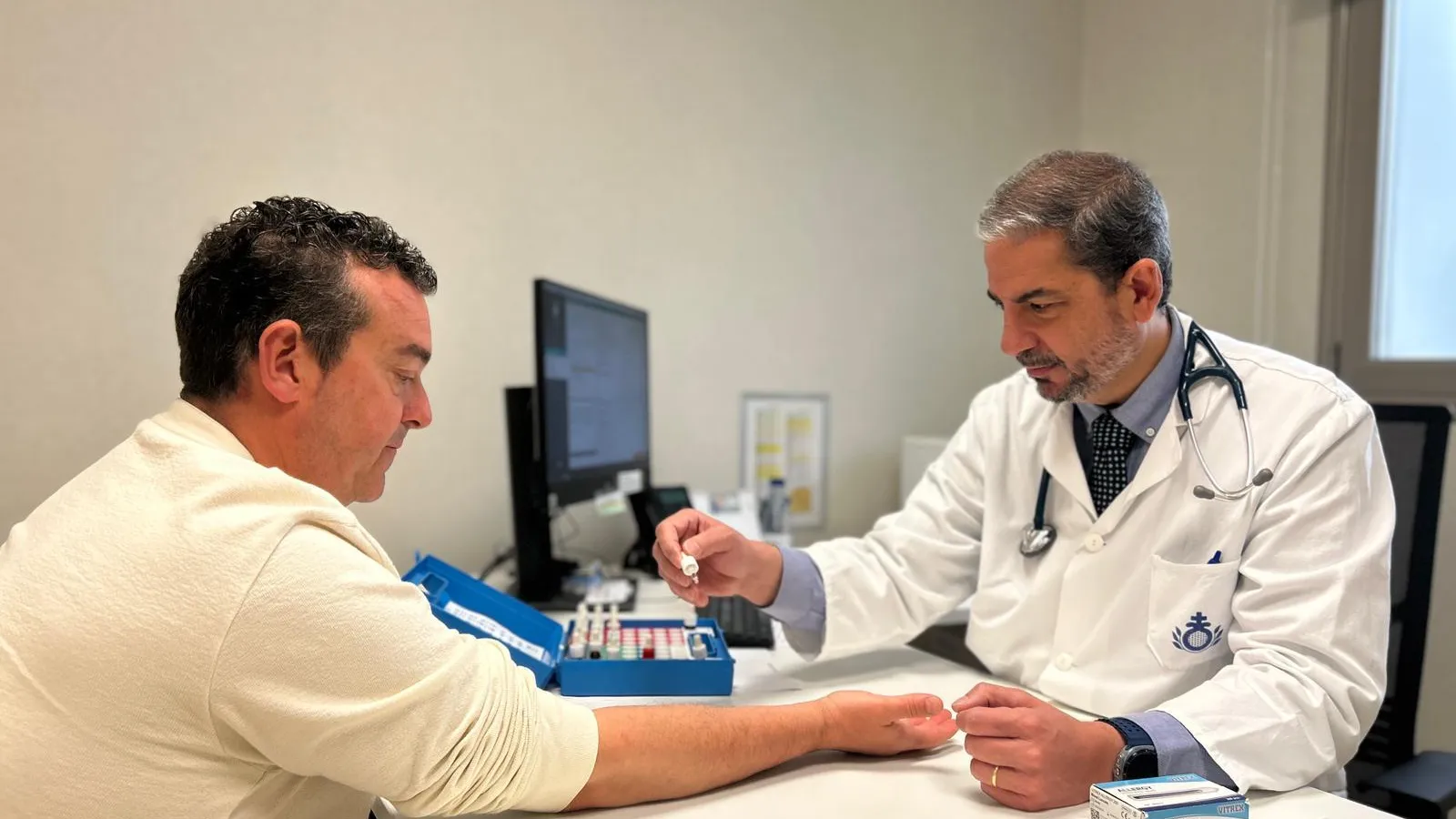

The rise in temperatures and the increase in pollution are causing spring to last longer and pollen to become more allergenic, resulting in a more prolonged and severe clinical presentation. The heavy rains this year in January and February, along with the low temperatures, suggest an early start to spring 2026 with very high pollen levels, thus a challenging spring is expected for those allergic to pollen, a population that is growing year by year and is currently estimated to affect twenty to thirty percent of people.
In Andalusia, the pollen that appears earliest in the air is from the cypress, followed by grasses, London plane trees, and olive trees; and this year's high pollen concentration will significantly affect those allergic to pollen, worsening their symptoms.
Allergy clinics typically manifest in various ways: as rhinitis (nasal mucus, sneezing, nasal itching, congestion), conjunctivitis (tearing, eye itching, red eyes) or as asthma (coughing, wheezing, chest tightness, difficulty breathing). Agustín Velloso, a specialist in allergology at San Juan de Dios in Sevilla, explains that “allergics can present any of these symptoms or even all of them,” and adds that “anyone who has had any of these symptoms in past springs or is already experiencing them this year should undergo the appropriate allergy tests and receive treatment.”
When Not Treating Allergies Facilitates Their Progression
“The symptomatology of an allergic often starts with rhinoconjunctivitis (eye and nose itching, sneezing, or mucus) and, over time, many cases also develop asthmatic symptoms such as cough, wheezing, and difficulty breathing,” explains Dr. Velloso.
Far from being a problem exclusively in spring, allergies can be present throughout the year. In Seville, besides pollens, there are common allergies to dust mites, molds, or animals, which cause a similar symptomatology but persistently. Additionally, there are plants that pollinate outside of spring, such as the cypress in winter or weeds in summer, extending the exposure period.
The problem, as the specialist warns, is that many patients are not diagnosed or resort to self-medication. “The consequences of not being properly treated result in more symptoms and greater severity of these,” he emphasizes.
Diagnosis and Treatment in the Allergology Service
Upon the appearance of symptoms, specialists stress the importance of visiting an Allergology Unit. Anyone who has experienced discomfort in previous springs or is experiencing it this year should seek a medical evaluation.
The Allergology Service at the hospital provides all the necessary tests to achieve a precise diagnosis and determine the origin of the allergy. From there, an individualized treatment is established, which may include antihistamines, nasal sprays, eye drops, or inhalers, with the goal of achieving effective symptom control.
In addition, the indication for hypoallergenic immunotherapy, the only treatment capable of modifying the course of the disease and providing a lasting improvement, is evaluated. This treatment, which must be prescribed exclusively by an Allergology specialist, not only relieves symptoms but also reduces their long-term intensity.

Latest news





Upcoming events
12
Nov
El Desembarco, la traición de Viriato at La Caja Blanca
12
Nov
HOMER El Mero Mero at Sala Trinchera Málaga
13
Nov
Marbella Startup Lab – Innovate & Collaborate
13
Nov
Candlelight: Coldplay & Imagine Dragons at Sala Fundación Unicaja María Cristina
13
Nov
Candlelight: Tribute to Ludovico Einaudi at Anantara Villa Padierna
Similar News

Marbella Launches ‘Summer Youth’ Programme with 2,500 Free Places
Marbella

Premium Tourism Drives Marbella’s Hotel Profitability to Record Levels as Overnight Stays Exceed 291,000
Marbella

‘Machos Alfa’ seeks extras in Marbella for filming of its sixth and final season
Marbella
