


One in every ten women in Andalusia could suffer from endometriosis without knowing it.
On World Endometriosis Day, Vithas specialists in Andalusia emphasize early diagnosis to improve quality of life and discuss current treatments.
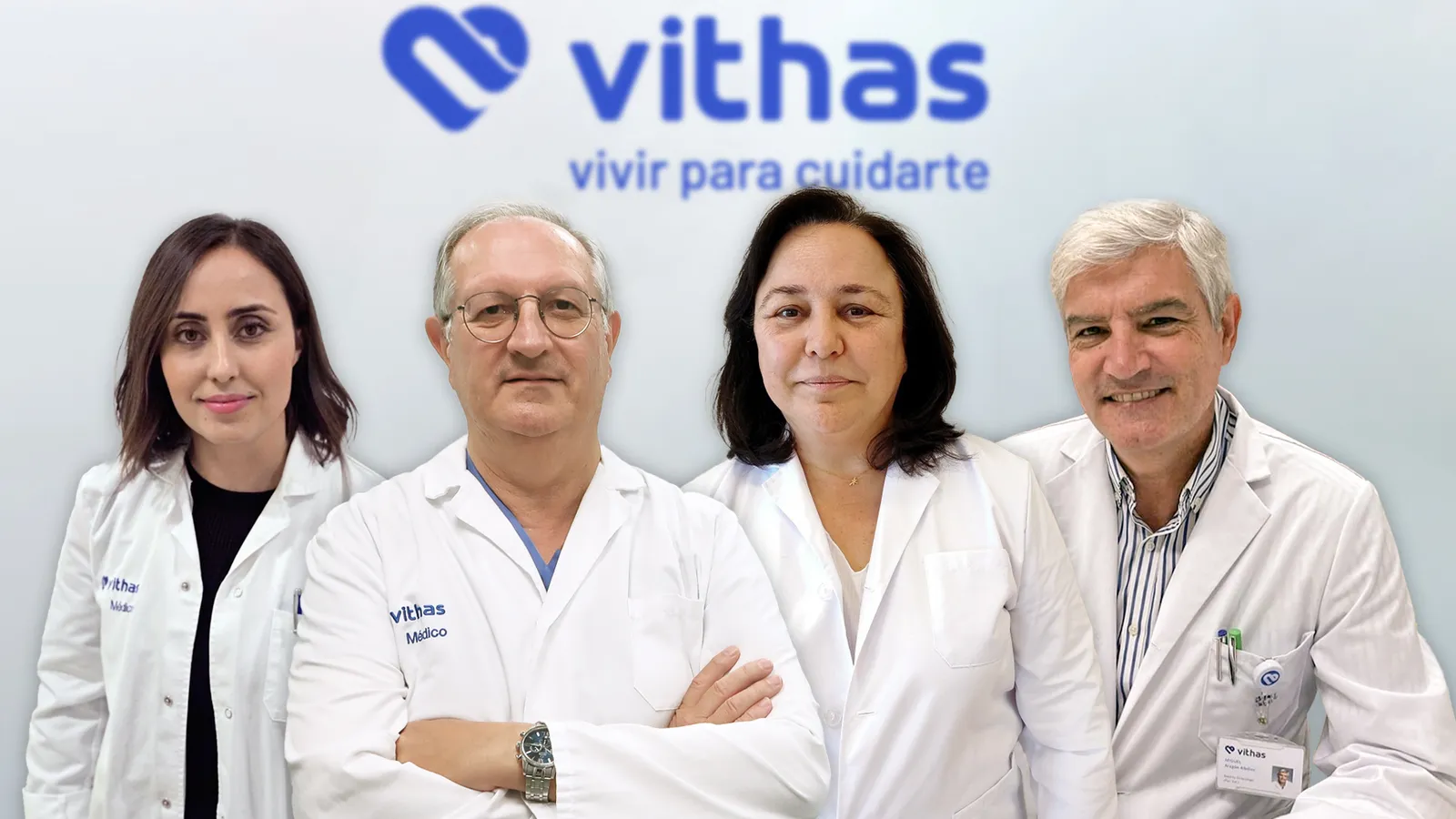

Endometriosis is a chronic inflammatory disease that, according to data from the Association of Women Affected by Endometriosis (ADAEC), can affect up to one in ten women of reproductive age in Spain. This translates to approximately more than 2 million women nationwide, and around 400,000 in Andalusia, when this estimate is applied to the regional demographic weight. Professionals from the hospitals Vithas Almería, Vithas Granada, Vithas Málaga, Vithas Sevilla, and Vithas Xanit Internacional offer their view on a disease that is often underdiagnosed.
As stated by Dr. Amelia Vizcaíno, coordinator of the Gynecology service at Hospital Vithas Granada, "the diagnosis of endometriosis is often complex and delayed because its symptoms are very variable and frequently confused with menstrual discomfort." Moreover, there is no single simple test that confirms the disease in all cases, and it can present differently in each woman and evolve slowly.
Warning Signs from Adolescence and During Motherhood
Dr. Emilia Villegas, head of the Gynecology Unit at hospitals Vithas Málaga and Vithas Xanit Internacional, emphasizes the importance of early recognition of the main warning signs of this disease, both in young and adult women. "Endometriosis is not just a painful menstruation. When menstrual pain is debilitating, forcing the patient to miss school or work, does not improve with usual analgesics, or worsens over time, we must suspect there might be something more," the specialist stresses.
"Listening to the patient and comprehensively assessing her pain is key to detecting the disease in its early stages and avoiding complications," adds the specialist, emphasizing the need to seek a review for "persistent or debilitating symptoms."
Regarding its impact on motherhood, Dr. Miguel Aragón, a gynecologist specializing in endometriosis and fertility at Vithas Almería, warns that "between 30% and 50% of women with endometriosis may have difficulties achieving pregnancy", making early intervention a key issue. The disease can compromise fertility in various ways: by altering pelvic anatomy, reducing ovarian reserve, affecting egg quality, or creating an inflammatory environment that hinders fertilization and embryo implantation. However, the specialist offers reassurance: "Having endometriosis does not mean you cannot become a mother, but it does mean that it is advisable to tailor the plan according to age, disease severity, ovarian reserve, and duration of attempting to conceive."
Surgical Intervention in Endometriosis
Dr. Francisco Márquez Maraver, a specialist in Obstetrics and Gynecology at Hospital Vithas Sevilla and an expert in endometriosis, emphasizes that this chronic and systemic disease continues to be underestimated. Regarding when surgery is really necessary, the specialist recalls that it "is not the first therapeutic step," as the initial approach is usually medical. Surgery is indicated only when "the pain persists despite treatment, there are adverse effects to hormonal therapy, or deep endometriosis with intestinal, urinary, or nerve involvement is suspected." It may also be necessary for symptomatic endometriomas, infertility in selected cases, or severe complications.
In these cases, Dr. Márquez Maraver highlights that "the decisive factor is not the radiological image, but the real impact on the patient's life." When intervening, Dr. Vizcaíno adds the importance of having specialized cross-disciplinary teams. "At Vithas Granada, we work in a coordinated manner among different specialties to not only diagnose more quickly but also to offer a personalized treatment plan that considers all the impacts of the disease on the patient's life," including teams with high technology, the Da Vinci robot at the service of gynecology, among others, for the treatment of this and other high-complexity surgeries.
Robotic surgery is also present at Hospital Vithas Xanit Internacional, where Dr. Davinia Moya, a gynecologist specializing in minimally invasive surgery, highlights how "its use reduces bleeding and improves patient recovery, allowing for safer and more precise interventions." The hospital complements this approach with NESA neuromodulation, a technique that applies imperceptible microcurrents to regulate the autonomic nervous system. This treatment helps to reduce chronic pain, decrease inflammation, and accelerate post-surgical recovery.

Latest news





Upcoming events
12
Nov
El Desembarco, la traición de Viriato at La Caja Blanca
12
Nov
HOMER El Mero Mero at Sala Trinchera Málaga
13
Nov
Marbella Startup Lab – Innovate & Collaborate
13
Nov
Candlelight: Coldplay & Imagine Dragons at Sala Fundación Unicaja María Cristina
13
Nov
Candlelight: Tribute to Ludovico Einaudi at Anantara Villa Padierna
Similar News

Marbella Launches ‘Summer Youth’ Programme with 2,500 Free Places
Marbella

Premium Tourism Drives Marbella’s Hotel Profitability to Record Levels as Overnight Stays Exceed 291,000
Marbella

‘Machos Alfa’ seeks extras in Marbella for filming of its sixth and final season
Marbella
