


Home Dialysis Emerges as a Way to Improve Quality of Life
Peritoneal dialysis at home allows for treatment to be adjusted to daily life, avoids travel, and improves day-to-day experiences. Specialists and patients call for improved access with more information and equity.

Home peritoneal dialysis has ceased to be a marginal option and has become an increasingly valued alternative by nephrologists and patients. It is not suitable for all profiles nor does it replace other treatments, but it offers clinical advantages, personal autonomy, and some relief in the daily lives of those who depend on renal replacement therapy.
When chronic kidney disease reaches an advanced stage, the kidney loses so much function that the body can no longer sustain itself. At that point, it is necessary to replace this function. The best option is a kidney transplant, but it is not always immediately possible. This is where peritoneal dialysis comes into play, a technique that uses the peritoneum (the abdominal membrane) as a biological filter.
The president of the Andalusian Society of Nephrology, Dr. María José Espigares, explains that the procedure involves introducing fluid into the abdomen, letting it act, and then draining it after it has absorbed the substances that the kidney can no longer eliminate. This exchange can be done manually or through a nighttime cycler. "The patient connects before going to bed and, while sleeping, the system performs several cycles of infusion and drainage. In the morning, they disconnect and go about their normal life."
Behind this explanation lies a simple idea: the treatment integrates better into the patient's routine. Espigares highlights that this modality "provides autonomy in scheduling and organization," to the extent that many patients on peritoneal dialysis continue working. In her opinion, it is also a more physiological system than in-center hemodialysis.
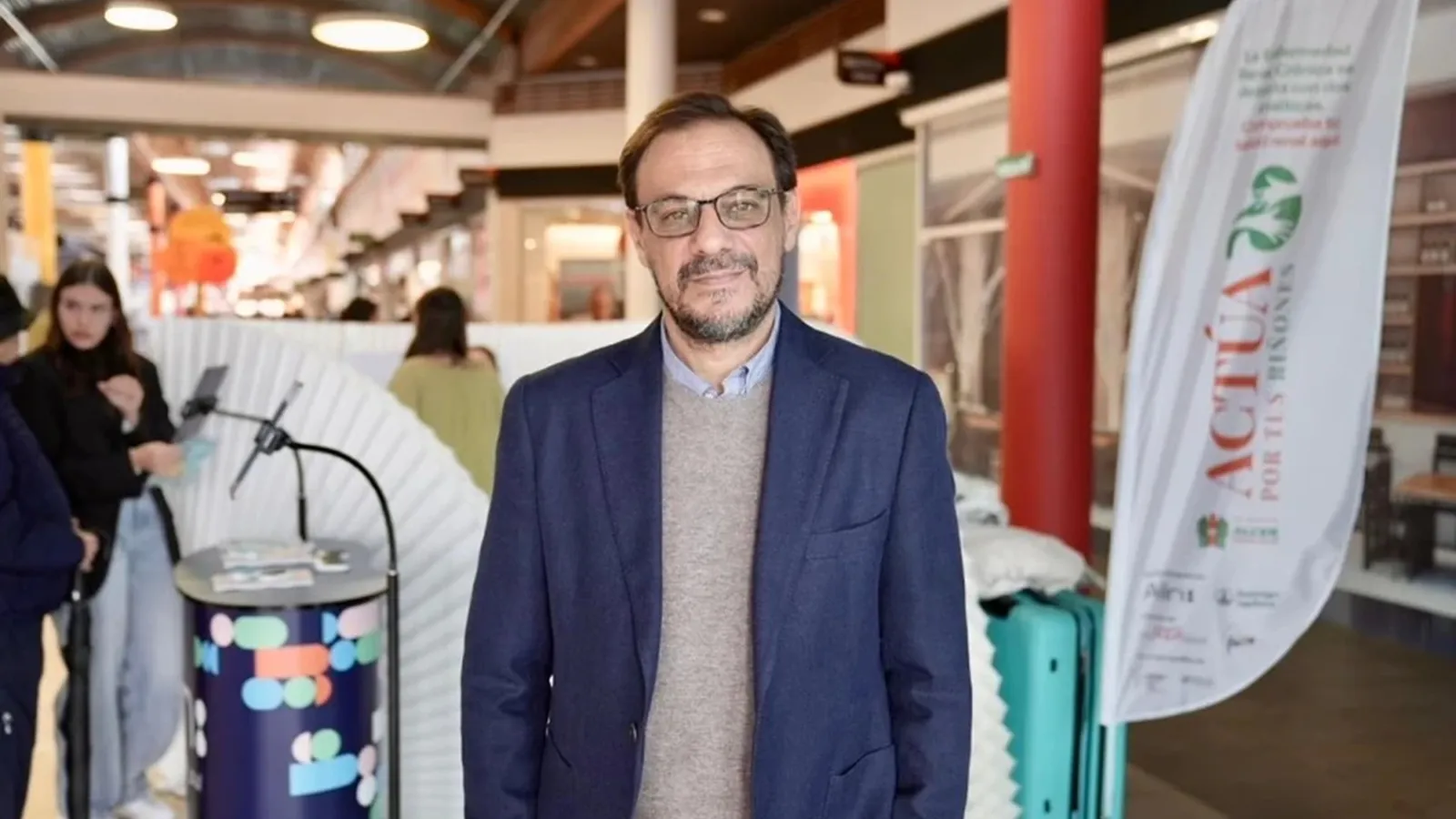
Dr. María José Espigares presides over the Andalusian Society of Nephrology. / M.G.Mario Sánchez, a patient and vice president of Alcer Giralda, explains from experience. He has been on peritoneal dialysis for seven years and previously underwent hemodialysis. "I always encourage them to choose home dialysis for several reasons. But the main one is because you adapt the treatment to your life and not your life to the treatment." In his story, the difference is noticeable in aspects such as adjusting the time of connection and reducing dependence on fixed schedules.
He also emphasizes the physical difference between the two modalities. "It is much more similar to what a kidney does than doing in four hours what your kidney does in 48 or 72, which is a shock to your whole body." He adds another key advantage: avoiding trips to the dialysis center, which saves many hours of travel.
The home option requires learning, the ability to manage self-treatment, and suitable personal or family conditions. "Not everyone can do it," Sánchez acknowledges. Therefore, prior information is crucial. Espigares insists that "it is difficult to choose something you do not know." At Alcer Giralda, explains Sánchez, many patients seek psychological, social, or nutritional support and the experience of others who have gone through the same.
Variability according to provinces and autonomous communities
Andalusia stands at about 17.6% usage of peritoneal dialysis in patients with chronic kidney disease, according to the president of the SAN, a figure within the Spanish average and which shows some variability according to provinces and autonomous communities. The challenge, according to Dr. Espigares, is not only to grow but to do so equitably and with adequate teams. Thus, she highlights the role of nursing, which not only participates in health and technical education but also helps to resolve doubts, assess capabilities, and accompany in the process. Hence, she advocates for "greater recognition of these professionals as advanced practice nurses."

Latest news





Upcoming events
12
Nov
El Desembarco, la traición de Viriato at La Caja Blanca
12
Nov
HOMER El Mero Mero at Sala Trinchera Málaga
13
Nov
Marbella Startup Lab – Innovate & Collaborate
13
Nov
Candlelight: Coldplay & Imagine Dragons at Sala Fundación Unicaja María Cristina
13
Nov
Candlelight: Tribute to Ludovico Einaudi at Anantara Villa Padierna
Similar News

Marbella Launches ‘Summer Youth’ Programme with 2,500 Free Places
Marbella

Premium Tourism Drives Marbella’s Hotel Profitability to Record Levels as Overnight Stays Exceed 291,000
Marbella

‘Machos Alfa’ seeks extras in Marbella for filming of its sixth and final season
Marbella
