'Neanderthal Malaga: A Journey Through the Origins of Malaga', the book that reveals how people lived in the province more than 150,000 years ago
They are investigating whether Rincón de la Victoria has a site over 100,000 years oldRincón de la Victoria is carrying out the construction of a new storm drain on Camino Viejo de Vélez
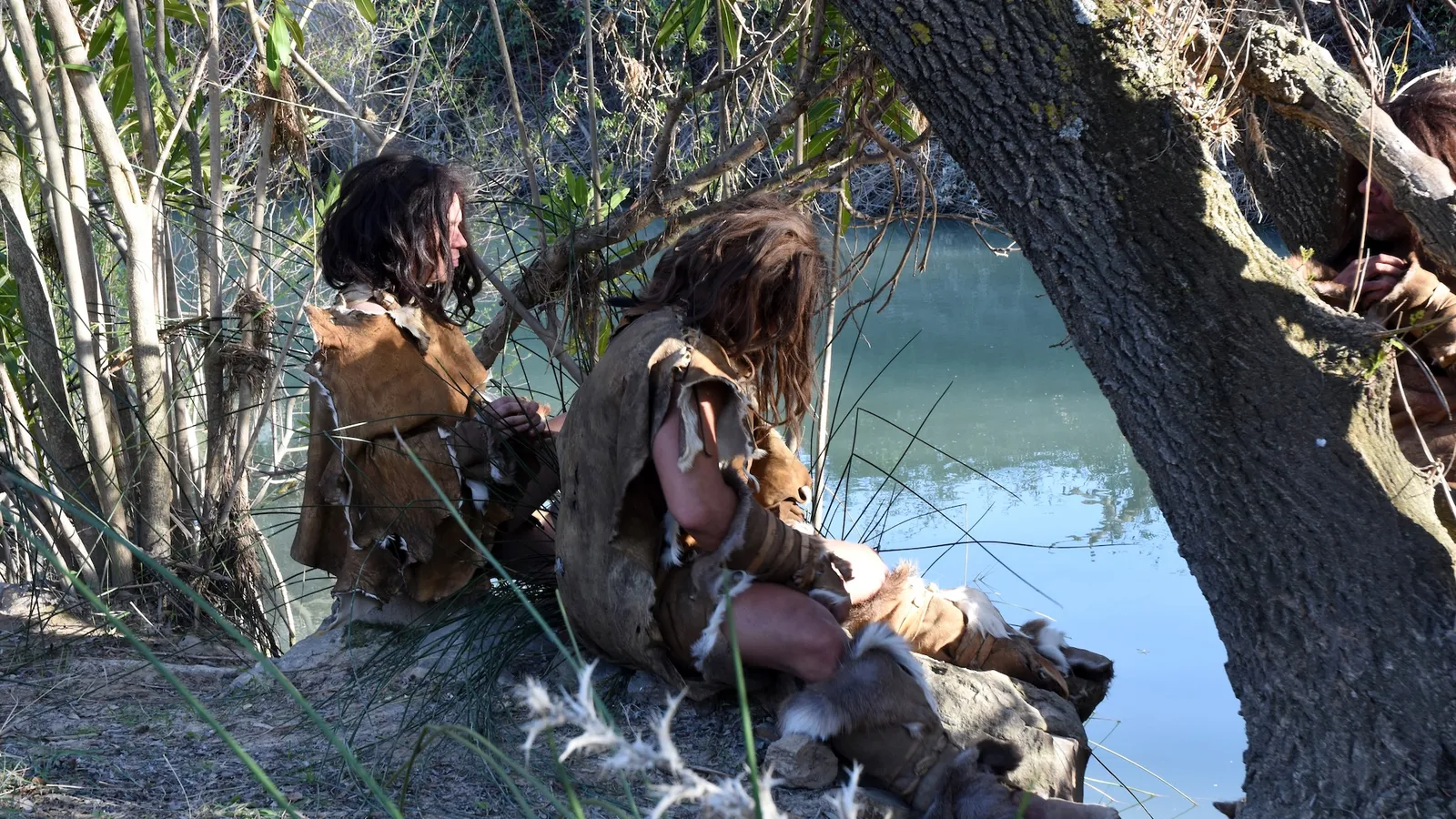

Neanderthals lived in Europe up until 150,000 years ago. Throughout this time, they made various discoveries that have lasted to this day. Therefore, a group of 19 researchers from all over the world has compiled the book Málaga Neandertal: Ruta por los Orígenes de Málaga to analyze how they lived and what kind of findings they have left us in the province of Málaga.
The aim of this informative book, which this newspaper has had access to, is to summarize the advances that have occurred in the study of the Middle Paleolithic in the province of Málaga over the last ten years, with the goal of transferring knowledge between archaeology, rock art studies, and chronological contributions to the current society "interested in the human origins of southern Iberian Peninsula."
Among the authors, there are some Spaniards such as María del Mar Espejo, Luis-Efrén Fernández, José Ramos, or Pedro Cantalejo, although researchers from Canada, China, or Portugal have also participated. The book addresses points such as the resurgence of the Neanderthals, their way of life, or even the physical and paleoenvironmental framework of the "current province of Málaga" during the Middle Paleolithic.
The book concludes that the Neanderthals in Málaga practiced 'restricted nomadism'
The publication documents 47 sites distributed between the coast and the interior of the province of Málaga. Some of these sites are the Depression of Antequera to the valleys of Teba and Guadalhorce or the cave of Las Grajas, in Archidona, where researchers have highlighted how rich it has been for study. The research in this section has concluded that Málaga was a "privileged territory" due to its water resources, lagoon areas, and abundance of lithic raw materials, which favored a continuous and strategic occupation by Neanderthal communities.
Map indicating where each analyzed site is located / M. H.Regarding the occupation, Ramos, a professor at the University of Cádiz, explained that these people practiced a kind of 'restricted nomadism'. In this sense, he detailed that these people lived in one place or another, marked by the climate. Therefore, they have highlighted that these people were already "quite intelligent," also emphasizing the use of tools and resources.
Therefore, this book addresses the scientific revision of the traditional image of Neanderthals. Against old prejudices that considered them primitive and limited groups, current research shows that they were organized societies, with effective technology, planned mobility, and the ability to exploit both terrestrial and marine resources.
The technique they have carried out for the dating of the sites
The study of rock art in Malaga caves such as Ardales, Rincón de la Victoria, or Antequera also gains, according to the group of researchers, special relevance, as they have been able to date how long they were in the province of Málaga. The datings obtained place some graphic manifestations more than 40,000 years old.
According to Cantalejo, this strengthens the hypothesis of Neanderthal authorship and places Málaga at "the international forefront of the debate on the origins of human art." It is so significant that they have revealed that in Rincón de la Victoria there is a site that may be dated to 100,000 years old, although they have also explained that they need to corroborate this with other international laboratories.
What tools have they used for this? One of the techniques that has helped in the dating of the different pictorial elements found in the sites has been dating through 'uranium-thorium'. With this technique, researchers have been able to analyze the dating of the surface on which the pictorial element is located, as many of these surfaces have different elements that can cause the rock art to deteriorate or make access difficult. Once the surface is analyzed, researchers conclude that the painting was made before the date found, as phenomena such as stalactites appear after thousands of years.
Cantalejo detailed that this research began more than 40 years ago, although the book was written in two years. He also thanked the Provincial Council of Málaga for their role in disseminating such an important discovery for Málaga and for all of Europe. So much so that the group of researchers hopes that, after the publication of the book, stereotypes about the people who lived in the province of Málaga more than 150,000 years ago will be broken.

Latest news




Upcoming events
17
Sep
La Pequeña Cuba Gastro-Cultural Festival in San Pedro Alcántara 2026
18
Sep
World Wellness Weekend Marbella 2026
18
Sep
Candlelight: Queen vs. ABBA in Málaga
18
Sep
Candlelight: Coldplay and Imagine Dragons in Málaga
18
Sep
3 de Corazones – Pancho Céspedes, Enrique Ramil and José Luis Jaén in Málaga
Similar News
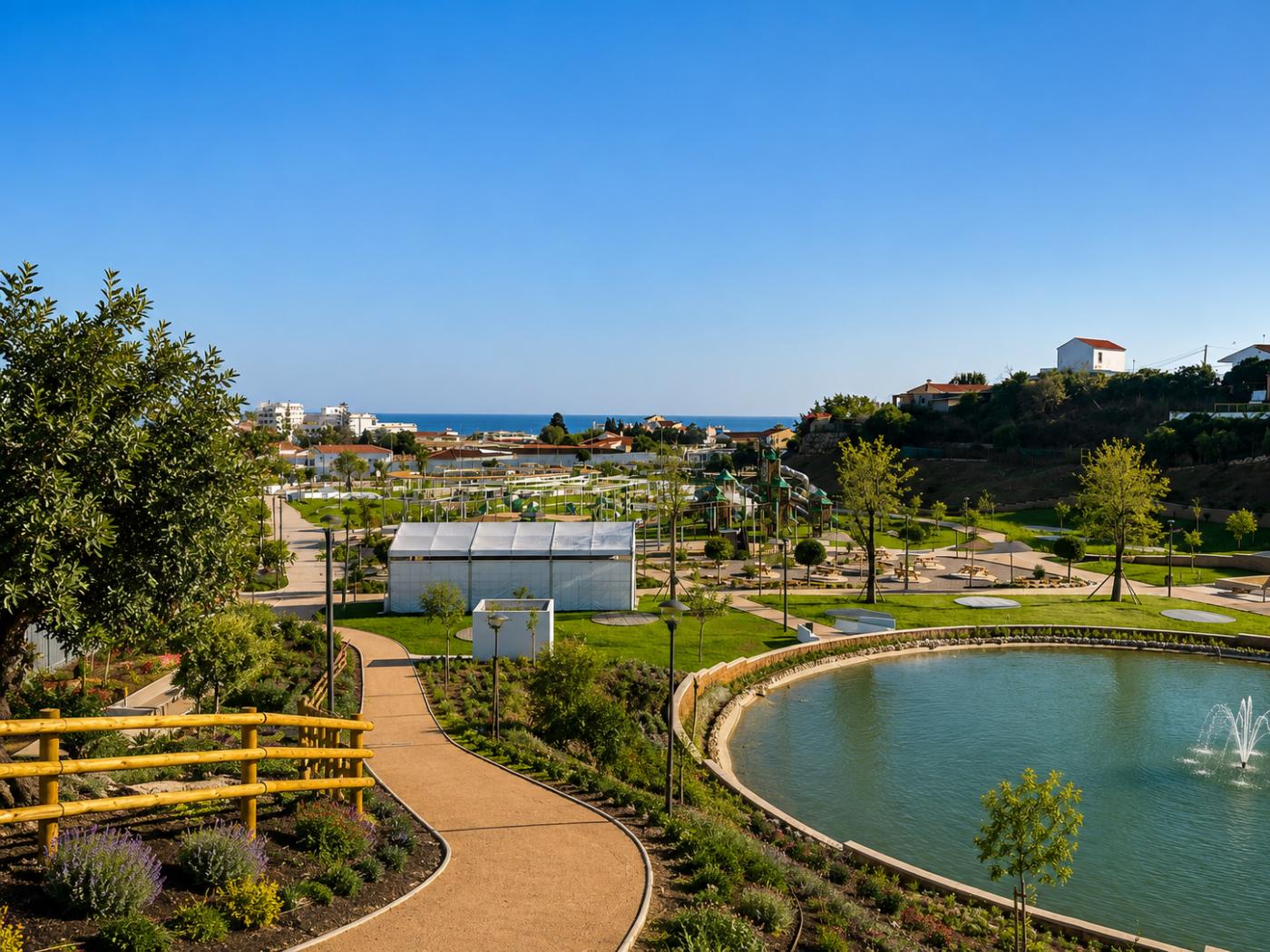
Rincón de la Victoria Opens a New Park Covering Almost 30,000 Square Metres
Rincón de la Victoria

Málaga’s Famous Sardine Skewers Drive Costa del Sol Beach Restaurants, but the Craft Faces a Shortage of Workers
Rincón de la Victoria

More Than 500 Rowers to Compete in Rincón de la Victoria’s Provincial Jábega League
Rincón de la Victoria