


The Jiménez Díaz Foundation successfully performs two mastectomy and axillary lymphadenectomy interventions using robotic surgery.
The use of this surgical platform significantly reduces postoperative pain and promotes a faster functional recovery.
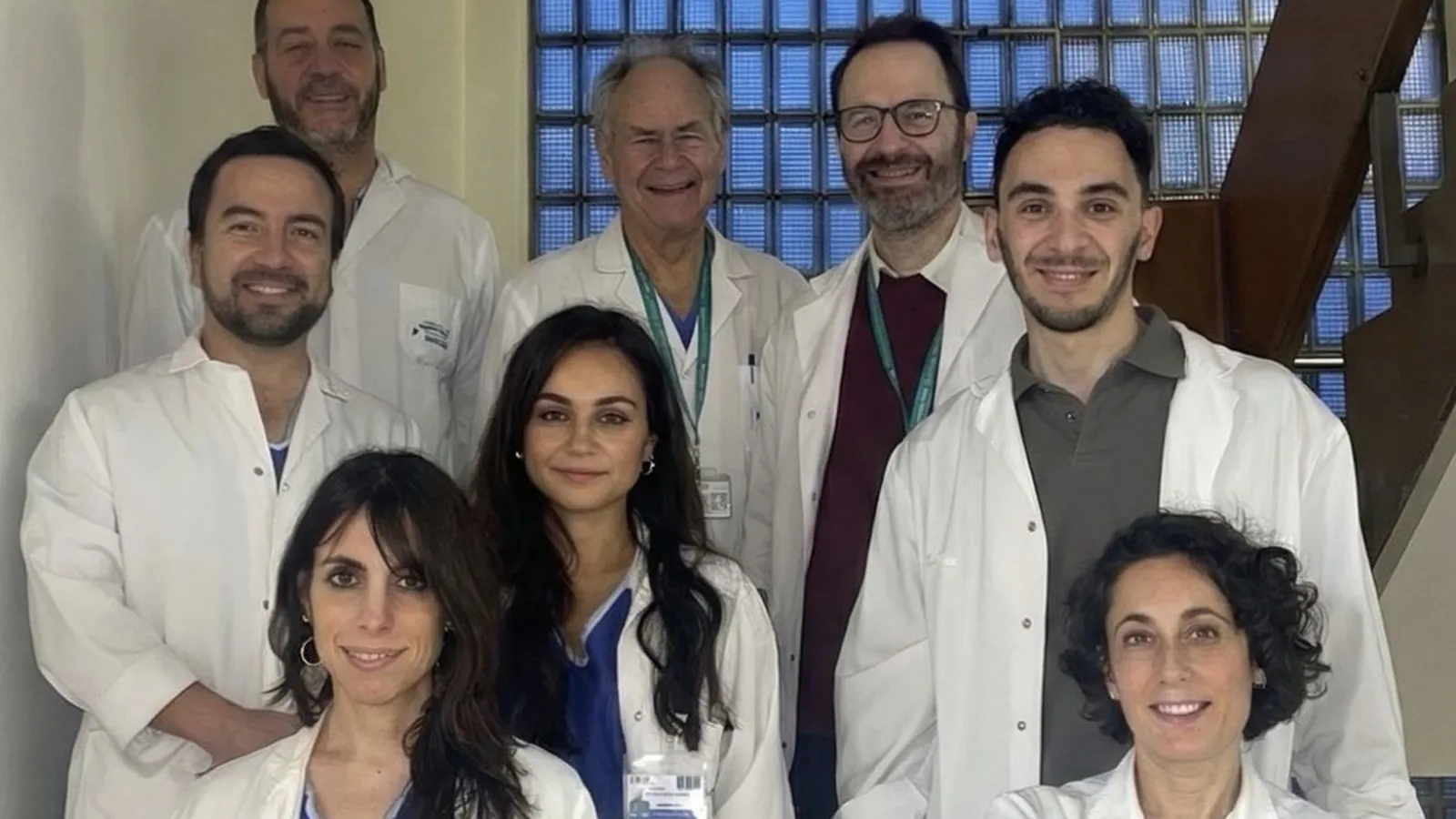

The Jiménez Díaz Foundation University Hospital has announced that it has taken a further step in its Robotic Surgery Program by successfully performing two interventions of mastectomy with skin preservation and nipple-areola complex, as well as an axillary lymphadenectomy, using one of the three Da Vinci robots available in its surgical unit.
"These procedures, carried out by professionals from the General Surgery and Digestive System Service of the Endocrine and Breast Surgery Unit of the Madrid center, represent a significant advancement, employing a pioneering approach that enhances surgical precision and reduces invasiveness in the procedures," it was noted.
“The implementation of robotic surgery has been a key step in the evolution of our surgical practice,” stated Dr. María Luisa Sánchez de Molina, coordinator of the Breast Section in the mentioned unit and one of the leaders of these interventions, indicating that “this technique allows for operations with millimetric precision, preserving delicate structures such as the nipple-areola complex and improving the aesthetics of the scars.” Additionally, she adds, "the use of this surgical platform significantly reduces postoperative pain and promotes a faster functional recovery, which directly impacts the quality of life of the patients.”
The Da Vinci robot offers a high-resolution three-dimensional vision, allowing the surgeon to operate with greater precision and control. This technology facilitates smaller incisions, minimizing tissue damage and speeding up recovery compared to conventional techniques. In the case of axillary lymphadenectomy, an improvement in mobility and preservation of sensitivity has also been observed, key factors for a quicker recovery.
Although robotic surgery in breast cancer is already used internationally, its widespread use in Spain remains limited. “These two interventions represent the first application in our center and one of the first in the country, consolidating our clinical and scientific experience in breast surgery, now also robotic,” states the surgeon, alongside whom also operated doctors Damián García Olmo, head of the Department of General Surgery and Digestive System; Héctor Guadalajara, head of the General Surgery and Digestive System Service; Miguel León, coordinator of Robotic Surgery in the same service; Pedro Villarejo, head of the Endocrine and Breast Surgery Unit; and Irene Osorio, Manuel Escanciano, and Paula Pastor, specialists in this unit.
The preliminary results are encouraging, the center indicates, as the patients were discharged within 24 hours, compared to the three to six days of hospital stay required for conventional interventions. Additionally, the scars were considerably smaller and aesthetically enhanced, which highlights the functional and psychological benefits of this approach.
“These advances will not only improve the quality of life of the patients but will also position robotic surgery as a viable and effective option in the treatment of breast cancer in Spain,” concludes Dr. Sánchez de Molina.

Latest news





Upcoming events
12
Nov
El Desembarco, la traición de Viriato at La Caja Blanca
12
Nov
HOMER El Mero Mero at Sala Trinchera Málaga
13
Nov
Marbella Startup Lab – Innovate & Collaborate
13
Nov
Candlelight: Coldplay & Imagine Dragons at Sala Fundación Unicaja María Cristina
13
Nov
Candlelight: Tribute to Ludovico Einaudi at Anantara Villa Padierna
Similar News

Marbella Launches ‘Summer Youth’ Programme with 2,500 Free Places
Marbella

Premium Tourism Drives Marbella’s Hotel Profitability to Record Levels as Overnight Stays Exceed 291,000
Marbella

‘Machos Alfa’ seeks extras in Marbella for filming of its sixth and final season
Marbella
