


Andalusia once again ranks among the leading communities in transplants
The national balance confirms the transformation of the donation model. 56% of deceased donors came from donation after cardiopulmonary arrest, a technically complex method.
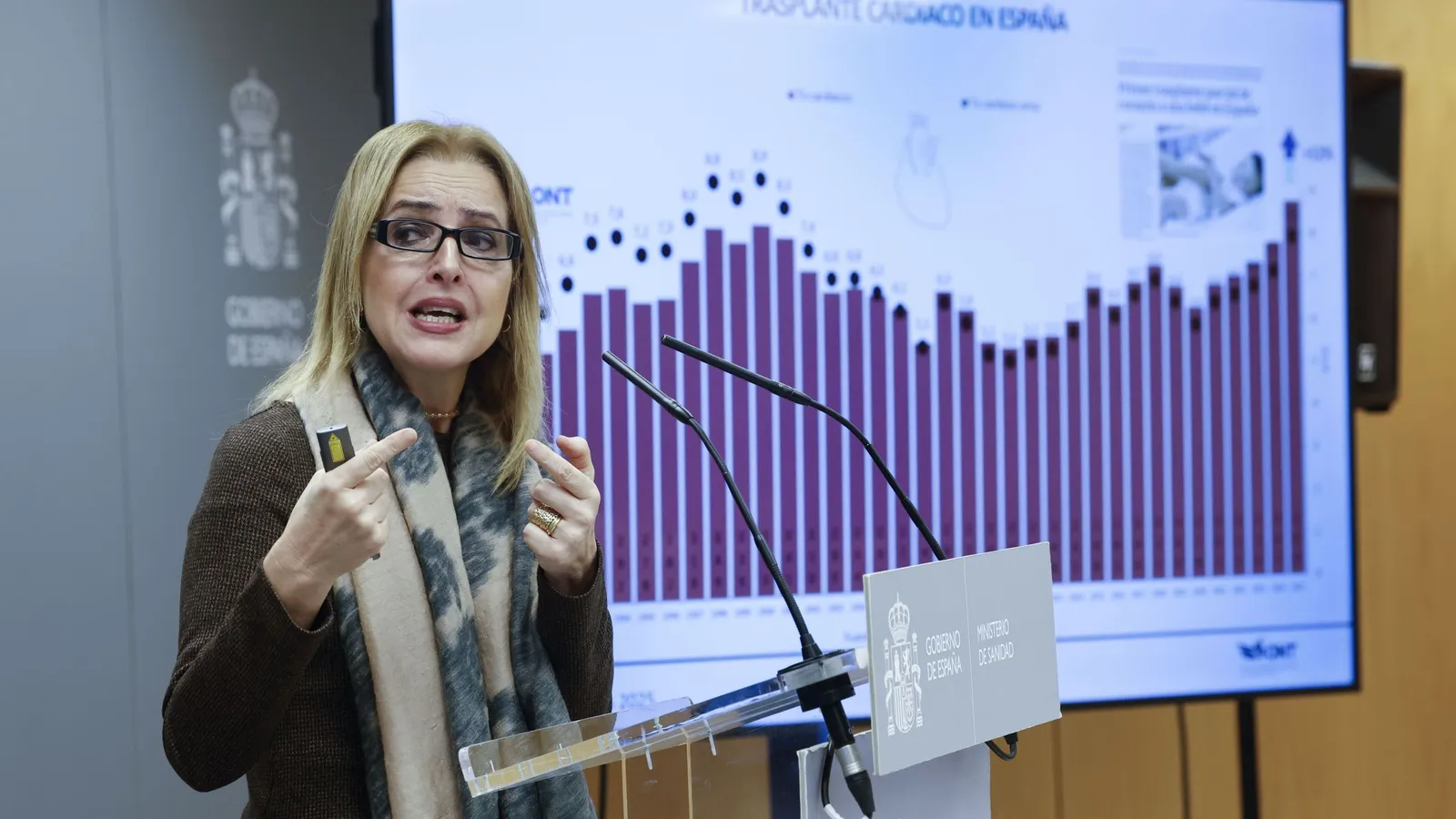

Spain closed 2025 reaffirming its position as an international benchmark in organ donation and transplantation, a leadership that has been maintained for over three decades. Last year, 6,335 transplants were performed, which represents a rate of 129 procedures per million population, a figure difficult to match in the international context. Behind this volume is a highly coordinated health network and a society that maintains exceptional levels of solidarity: 2,547 people donated organs after passing away, achieving a rate of 51.9 donors per million population, the highest in the world.
The national report also confirms a profound transformation of the donation model. More than half of the deceased donors, 56%, came from donation after circulatory death, that is, after cardiac arrest, a technically complex modality in which Spain is a world leader and which significantly expands the number of available organs. This advance has been key to sustaining transplant activity in a context of aging donors. Six out of ten were over 60 years old, and one in three was over 70. By type of transplant, the kidney continues to account for the majority of the activity, with 3,999 interventions, followed by the liver (1,276), lung (556), and heart (390). Particularly noteworthy is the growth of heart transplantation, which reached its historical maximum in 2025, partly driven by the expansion of donation after circulatory death in this area as well. Despite these results, more than 5,000 patients remained on the waiting list at the end of the year, underscoring the need to continue strengthening the system.
With 471 deceased donors in 2025, the Andalusian average exceeds the national trendIn this context of national excellence, Andalusia once again plays a prominent role. With 471 deceased donors in 2025, the community reached a rate of 54.4 donors per million population, clearly above the national average and positioning itself among the regions with the highest activity, particularly significant as it is one of the most populous regions in the country. Only communities with smaller demographic sizes, such as Cantabria or Navarra, significantly exceeded these figures.
Andalusia's influence is not limited to donation. Hospitals such as Virgen del Rocío in Seville, Reina Sofía in Córdoba, Regional in Málaga, Virgen de las Nieves in Granada, or Puerta del Mar in Cádiz, are among the centers with the highest transplant activity in the country, especially in kidney transplantation, which continues to be the main pillar of the system.
The balance of 2025 confirms, on one hand, the strength of the Spanish model, capable of maintaining record figures year after year. On the other hand, the structural role of Andalusia within that model, not only by volume, but also for its contribution to the cohesion of the national transplant system.

Latest news





Upcoming events
12
Nov
El Desembarco, la traición de Viriato at La Caja Blanca
12
Nov
HOMER El Mero Mero at Sala Trinchera Málaga
13
Nov
Marbella Startup Lab – Innovate & Collaborate
13
Nov
Candlelight: Coldplay & Imagine Dragons at Sala Fundación Unicaja María Cristina
13
Nov
Candlelight: Tribute to Ludovico Einaudi at Anantara Villa Padierna
Similar News

Marbella Launches ‘Summer Youth’ Programme with 2,500 Free Places
Marbella

Premium Tourism Drives Marbella’s Hotel Profitability to Record Levels as Overnight Stays Exceed 291,000
Marbella

‘Machos Alfa’ seeks extras in Marbella for filming of its sixth and final season
Marbella
