


The pneumococcal vaccine, a vital and underutilized resource
Researchers from Granada warn that almost 60% of severely ill hospitalized patients were not vaccinated, despite the fact that immunization drastically reduces the risk of dying in the hospital.
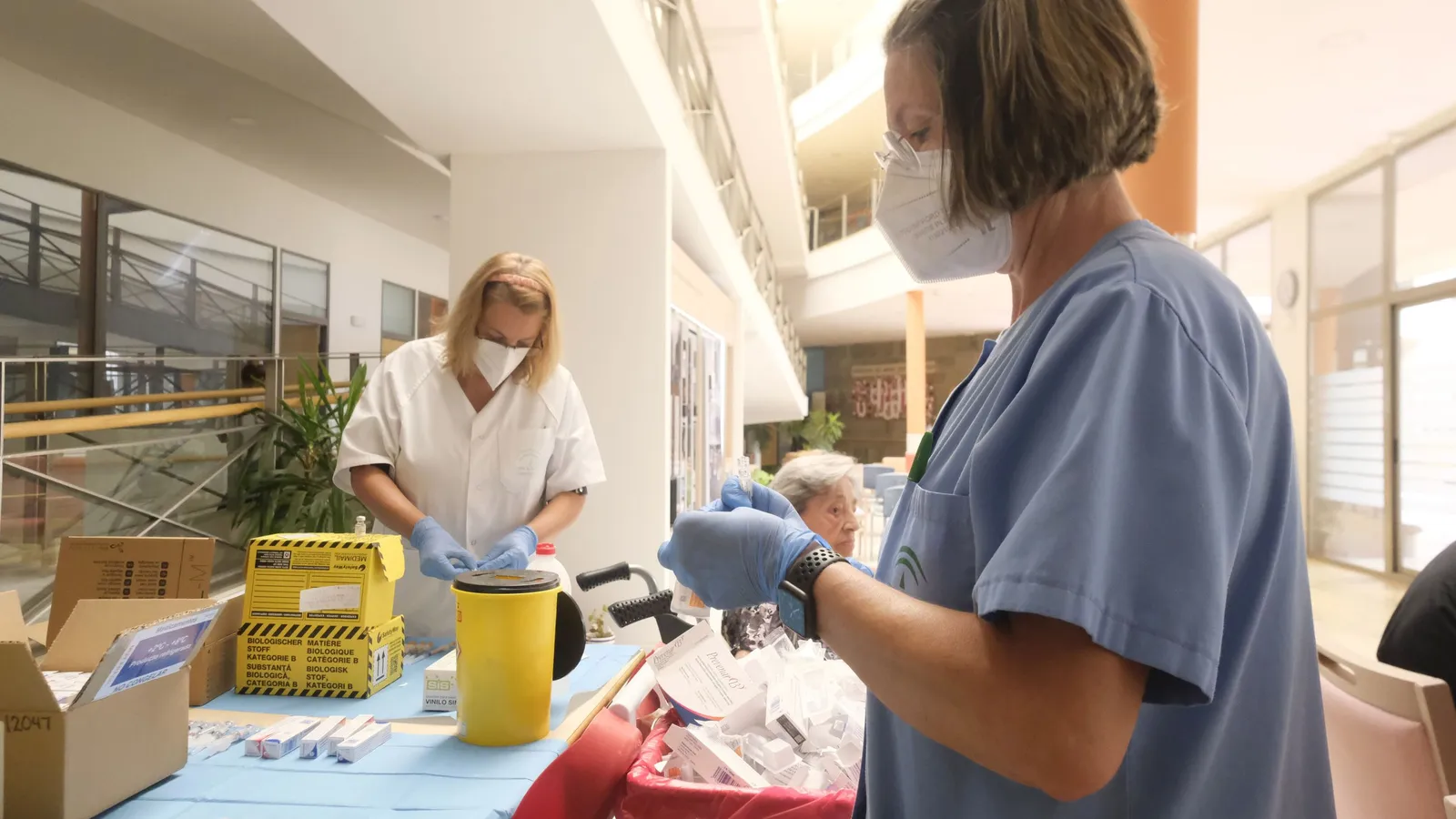

Invasive Pneumococcal Disease (IPD) remains a public health challenge in Andalusia. Caused by Streptococcus pneumoniae (pneumococcus), it can lead to severe conditions such as pneumonia, meningitis, or sepsis. A study conducted over nine years at the two major hospitals in Granada (San Cecilio University Hospital and Virgen de las Nieves) draws a clear conclusion: vaccines save lives, but are not reaching everyone who needs them.
The study, published in Infectious Diseases Now, analyzed 188 patients, with an average age of 64 years, admitted for IPD between 2015 and 2024. The results reveal a paradox: although the pneumococcal vaccine was indicated for over 90% due to age or previous pathologies, 58.6% had not received any doses.
The most significant finding by the team led by Dr. Elvira Marín-Caba and professor José Juan Jiménez-Moleón, from the Department of Preventive Medicine and Public Health at the Faculty of Medicine, University of Granada, is not only who gets infected, but who survives. Prior vaccination acts as a protective factor: even if a vaccinated person contracts the bacteria, their chances of dying during hospitalization are lower. Being unvaccinated was associated with more than double the risk of in-hospital mortality compared to those who were immunized.
About 70% of the cases were attributed to serotypes included in the available vaccinesIn the Granada cohort, in-hospital mortality was 14.4% (27 deaths). The most significant factors were advanced age, living in healthcare facilities or nursing homes (LTCF), and arriving at the hospital in a critical condition, such as septic shock. In the survival analysis, living in a nursing home was associated with a higher risk of death, and septic shock and admission to the ICU reinforced this pattern of clinical severity.
IPD is not a single disease: its behavior largely depends on the serotype. In Granada, 29 serotypes were identified; the most frequent were 8, 3, 22F, 9N, and 11A. The researchers add another important warning: more than 30% of the cases were attributed to serotypes not included in the vaccines used in Spain during the study period.
In Andalusia, adult pneumococcal vaccination is supported by recommendations for at-risk populations and vulnerable settings. The community adopted the 20-valent conjugate vaccine (PCV20) as a recommended option for at-risk adults in 2023, according to Andavac guidelines. If the risk escalates in nursing homes and among people with dependencies, vaccination moves beyond being a mere individual advice and becomes a structural public health measure. Indeed, the study suggests leveraging the momentum of campaigns with high coverage, such as the joint vaccination against flu and Covid-19, to strengthen other immunizations in risk groups. "Immunization strategies must be optimized to reduce mortality," conclude the authors.

Latest news





Upcoming events
12
Nov
El Desembarco, la traición de Viriato at La Caja Blanca
12
Nov
HOMER El Mero Mero at Sala Trinchera Málaga
13
Nov
Marbella Startup Lab – Innovate & Collaborate
13
Nov
Candlelight: Coldplay & Imagine Dragons at Sala Fundación Unicaja María Cristina
13
Nov
Candlelight: Tribute to Ludovico Einaudi at Anantara Villa Padierna
Similar News

Marbella Launches ‘Summer Youth’ Programme with 2,500 Free Places
Marbella

Premium Tourism Drives Marbella’s Hotel Profitability to Record Levels as Overnight Stays Exceed 291,000
Marbella

‘Machos Alfa’ seeks extras in Marbella for filming of its sixth and final season
Marbella
