Costa del Sol News
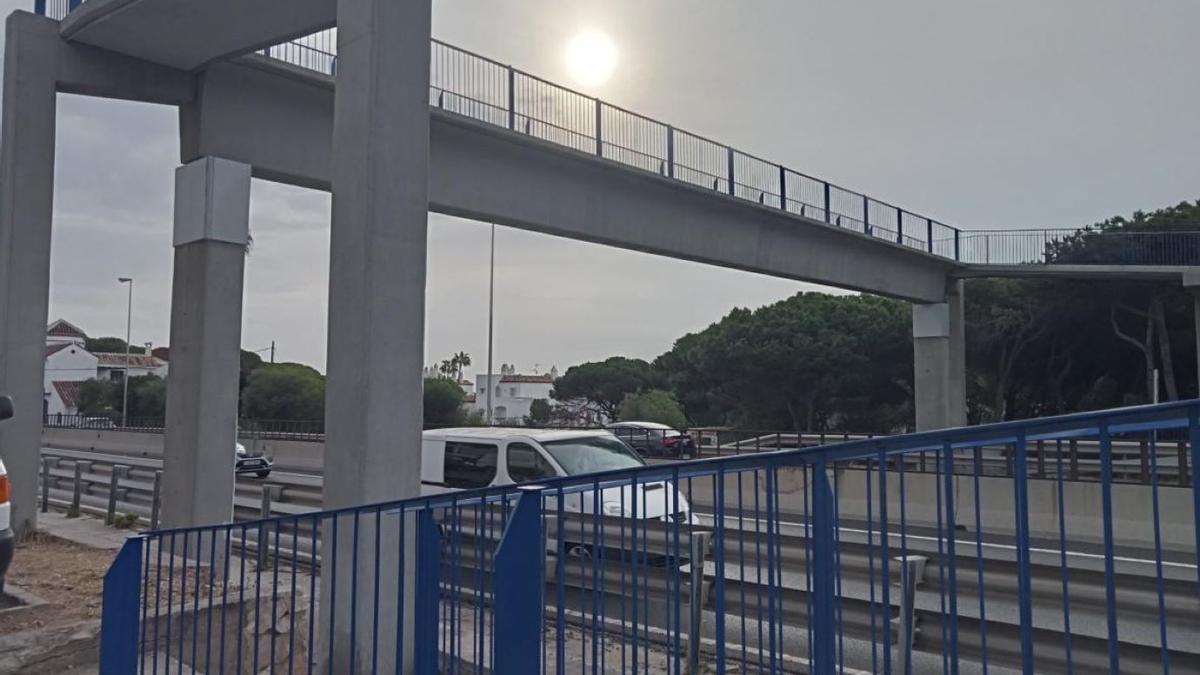
The Ministry of Transport and Sustainable Mobility has completed the repair works on 12 pedestrian bridges crossing the A-7 highway on the Costa del Sol, located between the municipalities of Estepona and Mijas, from kilometer 1067 to 1026. These actions—in this 39-kilometer stretch—have involved an investment of 1.9 million euros in the coastal highway with the aim of "enhancing the safety and comfort of pedestrian movements, in this case over the Mediterranean highway." "The renovation of these bridges ensures safer, more accessible, and longer-lasting transit for residents, facilitating their daily mobility and improving the integration of residential and coastal areas," added the ministry of Óscar Puente in a statement. This is an intervention financed by the NextGenerationEU funds within the framework of the Recovery, Transformation, and Resilience Plan (PRTR). All the bridges consist of two access ramps and the main span that crosses the highway, except for the one located at kilometer 1061.230, which also has two access stairs.
The repair focused mainly on improving their durability conditions, worsened by being located in a marine environment. The main works carried out were repair actions on railings, ranging from replacement in the most severe cases to sanding and painting in the milder cases; and also actions on metal elements through cleaning with high-pressure water and subsequent painting. Repair actions on reinforced concrete elements, including in cases with exposed rebar, a cleaning, passivation of the rebars, and restoration of the section using mortar.
Additionally, the Ministry of Transport stated in its announcement that other preventive actions have been carried out to improve the durability of these pedestrian crossings. For example, on the concrete surfaces, treatments with corrosion inhibitors, waterproof coatings, or anti-carbonation paints have been applied.
Expansion joints have also been executed between the main span and the access ramps to allow movements due to temperature changes and deformations, maintaining a surface as continuous as possible for pedestrian transit. Water deflectors have also been placed on the underside of the deck to prevent water from running down the underside of the deck or the elevation of the structure.