


This is the most beautiful village in Málaga for 2026: “Steep narrow streets, passageways, and whitewashed houses”
Frigiliana is once again the favorite village of Málaga for Viajar magazine, perfect for the upcoming year. These were the most searched restaurants in Málaga in 2025: sushi, pizzerias, and even a bakery.
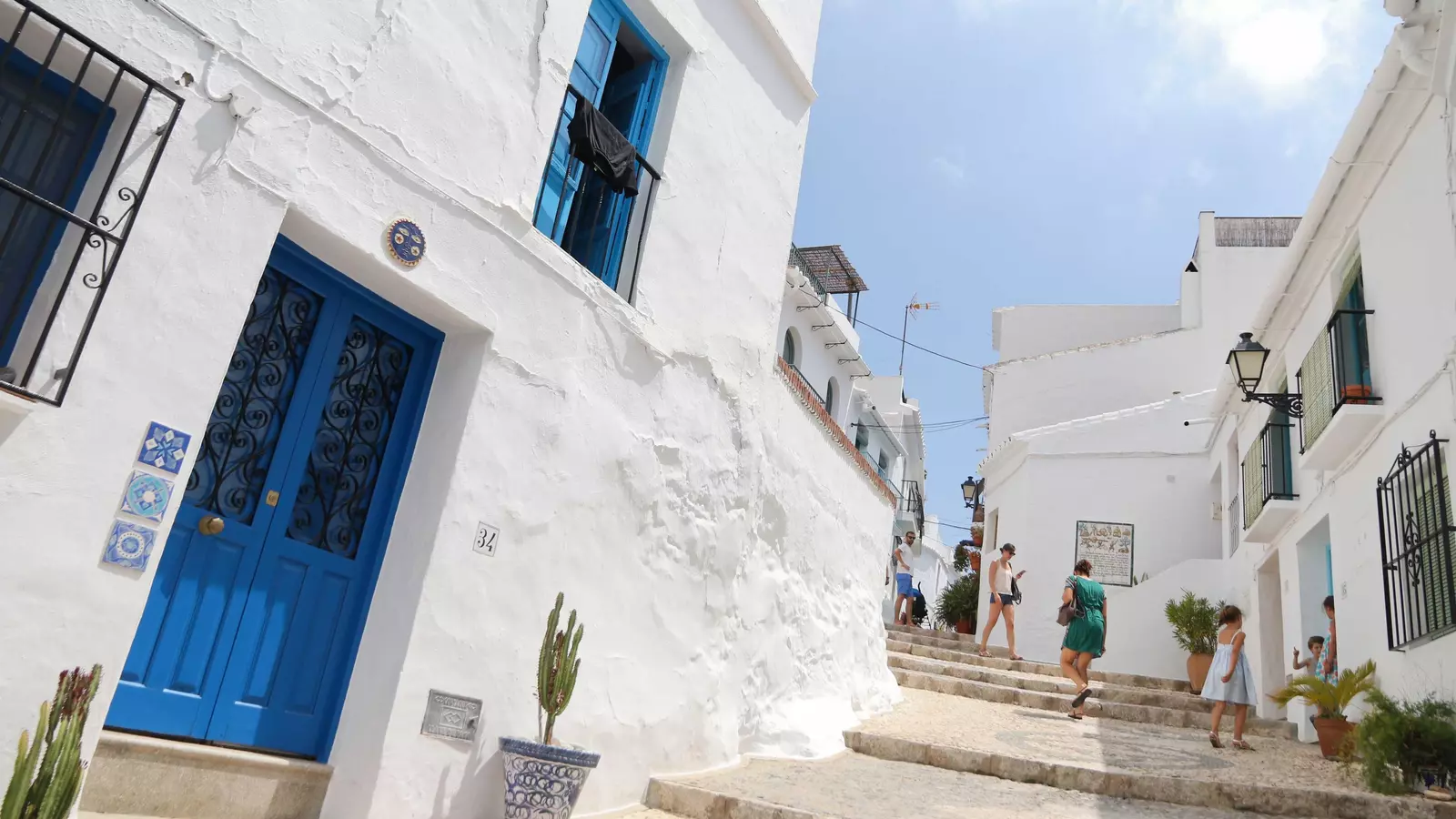

As 2025 approaches its midpoint, the magazine Viajar has once again published one of its most anticipated contents: the annual map of the most beautiful villages in Spain, selected province by province. A list that usually sets trends in rural and cultural tourism and that, in the case of Málaga, leaves little room for surprise. For the second consecutive year, Frigiliana reaffirms its title as the most beautiful village in the province, consolidating a position it has been earning both inside and outside of Andalucía.
The specialized publication highlights that Frigiliana is "a stone's throw from the Costa del Sol, in the heart of the Axarquía, on a hillside of the Almijara, Tejeda, and Alhama ranges," they describe the uniqueness of this municipality with "a very present Moorish past: the steep narrow streets, the passageways, and the whitewashed houses make up the best-preserved Arab-origin architectural ensemble in the province."
"The streets form a white labyrinth leading to jewels such as the Renaissance church of San Antonio (17th century), the hermitage of Santo Cristo de la Caña (18th century) or the Renaissance mansion Palacio de los Condes de Frigiliana, known as El Ingenio," they highlight about its historic center, one of its great values. Undoubtedly, Frigiliana has been considered on numerous occasions as one of the most beautiful in Spain, and for Viajar, its well-kept appearance and historical heritage explain why it remains a reference among the white villages of the province.
A Moorish past that defines its identity
The history of Frigiliana is deeply linked to its Moorish past, a legacy that remains present both in the structure of the village and in its cultural identity. The irregular layout of the streets, the constant unevenness, and the adaptation of the houses to the terrain respond to this historical origin, which today is perceived as one of its greatest heritage attractions.
This legacy is especially highlighted during the Festival of the Three Cultures, one of the most representative celebrations of the municipality. It commemorates the historical coexistence of the Arab, Christian, and Jewish cultures, a feature that is part of the cultural narrative that has placed Frigiliana on the national tourist map.
What to see in Frigiliana
Beyond its picturesque image, Frigiliana houses a heritage ensemble that reinforces its historical value. One of the most notable buildings is the Palacio de los Condes de Frigiliana, a Renaissance construction from the 16th century that is well-preserved and represents one of the most important architectural pieces of the municipality.
Another unique site is the Torreón, an old granary with more than three centuries of history that offers a glimpse into the daily life of other eras. These spaces are complemented by the church and the old fountain, elements that complete a journey through the local past and reflect the essence of Frigilian tradition.
Somewhat apart from the urban core are the remains of the Castle of Frigiliana, an elevated point from which some of the broadest views of the region can be obtained. From there, the landscape combines history and nature, reinforcing the connection between the defensive heritage and the surrounding environment.
The list of the most beautiful villages in each province of Spain
In the map prepared by Viajar, Frigiliana shares prominence with other notable municipalities from Andalucía and the rest of the country. In the Andalusian community, El Rocío (Huelva), Santiponce (Seville), Zuheros (Córdoba), La Iruela (Jaén), Agua Amarga (Almería), Montefrío (Granada), and Zahara de la Sierra (Cádiz) appear.
- Álava: Urturi
- Albacete: Alcalá del Jucar
- Alicante: Benissa
- Almería: Agua Amarga
- Asturias: Cudillero
- Ávila: Barco de Ávila
- Badajoz: Zafra
- Barcelona: Rupit i Pruit
- Burgos: Orbaneja del Castillo
- Cáceres: Trujillo
- Cádiz: Zahara de la Sierra
- Cantabria: Comillas
- Castellón: Morella
- Ciudad Real: Almargo
- Córdoba: Zuheros
- A Coruña: Noia
- Cuenca: Mota del Cuervo
- Girona: Pals
- Granada: Montefrío
- Guadalajara: Brihuega
- Gipuzkoa: Getaria
- Huelva: El Rocío
- Huesca: Torla-Ordesa
- Illes Balears: Sóller
- Jaén: La Iruela
- León: Astorga
- Lleida: Guimerà
- Lugo: A Seara
- Madrid: Nuevo Baztán
- Málaga: Frigiliana
- Murcia: Calasparra
- Navarra: Olite
- Ourense: Ribadavia
- Palencia: Villalcázar de Sirga
- Las Palmas: Teror
- Pontevedra: Baiona
- La Rioja: Ezcaray
- Salamanca: Ciudad Rodrigo
- Santa Cruz de Tenerife: Masca
- Segovia: Madriguera
- Sevilla: Santiponce
- Soria: Caracena
- Tarragona: Horta de Sant Joan
- Teruel: Cantavieja
- Toledo: Yepes
- Valencia: Sagunto
- Valladolid: Wamba
- Vizcaya: Ea
- Zamora: Granja de Moreruela
- Zaragoza: Anento
In bold, the village from Málaga chosen for this list.

Latest news





Upcoming events
12
Nov
El Desembarco, la traición de Viriato at La Caja Blanca
12
Nov
HOMER El Mero Mero at Sala Trinchera Málaga
13
Nov
Marbella Startup Lab – Innovate & Collaborate
13
Nov
Candlelight: Coldplay & Imagine Dragons at Sala Fundación Unicaja María Cristina
13
Nov
Candlelight: Tribute to Ludovico Einaudi at Anantara Villa Padierna
Similar News

Málaga Airport Makes History with More Than Three Million Passengers in One Month
Málaga

Port of Málaga looks beyond its docks to support future growth
Málaga

Guide to the Virgen del Carmen Processions in Málaga and the Province
Málaga
