


Why are the residents of this town in Málaga known as 'panochos'?
The village of Istán has a curious history behind its unique demonym: panochos and panochas. This village in Málaga is considered 'the spring of the Costa del Sol'.
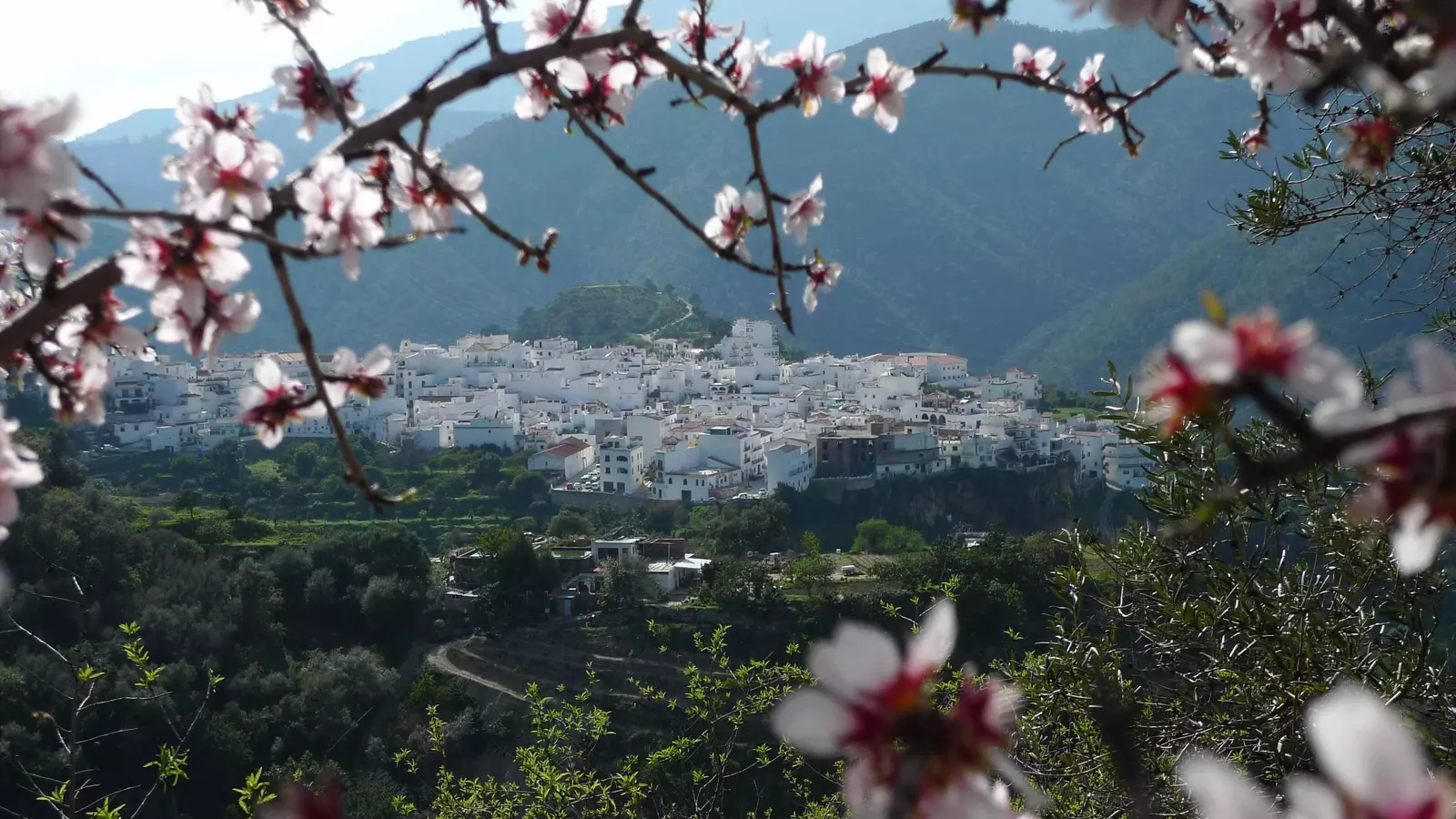

Demonymns not only serve to identify the inhabitants of a place, but often encapsulate centuries of history and curious anecdotes about the past of a town. In Málaga, one of the most unique demonyms is that of the inhabitants of Istán, known as panochos. But where does this term come from and why are they called that? Let's find out.
Istán is located in the heart of the Sierra de las Nieves, a place of great importance during the Muslim era due to its altitude. Its strategic location and fertile lands made it a prosperous place, inhabited mostly by Moriscos, descendants of Muslims who remained on the Peninsula after the Christian conquest.
However, the history of Istán changed drastically in the 16th century. In 1568, the Morisco rebellion spread through various parts of the Kingdom of Granada, and the population of Istán played a prominent role in the conflict. Led by Melchí, the Moriscos of Istán offered strong resistance at the Arboto fort (Plaza de Armas). For hours, they fought against the troops of the Duke of Arcos, sent by Philip II to suppress the revolt. Eventually, the fort was taken, but the men of the town managed to disperse into the mountains and the Verde River to avoid capture. As a reprisal, Philip II decreed the expulsion of the Moriscos from Istán, leaving the town nearly deserted. To prevent its abandonment, the lands and homes were offered to new settlers from different regions of Spain. This is where the story of the panochos begins.
The arrival of Murcians and the origin of the demonym
Among the new settlers who arrived in Istán after the expulsion of the Moriscos, a prominent group came from the Murcian orchard. These colonists brought with them their customs, their cuisine, and their particular way of speaking, the panocho, a Murcian dialect characterized by expressions and terms unique to that region, as detailed by the Istán City Council on its website.
Over time, the presence of these Murcians influenced the identity of the town to the point that its inhabitants began to be known by the nickname panochos. Although the panocho dialect is no longer preserved in Istán as a spoken language, the demonym has endured over the centuries and continues to be the term by which the residents of the municipality are identified... they even have a Malagueña panocha in their honor!
Istán, the "Spring of the Costa del Sol"
Beyond its history and its peculiar demonym, Istán is a town with a unique charm. Its cobblestone streets, its traditional fountains and washhouses, and its natural surroundings make it an ideal destination for those seeking an authentic corner of the province of Málaga. Known as the Spring of the Costa del Sol, water is an omnipresent element in its landscape, with Moorish irrigation channels and trails leading to the Verde River and the Concepción Reservoir.
The historical legacy of Istán, from its Morisco past to the arrival of the Murcian repopulators, has left an indelible mark on the identity of the town. And although the panocho is no longer spoken in its streets, the name by which its inhabitants are known still recalls that curious connection between Istán and the Murcian orchard.

Latest news





Upcoming events
12
Nov
El Desembarco, la traición de Viriato at La Caja Blanca
12
Nov
HOMER El Mero Mero at Sala Trinchera Málaga
13
Nov
Marbella Startup Lab – Innovate & Collaborate
13
Nov
Candlelight: Coldplay & Imagine Dragons at Sala Fundación Unicaja María Cristina
13
Nov
Candlelight: Tribute to Ludovico Einaudi at Anantara Villa Padierna
Similar News

Málaga Airport Makes History with More Than Three Million Passengers in One Month
Málaga

Port of Málaga looks beyond its docks to support future growth
Málaga

Guide to the Virgen del Carmen Processions in Málaga and the Province
Málaga
