


The town of Málaga that has become fashionable in December: small, magical, and with incredible views
Casarabonela, one of Spain's new "Pueblos Mágicos", captivates both travelers and locals. White streets, Arab history, and a unique cactus garden in Europe. Architectural heritage...
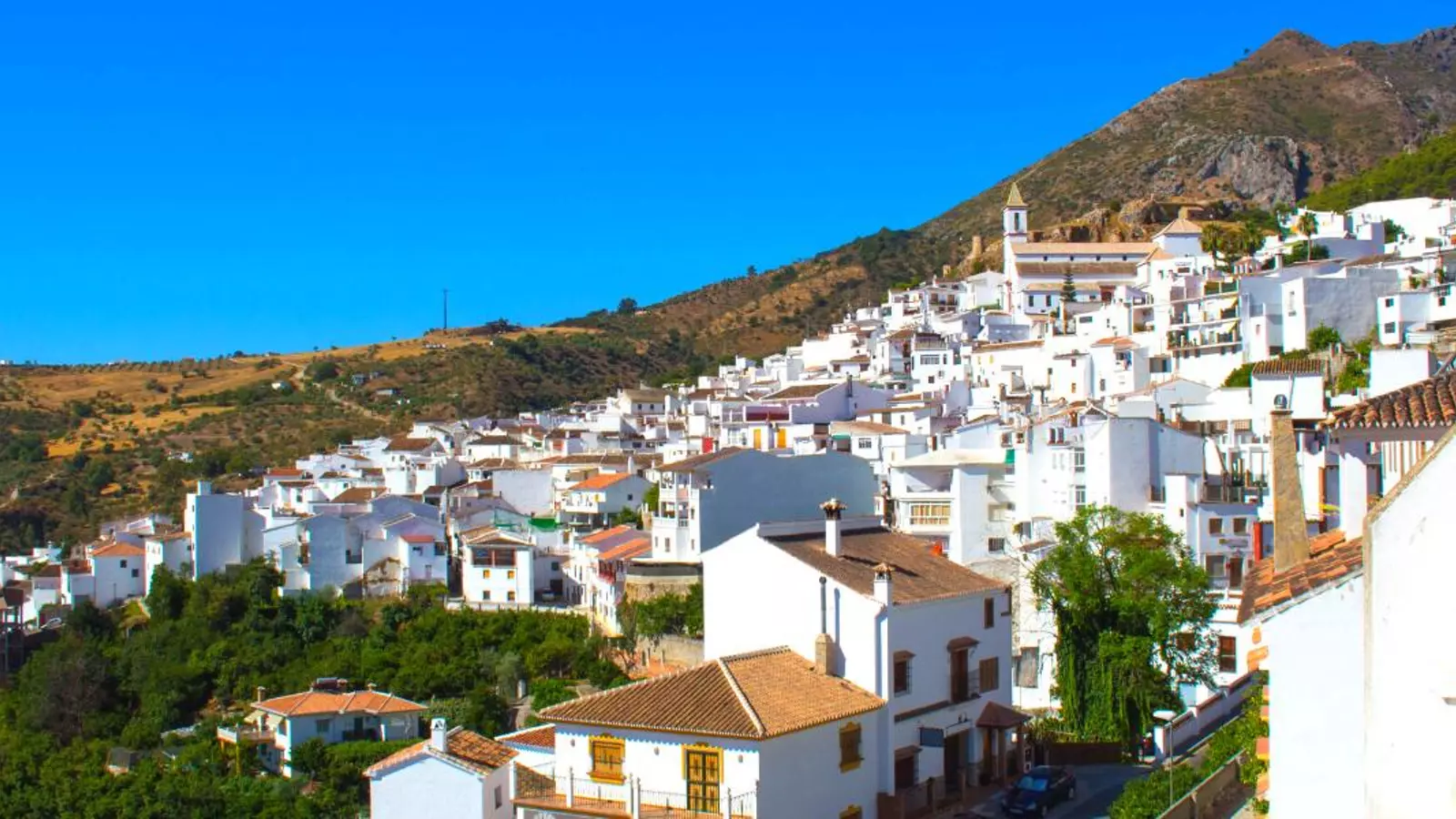

Casarabonela has become one of the prominent names this December in the province of Málaga. The most intriguing village at this time is this small enclave in the Sierra de las Nieves, recognized as a Magical Village of Spain. Its location sheltered by the Sierra Prieta, its historical heritage, and its exceptional views of the Guadalhorce Valley place it among the most unique destinations of the Málaga winter.
With just 2,500 inhabitants, Casarabonela retains the tranquility of inland villages and a charm that unfolds in each of its corners. From its white Moorish heritage houses to the orchards at its feet, the town maintains a balance between tradition, nature, and culture. Its position at the entrance of the Sierra de las Nieves National Park grants it a privileged natural environment where species such as the Spanish fir and the ibex thrive, along with views that intensify during autumn and winter.
The layout of its urban fabric recalls the original Arabic design, with narrow streets, fountains, and small squares forming an almost intact ensemble. Roman, medieval, and Christian influences are evident in its architecture, which combines various styles and eras.
Historical Heritage: Castle, Hermitages, and Traces of Ancient Civilizations
The history of Casarabonela is strongly evident in its monumental heritage. Its most prominent icon is the Arabic Castle, declared a Site of Cultural Interest and located at the highest point of the municipality. Originally Roman and expanded during the Muslim period, the fortress has preserved parts of its walls and towers, and today also serves as a viewpoint overlooking the mountains and the vast valley.
The town also preserves archaeological sites of great interest, such as the Los Villares and Taivilla sites, from Roman and medieval times. The urban center houses some of the most representative spaces of the town's life, including the Plaza de Buenavista, known as "Los Poyos," renowned for its impressive views.
Another fundamental building is the Church of Santiago Apóstol, built in the 16th century on the site of the former main mosque. Its late Gothic style transitioning to the Renaissance and its marked Mudejar character give it great artistic value. Inside, it houses a Baroque chapel, two crypts, and a collection of silverware displayed in the Museum of Sacred Art. The Hermitage of the Veracruz, with a spectacular Mudejar facade and the shrine of the Virgin of the Rondeles, and the Molino Albaiva, an ancient hydraulic complex used for milling grain and oil, complete a remarkable heritage that reflects centuries of history.
Nature, Hiking, and Unique Spaces
Casarabonela also stands out for its natural character. As a gateway to the Sierra de las Nieves National Park, it has established itself as a starting point for routes exploring the Málaga mountain. Among them, the route of Puerto de la Jácara stands out, particularly striking in winter due to the contrast of colors that dress the landscape during this season, or the one leading to the Llano Cristóbal, ideal for family outings.
One of the most unique spaces in the municipality is the Mora i Bravard Cactus and Succulent Botanical Garden, considered a European reference. With more than 11,000 specimens from 2,200 species, the garden is a prominent center for conservation and dissemination, recognized as a Heritage of Nature and Culture.
At the foot of the Arab fortress is the Andalusian Garden, a space that recreates the vegetation and design of oriental gardens with species such as orange trees, pomegranates, cypresses, or rose bushes, creating an area full of nuances and historical evocations.
Cultural Identity and a Very Unique Festive Calendar
Casarabonela keeps alive traditions that form part of its identity. Its calendar includes events as diverse as the May Crosses, the Moorish Historical Recreation, the Cactus and Succulent Fair, or the Festival of the Virgin of the Rondeles. The latter, along with its particular representation of the Passion during Holy Week, constitutes one of the most distinctive traits of the municipality.
The Arrabal neighborhood, with streets like Baluarte, Muro, or Subida del Muro, preserves the Islamic urban layout that surrounded the old citadel. This historic sector is one of the settings where the Moorish legacy and the subsequent evolution of the town are best appreciated.
Local Cuisine and a December with Its Own Flavor
The traditional cuisine of Casarabonela is part of its appeal. Dishes such as pipeo, made with broad beans, peas, potatoes, and ham, represent the essence of its recipe book. In its restaurants, home cooking is combined with local products, in an atmosphere that forms part of the experience of the town. On Friday 26th and Saturday 27th December, the town also celebrates the Ruta de la Tapa El Rondel, a gastronomic proposal that highlights its culinary identity.
A Village That Summarizes the Essence of the Sierra de las Nieves
Casarabonela, small, white, and perched on the slope of the Sierra Prieta, gathers in a small space an exceptional heritage, lush nature, and a cultural offering rooted in tradition. Its designation as a Magical Village of Spain confirms its uniqueness and positions it as one of the reference enclaves this December in the province of Málaga.

Latest news





Upcoming events
12
Nov
El Desembarco, la traición de Viriato at La Caja Blanca
12
Nov
HOMER El Mero Mero at Sala Trinchera Málaga
13
Nov
Marbella Startup Lab – Innovate & Collaborate
13
Nov
Candlelight: Coldplay & Imagine Dragons at Sala Fundación Unicaja María Cristina
13
Nov
Candlelight: Tribute to Ludovico Einaudi at Anantara Villa Padierna
Similar News

Málaga Airport Makes History with More Than Three Million Passengers in One Month
Málaga

Port of Málaga looks beyond its docks to support future growth
Málaga

Guide to the Virgen del Carmen Processions in Málaga and the Province
Málaga
