


Paintings by Juan de Borgoña, hidden behind a cabinet for centuries, appear in the Toledo Cathedral.
The oil murals on plaster were made in 1511.


It is common for archaeological remains to be found when carrying out works on buildings in the historic district of Toledo. What is less common is discovering 16th-century paintings when dismantling a wardrobe. This is what has happened in the Toledo Cathedral, where paintings by Juan de Borgoña (1494-1536) were found behind a wardrobe in the chapter house anteroom that had not been touched in the last 250 years.
The discoveries are mural oil paintings on plaster that Juan de Borgoña created in 1511. They were revealed thanks to the restoration currently being carried out in the chapter house anteroom of the temple. It is known that Juan de Borgoña was assisted by his helpers Diego López, Luis de Medina, and Alfonso Sánchez, and that the paintings were hidden in 1780 behind two 16th-century wardrobes used to store the minutes of the meetings of the Cathedral Chapter.
When one of these two pieces of furniture was moved, the paintings were uncovered, consisting of three scenes framed by pilasters and a baseboard. In the central scene, the coat of arms of Cardinal Cisneros is visible in the shape of a horse's head surrounded by two cornucopias of abundance and two vases on either side, one with carnations and the other with lilies. Above them, a laurel crown, the cardinal's hat, and the cords with fifteen tassels held by two cherubs. On both sides, two scenes of vases with fruit trees supported by three figures of children.
More hidden works
This is not the first time a work by Juan de Borgoña has been discovered after being hidden for centuries. In 2022, the restoration of a Baroque altarpiece in the parish of the small town of Alcaraz (Albacete), with 1,300 inhabitants, revealed that beneath the plaster were preserved eight panels by Juan de Borgoña, the painter who introduced the Italian "Quattrocento" to Castile, thus initiating the Renaissance in Spain, and who died in Toledo in 1536, a city where he lived for many years and where he left much of his work, although he also worked in other cities such as Cuenca, Madrid, Guadalajara, and Salamanca.
Session limit reached
Access to Premium content is open courtesy of the establishment where you are, but currently, there are too many users connected at the same time.
Please try again in a few minutes.
Session closed
When logging in from a different device, for security, the last session on this one was closed.
To continue enjoying your digital subscription, please log in on this device.
Log in More informationAlready a subscriber? Log in

Latest news





Upcoming events
12
Nov
El Desembarco, la traición de Viriato at La Caja Blanca
12
Nov
HOMER El Mero Mero at Sala Trinchera Málaga
13
Nov
Marbella Startup Lab – Innovate & Collaborate
13
Nov
Candlelight: Coldplay & Imagine Dragons at Sala Fundación Unicaja María Cristina
13
Nov
Candlelight: Tribute to Ludovico Einaudi at Anantara Villa Padierna
Similar News
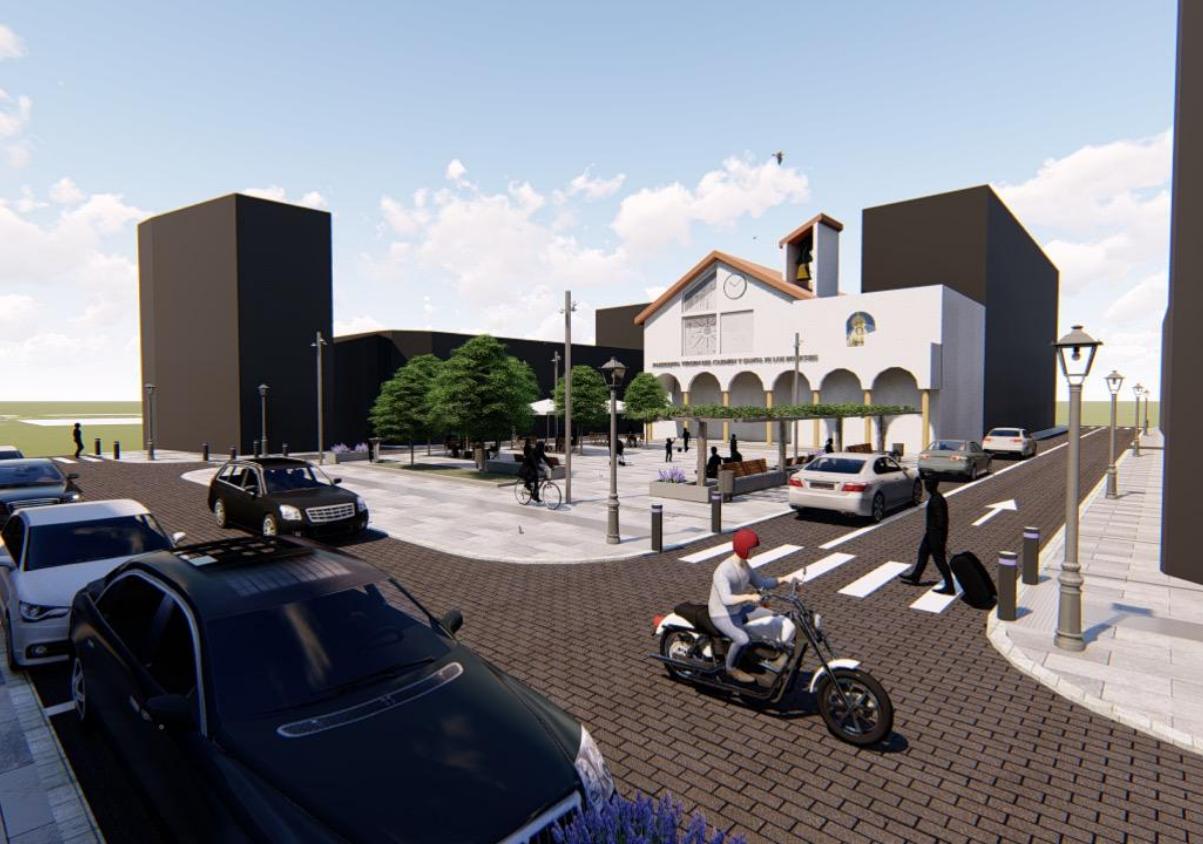
Los Boliches’ Plaza del Carmen is set for a major makeover: more accessible, more shade and no central fountain
Málaga


"Two Birds with One Stone": The Best Tribute to Joan Manuel Serrat and Joaquín Sabina Arrives in Málaga
Málaga
