


Why is the Malaga Cathedral known as 'La Manquita'?
The Story Behind the Tower That Was Never Built and Turned the Cathedral into a City SymbolA Jewel of Andalusian Renaissance That Captivated the People of Malaga with Its Beauty... and Its ImperfectionFrom Ambitious Project to Emblem
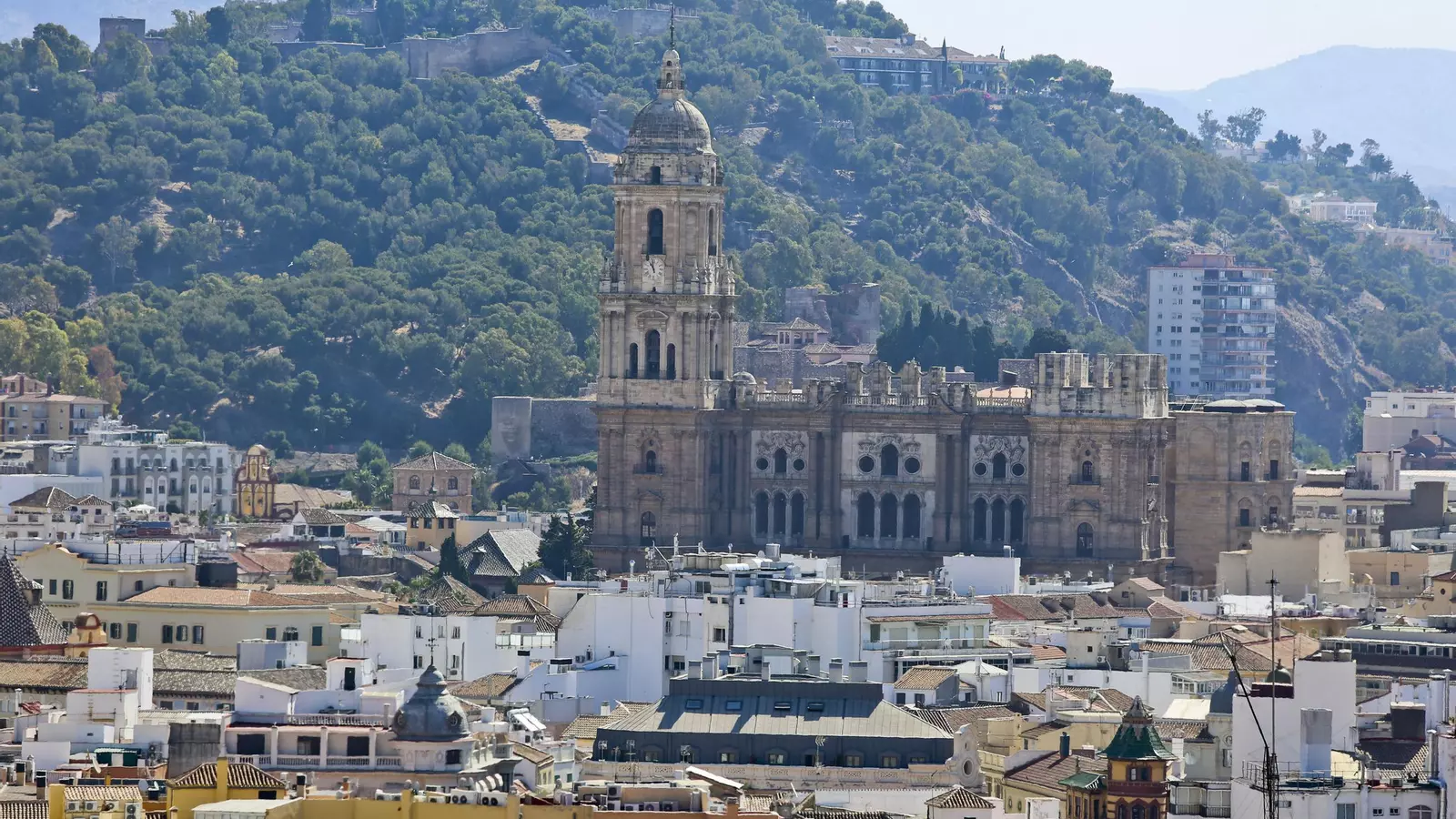

The Cathedral of Málaga, officially known as the Holy Church Cathedral Basilica of the Incarnation, is one of the most emblematic monuments of the capital of the Costa del Sol. Its silhouette dominates the historic center, and its history is deeply linked to the city's evolution since the Reconquista. However, few buildings symbolize the mix of history, art, and popular curiosity as well as this cathedral, affectionately known by the locals as La Manquita.
The cathedral's origin dates back to 1487, the year the Catholic Monarchs conquered Málaga. After the city's capture, the monarchs ordered the construction of a Christian temple over the old main mosque, in the heart of the Muslim medina. This decision marked the beginning of a construction that would extend over centuries and go through various phases, reflecting the artistic style changes and political power shifts of the time.
The first stone was laid in 1528, and the original project was led by the architect from Burgos, Diego de Siloé, one of the great exponents of the Spanish Renaissance. Initially, the construction combined Gothic elements with Renaissance innovations, particularly visible in the pillars with Corinthian capitals that can still be admired at the head of the temple. Throughout the 16th century, other masters, such as Andrés de Vandelvira, participated, but the project never advanced as quickly as desired.
Three centuries of construction and a missing tower
During the 17th century, the construction barely progressed. Only the choir and part of the central nave were completed. It was not until the 18th century that construction resumed with new architectural plans. Then, the large pillars of the main body, the semi-spherical domes, and the imposing main facade facing the Plaza del Obispo were erected.
The cathedral was consecrated for worship in 1768, although it was still incomplete. Several ornamental elements, the final roof, and most notably, one of the two planned towers were missing. In fact, this detail—the absence of the south tower—would give rise to the popular nickname that still accompanies it.
History tells us that the funds intended to complete the work were diverted to other purposes, which prevented its completion. There are several versions regarding the fate of that money: some historians maintain that Charles III allocated it to support the independence of the United States, while others believe it was used to improve the roads of Vélez-Málaga and Antequera, crucial for the internal trade of the province. Whatever the cause, the result was the same: the south tower was never built, and the cathedral remained "one-armed," leading to its most popular name, La Manquita.
A Renaissance-Baroque gem in the heart of Málaga
Despite its unfinished construction, the Cathedral of Málaga is considered one of the most notable works of the Andalusian Renaissance. Its structure combines elements from different eras and styles, a result of its long and discontinuous phases of construction. The main facade features a late Baroque style, while the interior maintains the balance and elegance typical of the Spanish Renaissance.
With a height of 84 meters, the north tower is the second tallest in Andalusia, only surpassed by the Giralda of Seville. From there, one can enjoy a privileged view of the old town and the port, visually connecting the city's history and present.
Over time, the cathedral has undergone various restoration interventions. In 2009, urgent works were carried out on the roofs, and in 2011, the Master Plan for the Cathedral of Málaga was drafted. Later, in 2015, a new restoration was carried out due to water leakage problems. Although there has been debate on several occasions about completing the missing tower, most of the people of Málaga consider that its uniqueness precisely lies in its imperfection.
La Manquita, a symbol of Málaga's identity
Beyond its artistic value, the cathedral has become an emotional symbol for the city of Málaga. Its nickname, La Manquita, reflects the ingenious and affectionate character of the people of Málaga, capable of transforming an architectural lack into a feature of their own identity.
Today, La Manquita not only represents a jewel of historical heritage but also a testimony to the living history of Málaga, which has managed to preserve its essence through the centuries. Unfinished, yes, but majestic and unique, this cathedral continues to be one of the most recognizable images of the Málaga skyline, an emblem that combines art, history, and popular sentiment in a single monument.

Latest news





Upcoming events
12
Nov
El Desembarco, la traición de Viriato at La Caja Blanca
12
Nov
HOMER El Mero Mero at Sala Trinchera Málaga
13
Nov
Marbella Startup Lab – Innovate & Collaborate
13
Nov
Candlelight: Coldplay & Imagine Dragons at Sala Fundación Unicaja María Cristina
13
Nov
Candlelight: Tribute to Ludovico Einaudi at Anantara Villa Padierna
Similar News

Málaga Airport Makes History with More Than Three Million Passengers in One Month
Málaga

Port of Málaga looks beyond its docks to support future growth
Málaga

Guide to the Virgen del Carmen Processions in Málaga and the Province
Málaga
