


The donkey-taxis of Mijas, once again in the spotlight after the end of horse-drawn carriages in the capital
The City Council defends the proposal for the creation of a recreational park aimed at the welfare of animalsAnimal rights activists will demand in a new rally


The controversy over the use of animals in tourist activities has focused on Mijas. Following the recent withdrawal of licenses for horse-drawn carriages in Málaga city, animal rights groups are pointing to the donkey taxis, one of the town's most recognizable symbols. "We are at a strategic moment of negotiation with the City Council and I think it will end soon," says Anne Blitz, administrator of the Free Mijas Donkeys and Horses platform.
Blitz, retired and a resident of Mijas for six years, hopes that the recent decision in Málaga city will set a precedent: "Surely what is happening in Málaga will help us, the person who was in charge of removing them is also helping with the Mijas donkeys." Blitz insists that the debate also involves legal issues: "Until 2023 they were outside the law and were not considered domestic animals. I think the City Council will have to comply with the law, because animals cannot be treated like this."
From the Mijas City Council, it is defended that since the arrival of the current government team on November 2, 2023, numerous improvements have been implemented regarding the donkey taxis. Among the main measures, the creation of an Animal Welfare Council and the future hiring of a municipal veterinarian stand out. Additionally, shaded areas have been expanded, the number of drinking fountains increased, and a specific rest area for the animals has been set up, along with an extension of the length of the ropes that hold them.
The City Council has also reinforced control and transparency over the service: licenses and annual veterinary controls that the donkeys must undergo are published on the municipal website, and the council monitors the number of daily rides each animal makes. To these actions is added the proposal to create a recreational park aimed at the welfare of the animals, which already has a feasibility study and a budget of 80,000 euros for drafting the project. The Animal Welfare department assures that they will continue to promote new measures that prioritize, "above all," the welfare of the animals and the balance of the municipality.
Cristina García, vice president of PACMA in Málaga, has reminded that the party has been working on the donkey taxis for almost 11 years. As she explained, the goal has been "to leave behind a tradition that is completely obsolete", because "it is not necessary to continue exploiting animals and much less, as in Mijas, under such poor conditions." As an alternative, she has always proposed "the option of electric cars, tuk-tuks, electric carriages, which already exist and are approved."
García has lamented that, despite the meetings held and the promises of the City Council, "the little donkeys continue working from sunrise to sunset, no matter the weather," even "with yellow, orange, or red heat alerts." She has denounced that the stables where they are kept are "absolutely filthy, not meeting a minimum of hygiene or comfort, and the worst part is that they live tied up 24 hours a day, seven days a week." Due to the lack of progress, she explained that in September 2024 they filed a complaint directly against the Mijas City Council "for not fulfilling its duty to monitor, pursue, and sanction the infractions that are being committed."
On the other end of the debate, many visitors defend the continuation of the service as part of the cultural heritage of Mijas. Diego Morado, a 70-year-old from Córdoba, argues that "it is a very typical thing here": "There is a lot of controversy over animal welfare, but those animals are fed, watered, in the shade." According to Morado, the problem is that "they are going to take away our Andalusian heritage."
For Josefa, a retiree from Gran Canaria, the key lies in the treatment: "It's a tradition. If they do not suffer in doing that, it's a good idea because tourists really like to see them, they are beautiful." A view shared by Adelie, a French visitor: "If they do not suffer and are well treated... But in summer I don't like it, with a lot of heat. When it's over 40 degrees, no, because if we suffer, they do too."
Locals also debate between preserving their icon or reinventing it. For Pepe Leal, a 76-year-old from Mijas, the donkeys are an inseparable part of the town's landscape: "They don't bother me at all. There have always been beasts here, everyone comes looking for the donkeys in Mijas. When they are missing, people ask about them, they don't bother me at all and I live next door."

Latest news





Upcoming events
12
Nov
El Desembarco, la traición de Viriato at La Caja Blanca
12
Nov
HOMER El Mero Mero at Sala Trinchera Málaga
13
Nov
Marbella Startup Lab – Innovate & Collaborate
13
Nov
Candlelight: Coldplay & Imagine Dragons at Sala Fundación Unicaja María Cristina
13
Nov
Candlelight: Tribute to Ludovico Einaudi at Anantara Villa Padierna
Similar News

A survival camp in Mijas teaches children how to make fire and build shelters
Mijas

Sarao Nights Returns to La Zambra Resort with a Launch Party Headlined by Daisy Dee
Mijas
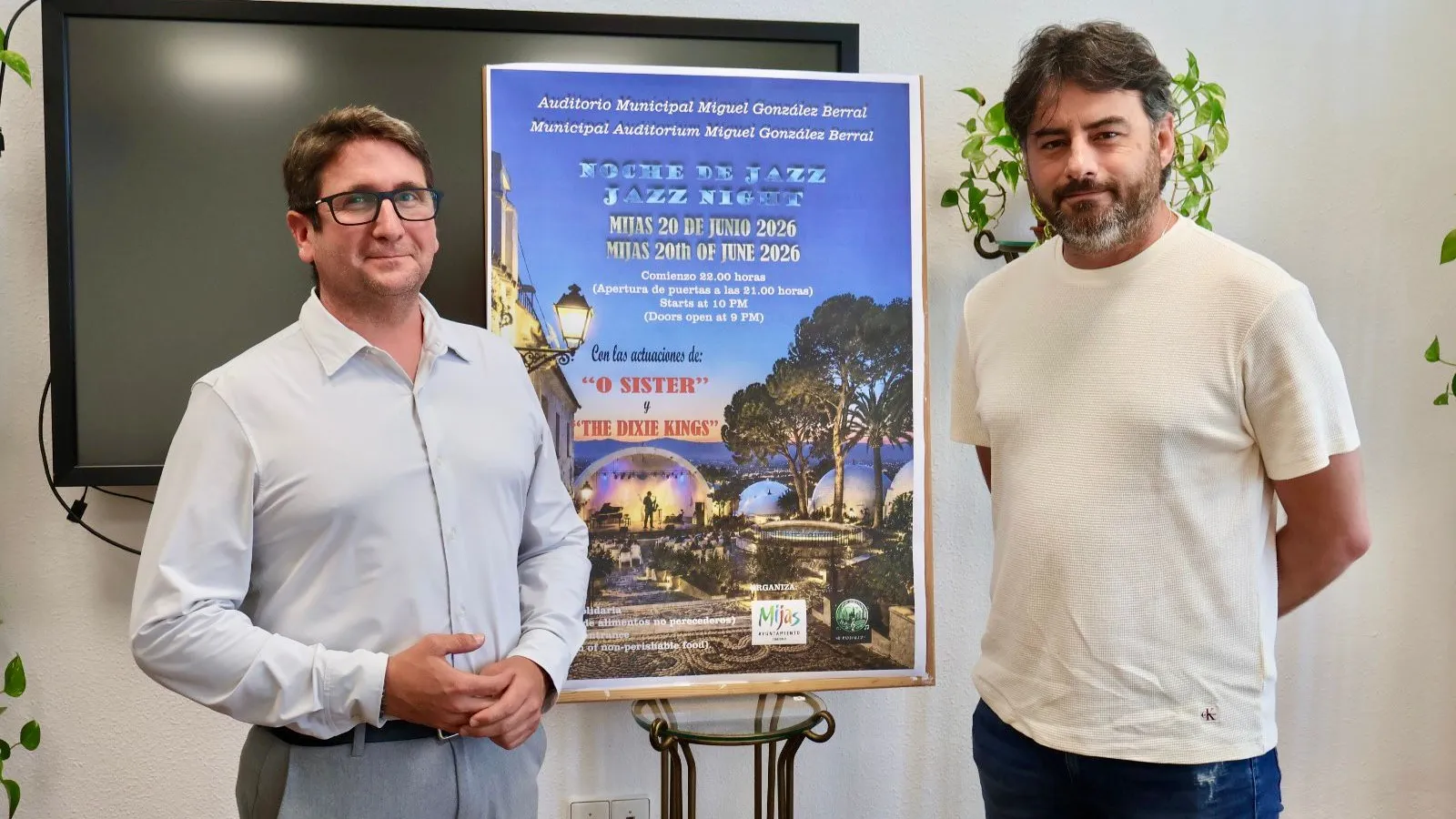
Mijas will celebrate a jazz night to benefit the Food Bank
Mijas
