


The Thyssen Museum parades Zurbarán's unhurt saints
The Noble Hall of the Villalón Palace houses ten works, two by the master from Cáceres and eight by the officers and apprentices of his workshop, which perfectly represent the female religious iconography of the artist, one that leads to divinity through the contemplation of serene beauty.
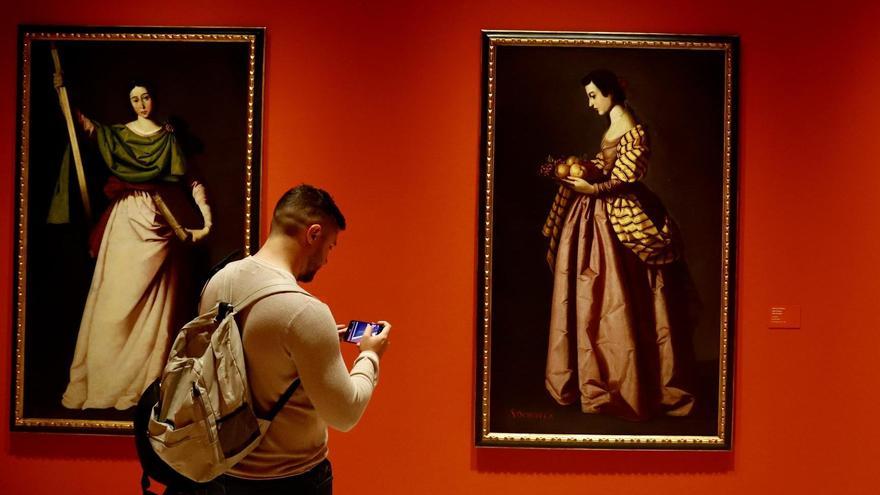

Santa Marina was beheaded at the age of 15 for being a Christian, sometime in the 2nd century; had she renounced Christ, she could have lived in the opulence befitting her birth (she was the daughter of a Roman governor, but was raised by a humble Christian farmer). The body of the teenager was thrown into a furnace but never burned, and her head hit the ground bouncing three times, at which places three springs of water with healing powers sprang up, according to legend. Fourteen centuries later, between 1640 and 1650, Francisco de Zurbarán painted Santa Marina in his workshop: against his proverbial black background, a figure of a well-dressed shepherdess stands out, with very careful accessories. There is no suffering, no pain; here the path to divinity passes through beauty, the serenity of gesture, and the elegance of the garments and props. This is the modus operandi of Zurbarán in his popular series of saints, which we can now see at the Museo Carmen Thyssen Málaga, featuring this Santa Marina (and a replica) plus eight holy women.
The collected Sala Noble of the Villalón Palace, with its warm and elegant coffered wooden ceiling and its expressive red walls, becomes until April 20 a sort of perfect chapel to host a procession of ten saints by Francisco de Zurbarán, a beautiful procession of young women who silence their martyrdom to show the intimate yet sumptuous beauty of their faith.
Officials and Apprentices
Of the ten pieces that make up the exhibition 'Zurbarán. Saints', two, the aforementioned Santa Marina and a Santa Casilda (coming from the Museo Thyssen in Madrid), are works by Francisco de Zurbarán (Badajoz, 1598-Madrid, 1664); the remaining eight, which have been loaned by the Seville Museum of Fine Arts, were done by the officials and apprentices of his Sevillian workshop, one of the busiest of the time and that was overwhelmed with decorating the growing number of monasteries and convents in the Andalusian capital, always under the supervision and approval of the master.
Naturally, the canvases exhibit "fluctuations in quality," assures Lourdes Moreno, artistic director of the Museo Carmen Thyssen Málaga, but all of them express the particular iconography of the artist: purification of the mystical attributes, attention to a certain canon of female beauty (dark hair, big eyes, oval face, rosy cheeks) and emphasis on the clothes and outfits, with the usual magical touch of the creator to reflect, in a simple but volumetric way, the fabrics (remember that Zurbarán's father was a textile merchant, so from childhood the artist was familiar with all the secrets of cloths and fabrics).
Viewing these nine saints in the Sala Noble of the Thyssen Málaga, as in a silent procession, reinforces the hypothetical intention of Zurbarán when painting them: to give these women, divinized after martyrdom, a second earthly life, enjoying the simple opulence of splendid attire and the tranquility of a quiet, devoted life.
Versions
Perhaps due to its distance from the usual tenebrism and suffering foreshortening common in these scenes, this peculiar vision of the Cáceres-born artist of the saints was very well received in his time: the master himself and the officials and apprentices of his workshop replicated and versioned them tirelessly, due to the high demand from a numerous clientele of religious or welfare establishments, both in Andalusia and in America, especially during the mature period of the artist.

Latest news





Upcoming events
12
Nov
El Desembarco, la traición de Viriato at La Caja Blanca
12
Nov
HOMER El Mero Mero at Sala Trinchera Málaga
13
Nov
Marbella Startup Lab – Innovate & Collaborate
13
Nov
Candlelight: Coldplay & Imagine Dragons at Sala Fundación Unicaja María Cristina
13
Nov
Candlelight: Tribute to Ludovico Einaudi at Anantara Villa Padierna
Similar News
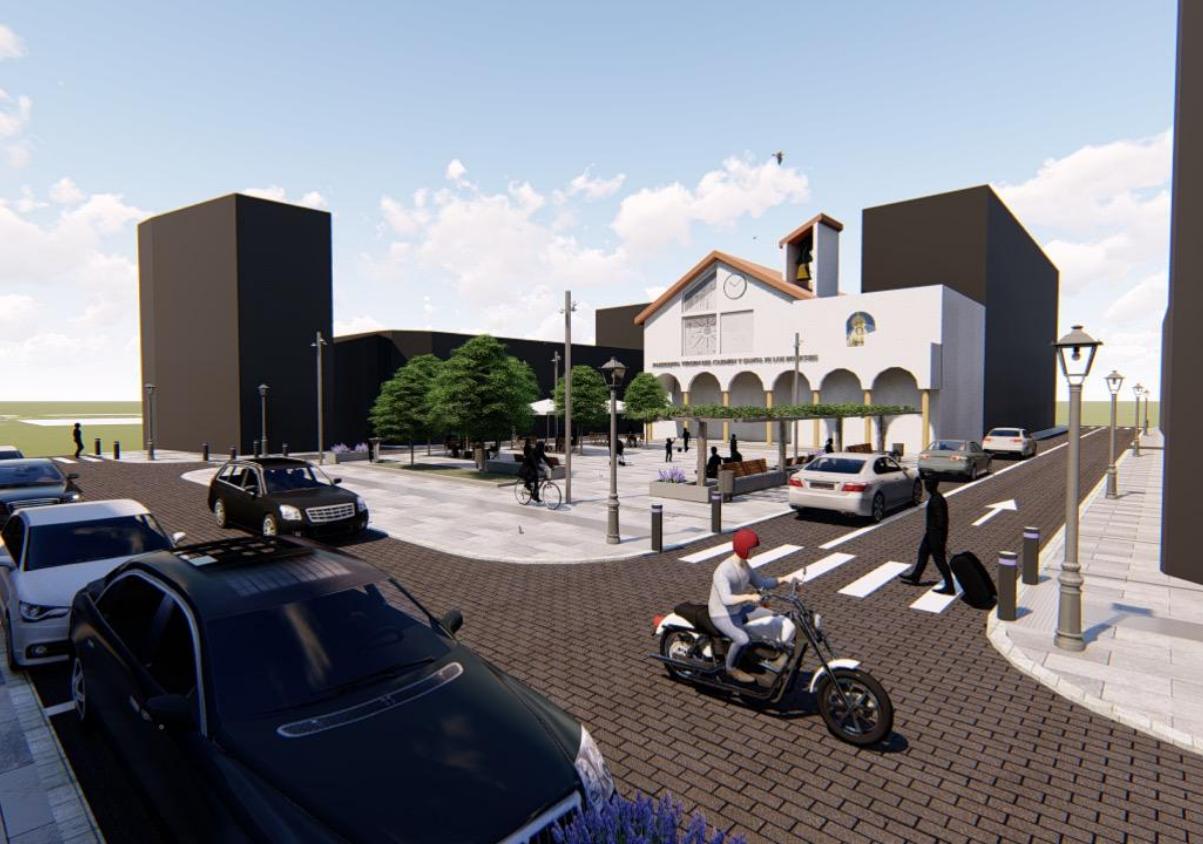
Los Boliches’ Plaza del Carmen is set for a major makeover: more accessible, more shade and no central fountain
Málaga
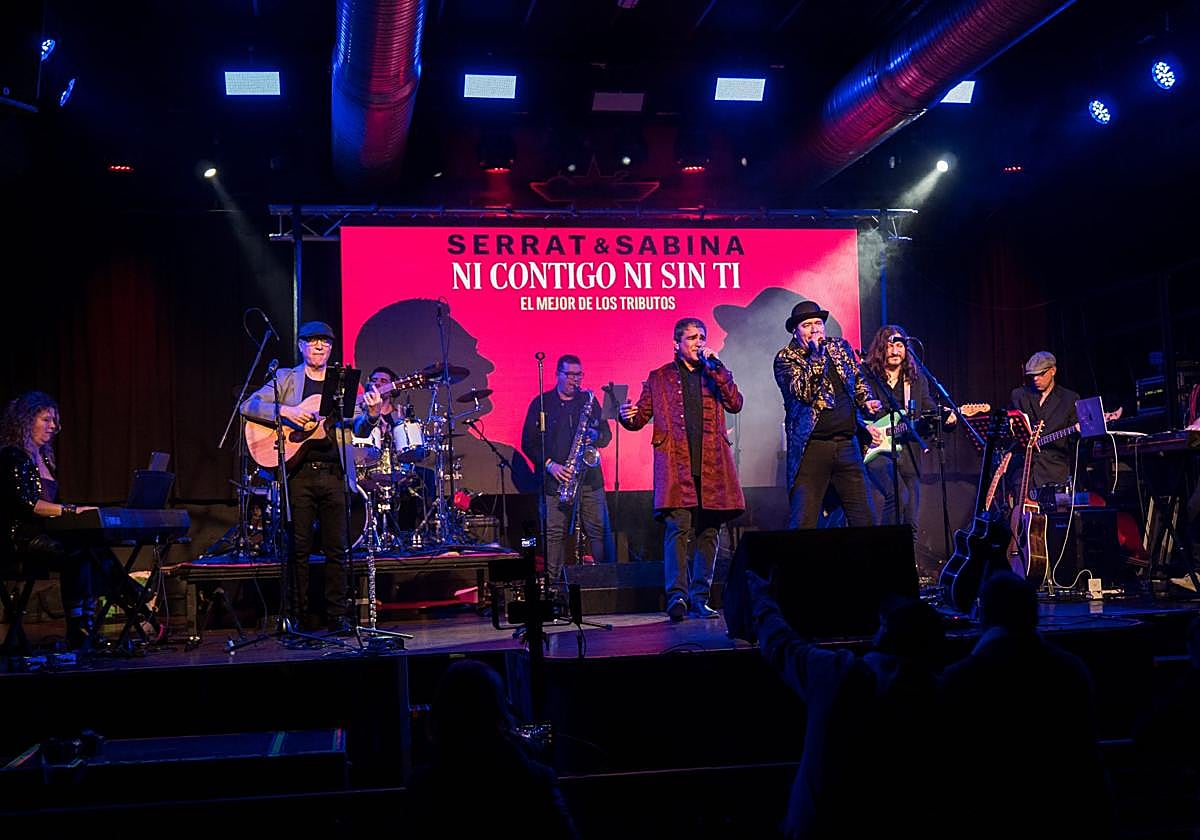
"Two Birds with One Stone": The Best Tribute to Joan Manuel Serrat and Joaquín Sabina Arrives in Málaga
Málaga
