


What can I visit by taking the C2 Cercanías line towards Álora?
Many tourists are unaware of the historical, monumental, and traditional richness of the towns in the Guadalhorce Valley.
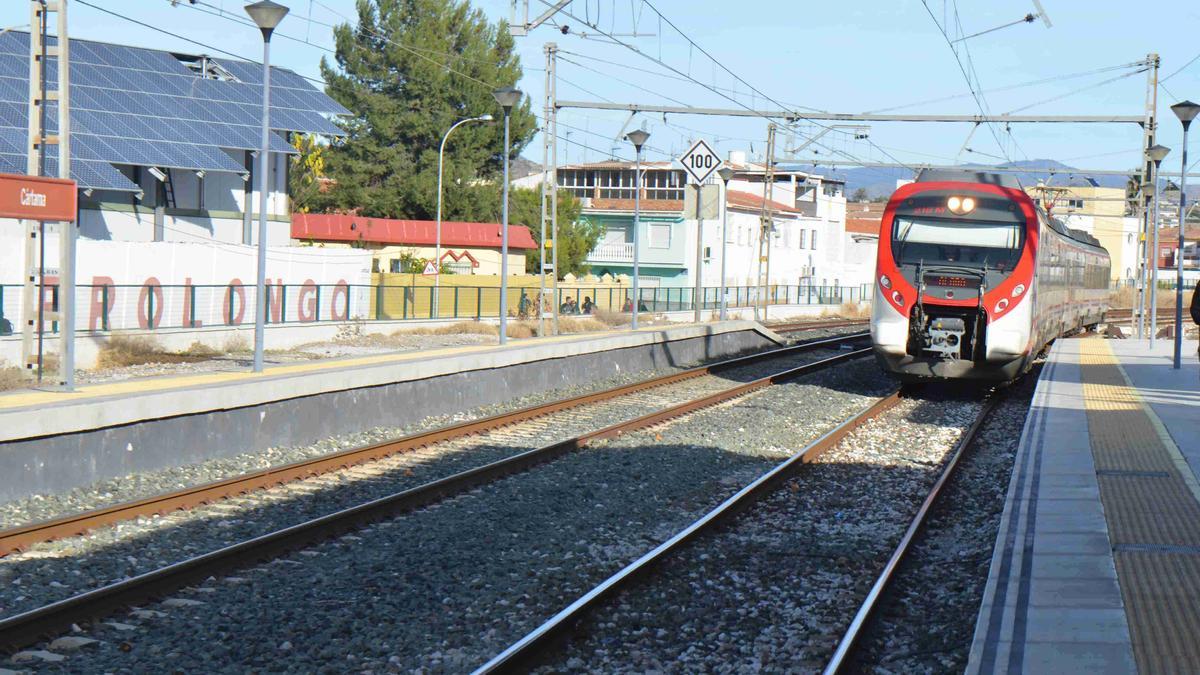

Most tourists only take the C2 line of Cercanías by mistake. It's common to see them boarding this train with their luggage, believing they are heading to the airport, and despite announcements and other passengers warning them: “This train is heading to Álora, destination Álora,” there is always someone who ends up in the Guadalhorce Valley. Disoriented. Lost. Desolate. It's not fair. It's not fair that this is the only way the splendor and historical richness of the Guadalhorce Valley are discovered.
The lack of awareness about the tourist offerings of the Guadalhorce Valley leads to the C2 line having less frequent train schedules. Because they don't come, they only know the Coast, the chill-outs, and the late-night parties in the Historic Center. However, the towns in this region have a strong tourist attraction waiting to be visited, not only by tourists but also by locals from Malaga.
Álora
The head of the C2 line in the Guadalhorce Valley is Álora. Also known as the Balcony of the Guadalhorce for its beautiful landscapes filled with orchards of fruit trees, vegetables, and orange groves. It also offers access to the Caminito del Rey, a trail with "dizzying" views at 110 meters high. It also boasts among its cultural wealth an Arab Castle, declared a National Monument in 1931, which stands on the "Cerro de las Torres".
One of the natural treasures of the entire region is its mountain El Hacho. To enjoy it, you must take an easy circular route of 12.32 kilometers starting from calle Puerto where the first information about the route is found. During the ascent of the mountain, you can see the Monte Huma, the Convent of Nuestra Señora de las Flores, the Torcal de Antequera and the Torrecilla, among other mountain systems and peaks. It also has several viewpoints to enjoy the views. When you reach the summit, at a height of 550 meters, you will see the Cruz del Hacho and behind it, wonderful views of all Álora.
This municipality is also a place where you can celebrate and enjoy its residents "perotes" and their own traditions. On May 4th, it celebrates its festival of verdiales at the Hermitage of the Three Crosses of May, located on the borders of Almogía, Cártama, Álora, and Pizarra. Between songs and dances of verdiales, this traditional festival takes place, dating back to 1722. The dance of the Churripampa, the clash between pandas and the well-known raffle are some of the attractions of this festive day. Its fair will start this year on July 30 until Sunday, August 3. This event will feature concerts, attractions, good music to liven up the night, and sports activities such as dominoes, chess, indoor soccer, and clay pigeon shooting. Its famous day of las Sopas Perotas will take place on October 4. During that day, thousands of servings of the traditional Aloreña soup will be distributed to visitors, accompanied by other typical products such as olives, cucumbers, oranges, peasant bread, and wine. Additionally, there will be performances by Pandas de Verdiales, flamenco, music, dances, and various contests.
The prices for visiting Álora by train depend on the fare you choose. From the Málaga María Zambrano station to Álora, a single ticket costs 3.60 euros and if you choose a round trip it is 7.20 euros. If you have a free pass, it will be free until April. Depending on the zone you are traveling from, the price varies. Some of the times to attend these plans are 09:43, 13:43, 15:43, and 19:43, all these times are from the María Zambrano station heading to Álora. If you are at another station, the schedule changes and it is advisable to consult the Renfe Cercanías de Málaga page.
Pizarra
Pizarra is another stop on the C2 line of cercanías. A municipality that has several unique spots, such as: El Santo. After a moderate 8.65-kilometer hike through the typical Mediterranean vegetation, you reach the viewpoint of El Santo. It is located at one of the highest points of the Sierra, a viewpoint with a statue of the Sacred Heart of Jesus in bronze and cast iron, 2.50 meters high. It was commissioned in 1916, but was destroyed during the Civil War and replaced by a cross. In 1995, this cross was replaced by a new sculpture by the sculptor from Jaén, Don Miguel Fuente del Olmo. Before reaching the summit, during the ascent, there is a recreational area, equipped with barbecues, tables, benches, and even a small mountain shelter. Tourists can also enjoy the landscapes of El Refugio and Raja Ancha.
In Pizarra, you can have a good time at its August Fair, its carnivals, popular races, hiking routes, at its San Juan festival and especially, at its tapa route held since 2007 in October.
To visit Pizarra by train from the Málaga María Zambrano station, you must buy either a single ticket, which costs 3.60 euros, or a round-trip ticket, which costs 7.20 euros as it covers five zones of distance. If you have a free pass, it will be free until April. Depending on the zone you are traveling from, the price varies. Some of the times to attend these plans are 09:43, 13:43, 15:43, and 19:43, all these times are from the María Zambrano station heading to Álora, but you must get off the train at the Pizarra station, one stop before the train reaches its destination. If you are at another station, the schedule changes and it is advisable to consult the Renfe Cercanías de Málaga page.
Green Corridor Trail open in Pizarra / L.O
Cártama
Cártama is a place you can visit by train and have a great day. One of the mandatory stops is its Arab Castle, its strategic position helped defend Malaga. In 1485, the Castle of Cártama was taken by Christian troops, bringing the municipality under the rule of the Catholic Monarchs. The hermitage of Nuestra Señora de los Remedios is another magical corner, the climb to the hermitage is an experience in itself. Travelers talk about the path that leads to this sacred place, where it is common to find people fulfilling promises or simply seeking a moment of peace.
Cártama has a very varied program of festivals and activities. In February, the carnival is celebrated, in March the pedal day where more than 1,500 residents and visitors gather to ride bikes through the streets of the town. In March/April, Los Hornazos is celebrated, on Easter Sunday the people of Cártama make hornazos at home. It consists of making a sweet made from egg and bread dough. And in April, they celebrate their fair.
As it is only four zones of distance from the Málaga María Zambrano station to the Cártama station, the price of a single ticket is 2.70 euros and the round-trip ticket is 5.40 euros. The free pass will be active until April. Some of the times to attend these plans are 09:43, 13:43, 15:43, and 19:43, all these times are from the María Zambrano station heading to Álora, but you must get off the train at the Cártama station, three stops before the train reaches its destination. If you are at another station, the schedule changes and it is advisable to consult the Renfe Cercanías de Málaga page.
Image of the Hermitage of Remedios de Cártama / Javier Lerena
The towns of the Guadalhorce Valley not only have monuments, corners, or festivals to enjoy, the town itself is the place worth visiting. Its people, its customs, its streets, its food, and the views they treasure, have nothing to envy the coastal tourist area.

Latest news





Upcoming events
12
Nov
El Desembarco, la traición de Viriato at La Caja Blanca
12
Nov
HOMER El Mero Mero at Sala Trinchera Málaga
13
Nov
Marbella Startup Lab – Innovate & Collaborate
13
Nov
Candlelight: Coldplay & Imagine Dragons at Sala Fundación Unicaja María Cristina
13
Nov
Candlelight: Tribute to Ludovico Einaudi at Anantara Villa Padierna
Similar News

Málaga Airport Makes History with More Than Three Million Passengers in One Month
Málaga

Port of Málaga looks beyond its docks to support future growth
Málaga

Guide to the Virgen del Carmen Processions in Málaga and the Province
Málaga
