Costa del Sol News
Bioparc Fuengirola revives the spirit of discovery with spectacular settings that transport visitors to the territories explored by Magellan over 500 years ago: from the South American jungles to the forests of Borneo, where one can see amazing species such as the Borneo orangutan, the Malay tapir with its newborn calf, the South American giant otter, and the Sumatran tiger, evoking the same wonder experienced by the 16th-century navigators. More than five centuries ago, the expedition led by Ferdinand Magellan to reach the Spice Island became, under the command of Juan Sebastián Elcano, the greatest maritime feat in history: the first circumnavigation of the world. The descriptions and specimens they brought back to Seville revealed an astonishing catalog of animals and plants never seen in Europe: bats "the size of eagles," multicolored parrots, flying fish, guanacos, and even the mythical birds of paradise that seemed to lack bones and live floating in the air.
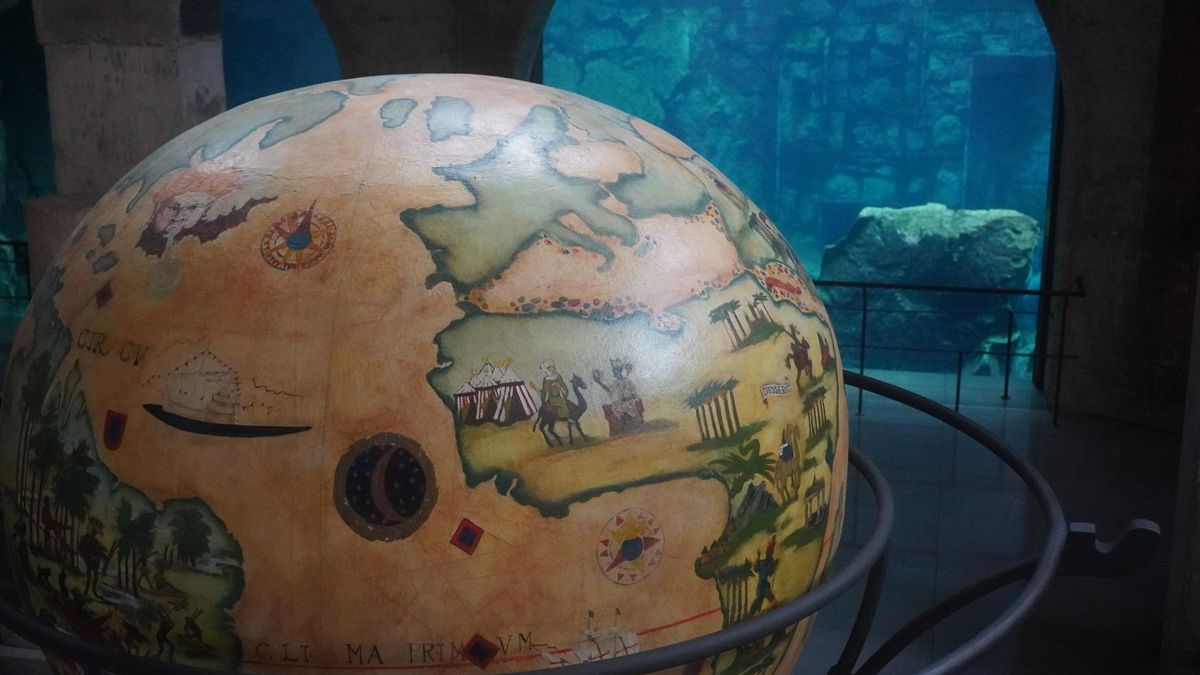
Now, on the anniversary of that milestone, Bioparc Fuengirola invites its visitors to relive that spirit of discovery. Walking through its recreated tropical jungles is like embarking on a journey that directly connects with the territories explored by the Spanish navigators over 500 years ago. With this initiative commemorating the anniversary of the first circumnavigation, the animal park in Málaga joins the celebration of a feat that not only proved the Earth was round and transformed the geographical vision of the world but also forever changed the way humanity related to nature.
The expedition reached places like the Philippines, Borneo, or the Moluccas Islands, among others, where Pigafetta described species that amazed all of Europe. It also skirted the majestic and dense South American jungles. Many of the species that Bioparc Fuengirola protects today as part of international conservation programs inhabit these same territories. And just like those described in the texts of the Italian chronicler, they could have been observed by these brave explorers who marked a before and after in the conception of the world.
Among them are the Borneo orangutan (Pongo pygmaeus), an iconic primate with just over 100,000 individuals left in the forests of Borneo; the Malay tapir (Tapirus indicus), a zoological gem from the Malay Peninsula. It is so rare that it can only be admired in Bioparc Fuengirola in Spain; and Edwards's pheasant (Lophura edwardsi), a bird that symbolizes the beauty of the jungles of Southeast Asia, evoking those colorful species of birds described in the travel chronicles. Extinct in the wild, this year more than 40 centers from the EAZA, including Bioparc Fuengirola, have initiated a reintroduction project in its native habitat: Vietnam.
Also, the Sumatran tiger (Panthera tigris sumatrae), whose conservation is supported by the Bioparc Foundation on the ground in Indonesia, prolonging the exploratory legacy towards a real commitment to the future of biodiversity; the South American giant otter (Pteronura brasiliensis), iconic of Amazonian rivers, is the largest otter in the world; the arapaima (Arapaima gigas), the largest fish in the rivers of Central and South America; and the titis or common small monkeys in Central American and Amazonian jungles, reflecting fauna observed from the coasts and rivers.
The journey through the park leads through habitats of Central and South America, the Indo-Pacific, Southeast Asia, equatorial Africa, and Madagascar where the vegetation, water, and architecture realistically reproduce the landscapes that amazed all those explorers whose voyages made the 15th to 17th centuries be considered as "the age of discoveries."
Every step through the park allows the discovery of amazing species, recreating the sensation of exploration and wonder that inspired the first circumnavigation. The difference is that, five centuries later, that wonder transforms into awareness: protecting nature and conserving these species is the true contemporary feat.
Beyond historical evocation, Bioparc Fuengirola reminds us that many of the species that amazed the navigators of the 16th century are today in grave danger. With its participation in international conservation programs and its commitment to sustainable leisure, the park reinforces its role as a cultural and tourist benchmark in Andalusia, becoming a port of departure for an unforgettable journey around the planet.
Bioparc Fuengirola joins the commemoration of the first circumnavigation, remembering that curiosity, exploration, and respect for life are values that have accompanied us since then. Just as Magellan and Elcano opened new routes, today the mission is to pave the way towards a sustainable future for the planet's most threatened wildlife.