


The blue dragon, seen on the beaches of Mijas:
Its appearance, according to the director of the Aula del Mar Foundation in Málaga, is
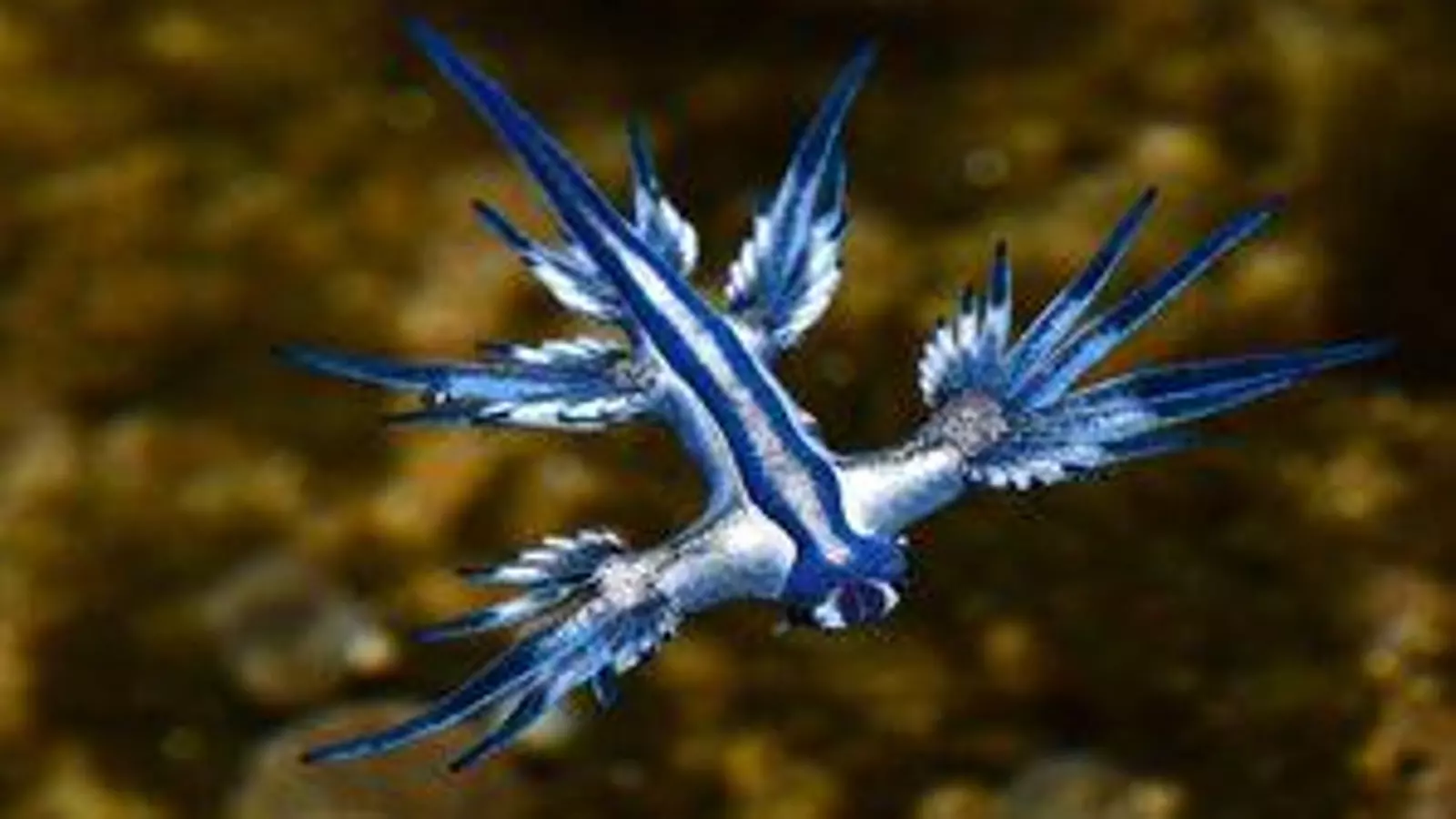

The blue dragon, scientifically known as Glaucus atlanticus, has been spotted in the waters of Mijas. This event is extraordinary because "it has been many years since they were found in the Mediterranean," emphasizes Juan Antonio López, director of the Foundation Aula del Mar in Málaga. It is a "very striking" animal. This "marine slug" is four centimeters long, with a distinctive "electric blue" color as a "camouflage method," and has caused concern and alarm in Alicante, Mallorca, and Algeciras.
These animals primarily feed on jellyfish when they are very small. By feeding on them, blue dragons "concentrate that stinging cell in their bodies" that can present the dreaded Portuguese man o' wars. "If you touch it, it can release as a defense that cell it has in its skin, causing skin reactions. You will experience the same symptoms as when this type of jellyfish stings you: itching, external burns. People allergic to jellyfish might even experience nausea and vomiting, as if your digestion was disrupted," explains López.
A specimen of the species in Valencia. / EPAccording to the director of the Fundación Aula del Mar, its appearance is "a clear indicator of climate change." Blue dragons mainly seek warm waters. Therefore, they are common in "almost all tropical and temperate seas around the world," he emphasizes. "They live floating on the surface of the water, in a kind of bubble, floating upside down, and they appear as the sea warms up. Only sightings occur during that time," he states.
López advises not to kill them because it helps control plagues of animals like jellyfish. "They are not an invasive species and are fundamental for the marine biome balance because they feed on gelatinous animals like jellyfish," he repeats. "As a rule, they are not usually seen on beaches. That is very sporadic. The change from east to west wind, in these wind changes occasionally, brings them closer to the shore," he explains.
Likewise, López clarifies that "the specimens that have appeared in Mallorca, Alicante, or Algeciras are very few, like four or five." Through the Infomedusa app, citizens and bathers can report sightings. The president of Aula del Mar advises doing so and to remain calm.
What to do in case of a sting
In case of a blue dragon sting, one should avoid touching the area, as it can spread the venom. The affected skin should be washed with salt water and the animal's tentacles should be removed with tweezers. It should not be done with fresh water as it could cause a rebound effect.
To reduce inflammation, apply cold water cloths to the sting. If the pain persists, it is recommended to see a doctor. There have been no previous cases of death risk from this sting, but it can be severe, and it is better to prevent.

Latest news





Upcoming events
12
Nov
El Desembarco, la traición de Viriato at La Caja Blanca
12
Nov
HOMER El Mero Mero at Sala Trinchera Málaga
13
Nov
Marbella Startup Lab – Innovate & Collaborate
13
Nov
Candlelight: Coldplay & Imagine Dragons at Sala Fundación Unicaja María Cristina
13
Nov
Candlelight: Tribute to Ludovico Einaudi at Anantara Villa Padierna
Similar News

A survival camp in Mijas teaches children how to make fire and build shelters
Mijas

Sarao Nights Returns to La Zambra Resort with a Launch Party Headlined by Daisy Dee
Mijas

Mijas will celebrate a jazz night to benefit the Food Bank
Mijas
