


Diego Reyes is the focus of the tribute at the Rosa Fina Flamenco Festival in Casares
Self-taught, has performed at Festivals alongside Vicente Amigo, Camarón, Fosforito, Luis de Córdoba, Eva La Yerbabuena, or María Pagés.
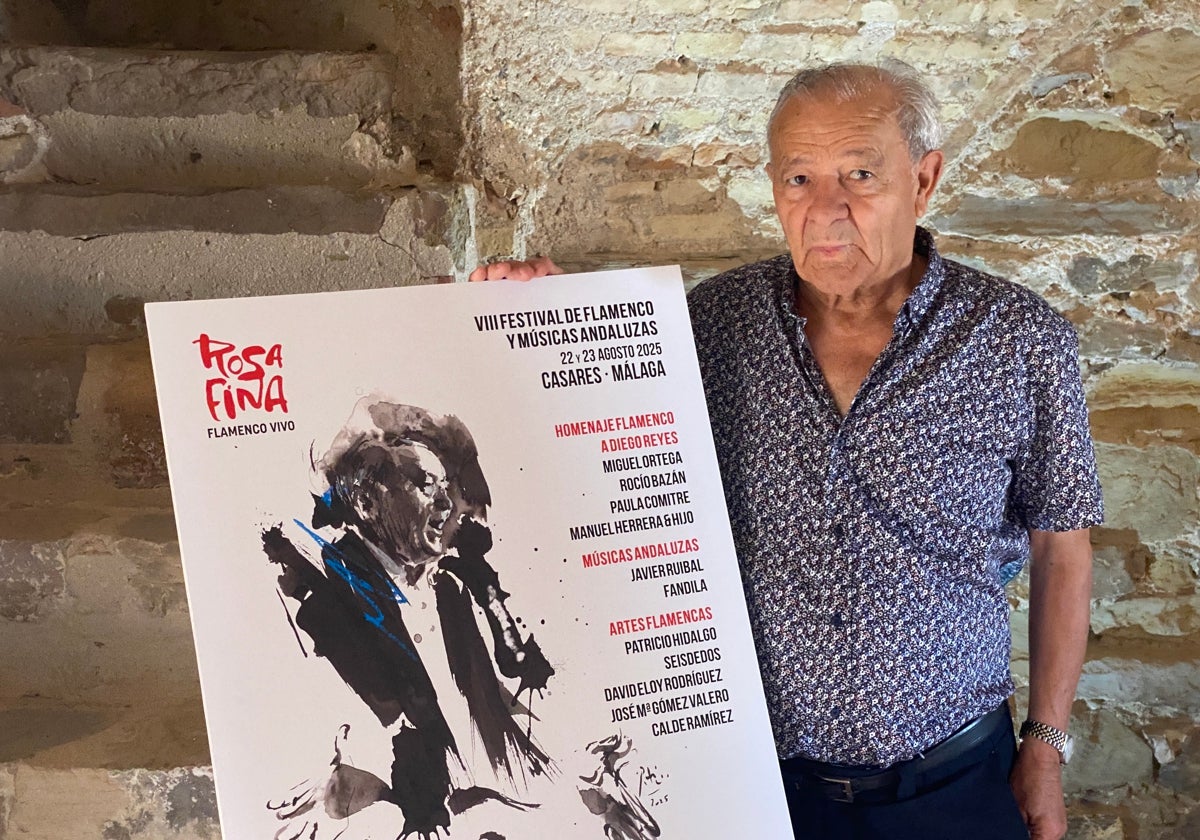

Casares pays tribute to Diego Reyes (Málaga, 1942), heir to Rosa Fina and the most prominent flamenco singer from Casares. The tribute will take place tonight at Marcelino Camacho square as part of the Rosa Fina 2025 Flamenco and Andalusian Music Festival, an event that undoubtedly excites him as he confesses, "I did not expect it."
Diego Reyes, who turned 83 last July 13, still visits flamenco clubs to sing. Born in Málaga, his childhood in the post-war era was not easy. His mother, Carmen Narváez, was left alone in the city with four young children and decided to return to the village so that the grandparents could help with raising them. "I was 4 years old, the second sibling, and we had nothing to eat."
Carmen passed away at 33 in Casares "and left us four orphans, even worse off than before, all little and we all started working." At 6, Diego was tending pigs in the countryside, at the Fábrica del Sordo mill, "they paid me three duros a month and I was there for eight years. I learned to read and write at night. I spent the day in the countryside with only the pigs and a radio for company, and there I began to sing, completely self-taught and in love with flamenco."
This, and his proximity to Francisco Doncel Quirós, the Niño de la Rosa Fina, Diego's great-uncle and husband of Juana Ruiz, his maternal grandmother's sister. "I grew up with them because my aunt fed us, she kneaded and always had a piece of bread with oil ready for me."
"I listened to Rosa Fina sing in bars, which was his way of making a living, especially in La Línea where he often went because his son worked there as a barber," explains Diego Reyes. "In Casares, I learned from him; it was very difficult at that time to learn, today I have my tablet and my things and there's no problem, but back then you learned whatever you could catch on the fly."
And in addition to his uncle Rosa Fina, Juanito Valderrama, Palanca, or Corruco de Algeciras were part of his inspiration and learning. "There were few women, we only listened to Pastora Pavón La Niña de los Peines," he tells SUR.
"I have sung in flamenco clubs all over Andalusia, I have been fortunate to sing with Fosforito, Luis de Córdoba, among all the greats of those years at festivals and although I was the last on the bill, I was very proud to accompany all these people. For me, these are huge memories," he acknowledges.
Including guitarist Vicente Amigo and Camarón de la Isla, with whom he also occasionally shared a table and meal. Accompanied, of course, by his guitarists, "the first, Pepe el Chuleta from San Roque who came very prepared and then with Javier Pineda Potajito, the guitarist with whom I have sung the most, both now deceased."
In Casares, the flamenco tradition goes way back and Diego assures that in his family "the one who understands flamenco best is my daughter Isabel," who tells us she feels more comfortable dancing than singing, "and my grandson Iván, whom I take to sing whenever I can." The next planned performance, on September 8 in Casares for the feast of the Virgin of Rosario del Campo, will feature a flamenco mass where it is already confirmed that the grandfather and grandson will sing together.
Diego Reyes Narváez, considered a fundamental pillar of flamenco in Casares, thus receives significant recognition today in the town that saw him grow up, and from the organization of the Niño de la Rosa Fina Festival, they trust that "his legacy will endure in every corner of the municipality and that his influence continues to live on in new generations of artists and enthusiasts."

Latest news





Upcoming events
12
Nov
El Desembarco, la traición de Viriato at La Caja Blanca
12
Nov
HOMER El Mero Mero at Sala Trinchera Málaga
13
Nov
Marbella Startup Lab – Innovate & Collaborate
13
Nov
Candlelight: Coldplay & Imagine Dragons at Sala Fundación Unicaja María Cristina
13
Nov
Candlelight: Tribute to Ludovico Einaudi at Anantara Villa Padierna
Similar News
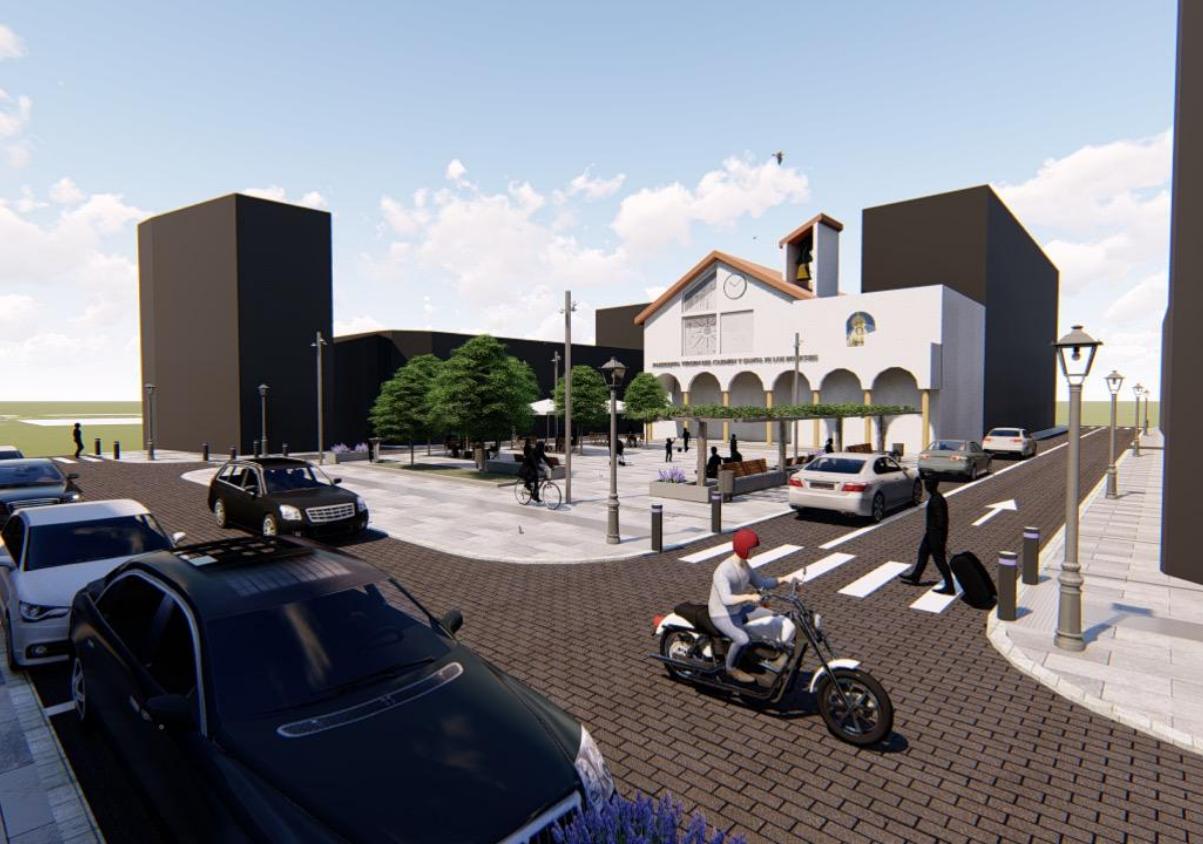
Los Boliches’ Plaza del Carmen is set for a major makeover: more accessible, more shade and no central fountain
Málaga
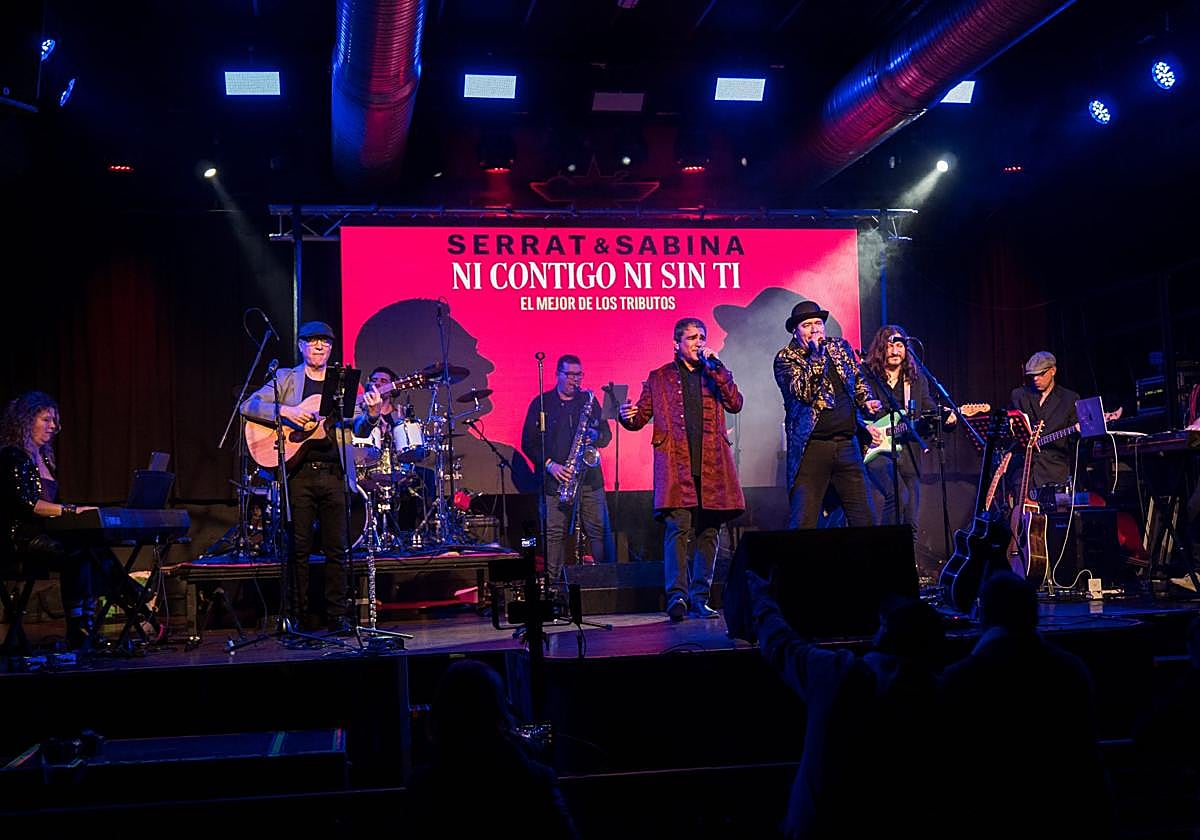
"Two Birds with One Stone": The Best Tribute to Joan Manuel Serrat and Joaquín Sabina Arrives in Málaga
Málaga
