


It was a 17th-century mansion and today it is a restaurant with a Repsol Sun: it is a must-visit in this town in Málaga.
A gastronomic project that rescues traditional recipes from MálagaCharo Carmona and her son Fran turn culinary memory into artThe 27 Repsol Suns awarded to the restaurants of M...
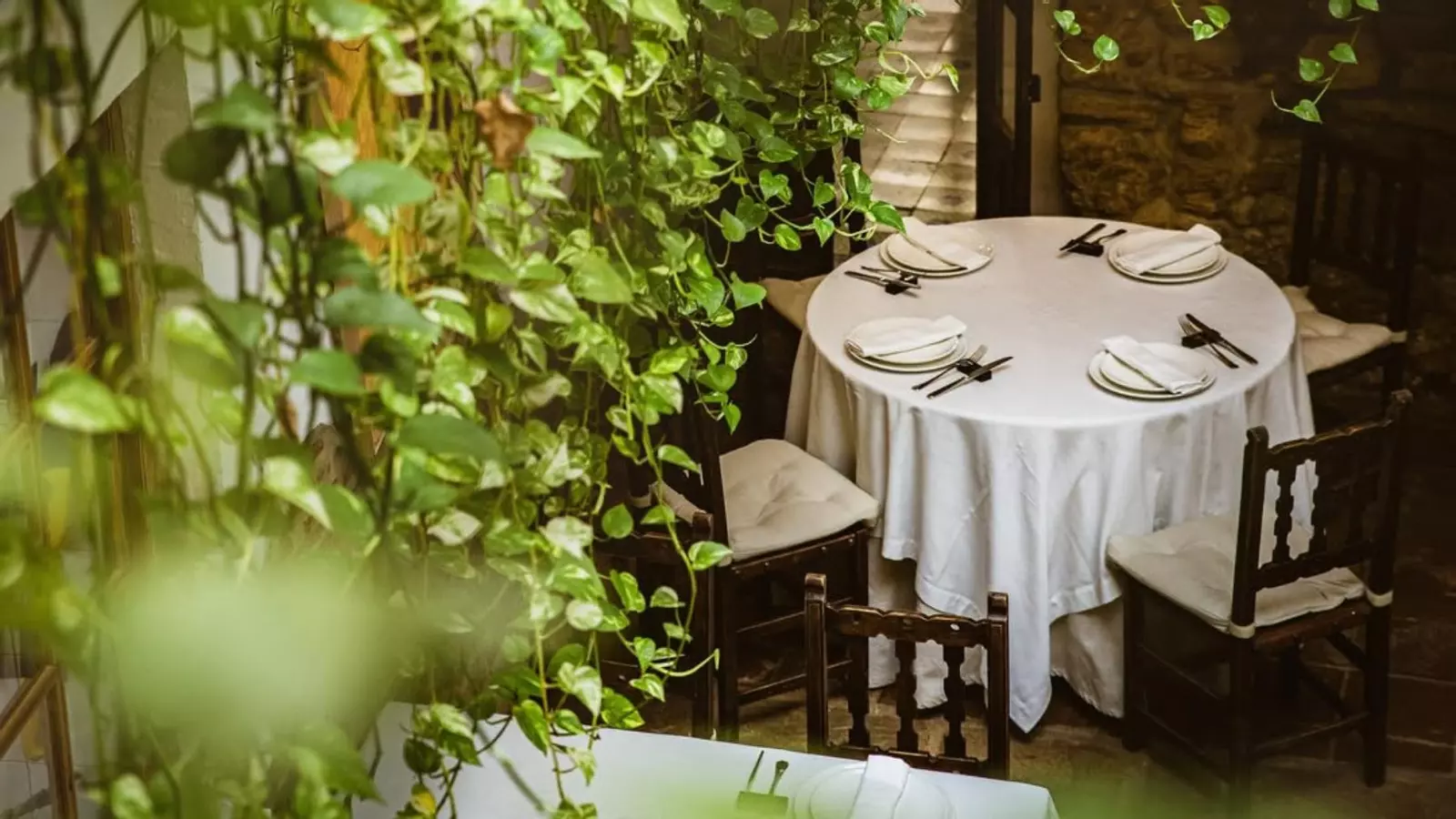

In the historic center of Antequera, a 17th-century house preserves beams, whitewashed walls, and a courtyard that today hosts a gastronomic project that has successfully combined memory, territory, and cuisine. Arte de Cozina, led by Charo Carmona and her son Fran, occupies this old building and has turned the culinary tradition of the region into the focus of its proposal, recognized with a Sol Repsol from the prestigious Guía Repsol.
The house that houses the restaurant maintains the structure and atmosphere of traditional homes: high ceilings, wood, and a covered courtyard that acts as a dining room. The restaurant is located at calle Calzada, 27, and retains a domestic layout that keeps the kitchen close to the dining table: a large window connects the stove to the dining area and allows for interaction between those who cook and those who eat. In addition to the restaurant, the house includes a hostel with rooms decorated with reclaimed furniture, thus connecting the gastronomic experience with rest in a historic environment.
Traditional cuisine as a living archive
The menu of Arte de Cozina arises from the recovery of local recipes and the application of conventional techniques, without seeking gimmicks or fleeting trends. Dishes such as pintarroja soup, white porra, pelona de lomo, ajocolorao, or rice with chestnuts appear on the menu with a clear intention: to preserve preparations that are part of the food heritage of the province. Each recipe is accompanied by a card that explains its historical context and provides a simple formula for its reproduction; a task carried out in collaboration with the historian and gastronome Fernando Rueda.
The offer includes spoon dishes and stews that reflect the cuisine of recycling and local products. Among the starters are ajoblanco with grapes, pintarroja soup, and pickled chicken salad; among the main courses stand out pelona de lomo in lard, stew with its pringá, goat in caldereta, or cod with onions. The desserts recover traditional formulas such as bienmesabe or rice with chestnuts. The table setting and presentation seek to maintain the simplicity of yesteryear. This approach has elicited emotional reactions among diners: some have recounted how flavors from their childhood emerged with the first spoonful.
Arte de Tapas and recognitions
Alongside the main restaurant, the project includes Arte de Tapas, an informal space in the same house that offers a tapas menu based on the same cookbooks: ajoblanco with marinated sardine, homemade croquettes, eggplants with cane honey, or montaditos with pringá. The informal offer also incorporates, for family reasons, a small section of Japanese cuisine managed with respect for the Japanese tradition: sashimi, tataki, or gyozas thus coexist with Andalusian recipes in an unusual dialogue in the rural environment. The adjacent hostel completes the proposal: rooms decorated with reclaimed pieces maintain the coherence between the historic space and the gastronomic experience.
Arte de Cozina has received professional recognition and public acclaim. The Sol from the Guía Repsol highlights the recovery work and the sustained quality of its cuisine; on opinion platforms like Tripadvisor, it appears with more than 1,400 comments and an average rating close to 4.4 out of 5. Chefs from the province have also shown interest in the house: the story of the project includes an anecdote of Dani García, among other chefs who have sought refuge in the tradition offered by the restaurant.

Latest news





Upcoming events
12
Nov
El Desembarco, la traición de Viriato at La Caja Blanca
12
Nov
HOMER El Mero Mero at Sala Trinchera Málaga
13
Nov
Marbella Startup Lab – Innovate & Collaborate
13
Nov
Candlelight: Coldplay & Imagine Dragons at Sala Fundación Unicaja María Cristina
13
Nov
Candlelight: Tribute to Ludovico Einaudi at Anantara Villa Padierna
Similar News

Málaga Airport Makes History with More Than Three Million Passengers in One Month
Málaga

Port of Málaga looks beyond its docks to support future growth
Málaga

Guide to the Virgen del Carmen Processions in Málaga and the Province
Málaga
