People who are good at reading have different brains
The number of people who read for pleasure in Spain continues to rise.

The
number of people who read for pleasure in Spain continues to increase. For the
first time, the percentage of the population that reads books in their free
time exceeds 65%. The data collected in the Barometer of Reading and Book
Purchasing Habits in Spain 2024 breaks the myth that young people do not read
books: 75.3% of the population between 14 and 24 years old do so in their free
time.
But
does reading change the mind? Are there changes in the brain structure of good
readers? In my new study, published in Neuroimage, the answer to both questions
was found, and it is affirmative.
For
the research, he analyzed open source data available in the Human Connectome
Project from more than 1,000 participants. He found that readers with different
abilities have different traits in brain anatomy.
The
brain adapts
Clearly,
brain structure can tell us a lot about reading skills. However, it is
important to note that an organ is malleable: it changes when we learn a new
skill or practice an already acquired one.
For
example, it was found that young adults who studied languages intensively
increased cortical thickness in language areas. Likewise, reading likely shapes
the structure of the left Heschl's gyrus and temporal lobe. So, if you want to
keep your Heschl's gyrus thick and thriving, grab a good book and start
reading.
Finally,
it's worth considering what might happen to us as a species if skills like
reading lose priority. Our ability to interpret the world around us and
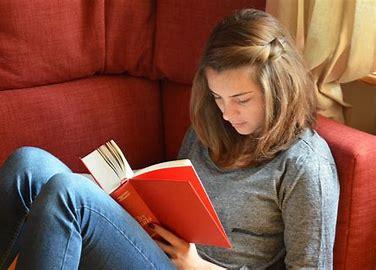
understand the minds of others would surely diminish. That cozy moment with a
book on the couch is not just something personal, it could provide a service to
humanity.

Latest news





Upcoming events
12
Nov
El Desembarco, la traición de Viriato at La Caja Blanca
12
Nov
HOMER El Mero Mero at Sala Trinchera Málaga
13
Nov
Marbella Startup Lab – Innovate & Collaborate
13
Nov
Candlelight: Coldplay & Imagine Dragons at Sala Fundación Unicaja María Cristina
13
Nov
Candlelight: Tribute to Ludovico Einaudi at Anantara Villa Padierna