In elite sport, the phrase “past your prime” is rapidly being redefined.

At 38, Jess
Fishlock just became the oldest goalscorer in UEFA Women’s Euro history. At
Euro 2024, Portuguese defender Pepe made headlines not for a red card or faking
injury — but for simply stepping onto the pitch at age 41, becoming the oldest
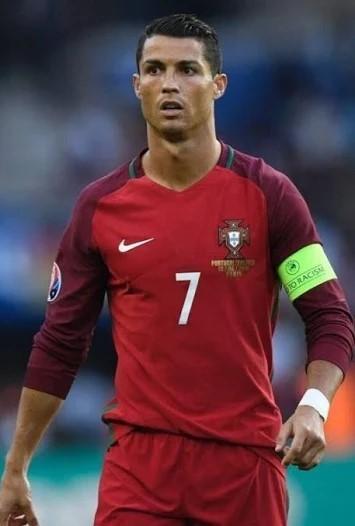
player to feature in a European Championship. Fellow veterans Cristiano Ronaldo
(39), Luka Modrić (38), and Keylor Navas (38) also made appearances.
And it’s
not just football. Serena Williams won
the Australian Open at 35
(while pregnant). Roger Federer won a Grand Slam at 36. Rafael Nadal became
the oldest French Open champion at 36. Novak Djokovic, now
38, won Olympic gold in 2024 and reached the
semi-finals of
all three Grand Slams this 2025.
In American
sports, Tom Brady retired at 45 after 23 physically punishing NFL seasons.
LeBron James, at 39, is still dominating in
the NBA, having
won the inaugural NBA Cup with the LA
Lakers in 2023.
These
aren’t just feel-good stories; they reflect a growing trend. Athletes are
staying competitive for longer and pushing the boundaries of peak performance.
But how?
Research
backs the shift. A study on Olympic athletes found that between 1992 and 2021, the average
age of male Olympians rose from 25 to 27, and female athletes from 24 to 26. In
football, a study of UEFA Champions League
players found
the average player age rose by nearly two years between 1992 and 2018.
Elevate
your inbox. Get our free daily email.
Principio del formulario
Subscribe
This site
is protected by reCAPTCHA and the Google Privacy Policy and Terms of Service apply.
Final del formulario
So how are
older athletes continuing to thrive in elite sport? Here are some of the key
factors.
1. Smarter training
Modern
athletes benefit from personalised training programmes informed by cutting-edge
sports science. Tools like GPS tracking, heart rate variability (HRV), and biomarker analysis help coaches monitor performance, recovery and
injury risk.
Metrics
such as HRV, for example, can indicate when an athlete might need more rest, which is crucial for older athletes who take longer to recover after intense competition.
Athletes
are no longer reliant on a single coach. Today, they work with integrated teams
– sports scientists, strength and conditioning coaches, and performance
analysts – all dedicated to improving their fitness and performance.
2. Better injury prevention and medical support
Athletes
now undergo regular fitness testing and musculoskeletal screening to identify
potential weaknesses before they lead to injury. And when injuries do occur,
recovery methods have vastly improved.
Anterior
cruciate ligament (ACL) injuries were once considered career-ending for
older athletes. But thanks to advanced surgical techniques and biological therapies, recovery is now faster, and athletes return to play
much sooner.
Zlatan
Ibrahimović, at age 35, returned to top-level
football just
seven months after an ACL tear – a feat nearly unthinkable a decade earlier.
3. Optimised recovery and nutrition
Ageing
athletes have different recovery needs — and sports science has stepped
up. Cryotherapy, compression therapy, and advanced sleep protocols
all help reduce muscle soreness and accelerate repair.
Nutrition
plays a key role too. Ageing bodies experience more inflammation and slower
repair, so diets rich in polyphenols (found in berries, leafy greens, and dark
chocolate) are used to support vascular health and recovery. Athletes may also
take approved supplements such as glucosamine and chondroitin to support joint health and slow degeneration.
The result?
Older athletes can train more consistently and recover faster between games.
4. Experience and tactical intelligence
Speed and
strength decline with age, but tactical intelligence often improves. Older
athletes can compensate for age-related declines in physical capacity with
their advanced game-reading skills and spatial awareness. For instance,
footballers like Paul Scholes and Andrés Iniesta adapted their playing styles
with age, relying more on positioning and passing intelligence than physical
capacity.
5. Financial and legacy incentives
Today’s
stars aren’t just competing for medals – they’re building brands. With massive
financial rewards on offer, there’s a clear incentive to prolong careers.
Cristiano
Ronaldo, for example, recently signed a
two-year contract extension with Al-Nassr that will see him play until age 42 — reportedly
earning an estimated £492 million. For many athletes, the chance to leave a lasting
legacy and secure generational wealth keeps them in the game.
While we
can’t stop the biological effects of
ageing, today’s
athletes are proving we can delay their impact – and even thrive later in life.
With
smarter training, better recovery strategies and cutting-edge medicine, the
upper age limit for peak performance continues to stretch. These advances may
allow more veteran athletes to defy expectations and continue competing at the
highest level.

Get your news from actual
experts, straight to your inbox. Sign up to our daily
newsletter to receive all The
Conversation UK’s latest coverage of news and research, from politics and
business to the arts and sciences.
·
Ageing
·
Sport
·
Football
·
Tennis
·
Health
·
Athletes

Latest news





Upcoming events
12
Nov
El Desembarco, la traición de Viriato at La Caja Blanca
12
Nov
HOMER El Mero Mero at Sala Trinchera Málaga
13
Nov
Marbella Startup Lab – Innovate & Collaborate
13
Nov
Candlelight: Coldplay & Imagine Dragons at Sala Fundación Unicaja María Cristina
13
Nov
Candlelight: Tribute to Ludovico Einaudi at Anantara Villa Padierna