


The best-kept secret of Malaga: this town looks like it's straight out of a Disney movie and smells of sweet wine
Moclinejo, a White Corner Among Vineyards that Breathes History, Flavor, and TraditionA Fairy-Tale Destination with Flower-Lined Streets, Muscat Wines, and Breathtaking Views in the AxarquíaThe Route of the...
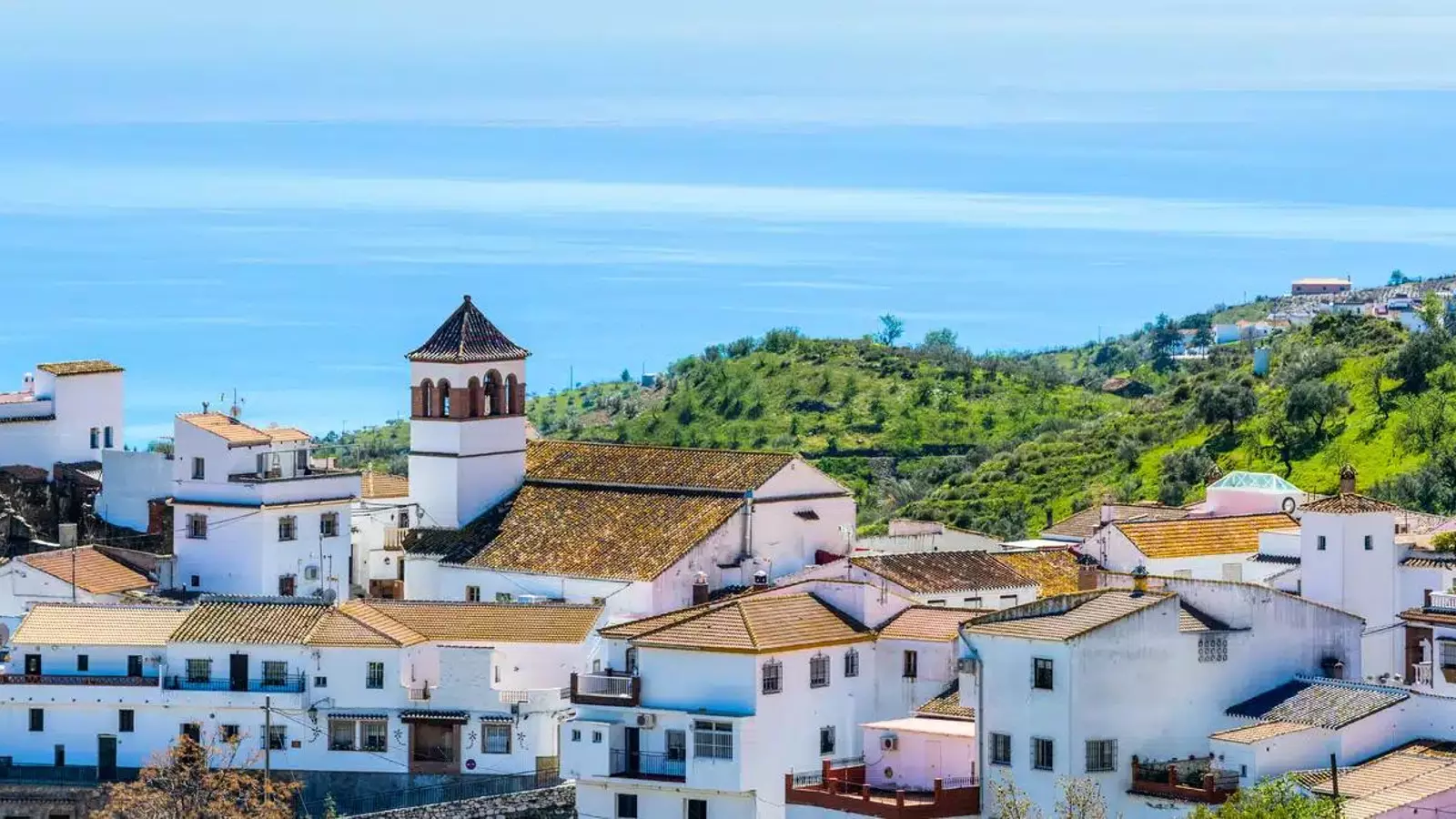

Nestled among the gentle hills of the Axarquía region, Moclinejo stands as one of the most picturesque and unique towns in the province of Málaga. Recently declared a new Magical Town of Spain, this small Malaga municipality captivates visitors with an atmosphere reminiscent of fantasy settings. Whitewashed houses, flowered alleyways, decorative arches, and viewpoints dominating the landscape make Moclinejo a destination where every corner evokes a story.
Its Arab origins are still perceived in the irregular layout of its streets, which ascend and descend adapting to the terrain, and in the name that defines it: Moclin, which means 'place of district'. This enclave, a scene of battles during the Reconquista, flourished centuries later thanks to the cultivation of vines. Despite the devastating impact of phylloxera in the late 19th century, the town resurged strongly and today is a benchmark in the production of raisins and muscatel wine.
A gateway to tradition: the arches of Moclinejo and the Raisin Route
The Arches of Moclinejo are the symbolic entrance to a world where history, agricultural tradition, and scenic beauty merge. This decorative set marks the beginning of the Raisin Route, an emblematic itinerary of the Axarquía that celebrates the wine-growing heritage of the region. In this area, vineyards, olive groves, and almond trees are distributed on terraces that dot the terrain, forming an agricultural landscape of high cultural and visual value.
Moclinejo is also the starting point of the Wine Route, which reinforces its role as a central enclave in the dissemination of local wine culture.
Cultural heritage: churches, museums, and soulful spaces
The architectural heritage of the municipality revolves around the church of Our Lady of Grace, built in the 16th century and later renovated. Its unique bell tower, decorated with arches of Arab influence, stands out among the rooftops of the urban area. Inside, details such as the modernist railing of the choir add character to this temple with Mudejar and Renaissance essence.
The Plaza de España, in the heart of the village, hosts several spaces of great interest. Among them, the Center for the Study of Raisins and Muscatel Wine, dedicated to spreading the economic and cultural importance of these products in the history of Moclinejo. Nearby, the Axarquía House Museum offers a collection that ranges from farming tools to contemporary art pieces, forming a visual memory of the region.
Wineries and tributes
The Antonio Muñoz Cabrera Winery, founded in 1927, represents the wine-growing roots of Moclinejo. This family establishment not only produces muscatel wines but also preserves the memory of the artisanal wine-making process, with a small museum dedicated to its origins.
In the hamlet of El Valdés, part of the municipal term, folk art takes center stage thanks to the work of Antonio Montañez, author of the Axarquía House Museum of El Valdés, a unique construction built with demolition materials and decorated with ceramics and artisanal details. Nearby, the Plaza Axarquía and the monument in tribute to the stonecutters pay homage to professions and traditions now disappeared, engraving in stone the names of those who marked the local history with their work.
Nature and hiking
The natural surroundings of Moclinejo offer numerous hiking trails, ideal for nature lovers. Paths like the Cuesta de la Matanza or the barranco de la Hoya de los Muertos meander between hills and valleys, allowing for 360º views over the Axarquía coast, the Sierra Almijara, and the inner mountains of Málaga. These itineraries invite you to explore old agricultural roads among landscapes of sloping vineyards and cultivated terraces.
One of the most unique attractions of Moclinejo is the Ruta del Ratoncito Pérez, a route designed especially for children. Through clues and signs, the little ones can search for this character's house, making their visit to the village an unforgettable adventure. This family proposal reinforces the welcoming vocation of the municipality, integrating imagination and play into the urban fabric.
A cuisine with a taste of the land
The local cuisine is a true reflection of the agricultural tradition of the municipality. During the Day of the Vineyard Workers, celebrated every second Sunday of September after the grape harvest, homage is paid to local products. On this day, muscatel raisins and sweet wines take center stage alongside traditional dishes such as sirloin with raisins, goat with garlic or almonds, and classics like migas, gazpachuelo, or ajoblanco. The local pastry, with wine donuts and borrachuelos, completes a culinary offering linked to the agricultural calendar.
How to get to Moclinejo
From Málaga city to Moclinejo there is a distance of 27 kilometers. To drive there, the most direct route is via the E-15 road, taking exit 256 to merge onto the MA-3200/MA-3119 until reaching the municipality. The estimated time is 33 minutes.

Latest news





Upcoming events
12
Nov
El Desembarco, la traición de Viriato at La Caja Blanca
12
Nov
HOMER El Mero Mero at Sala Trinchera Málaga
13
Nov
Marbella Startup Lab – Innovate & Collaborate
13
Nov
Candlelight: Coldplay & Imagine Dragons at Sala Fundación Unicaja María Cristina
13
Nov
Candlelight: Tribute to Ludovico Einaudi at Anantara Villa Padierna
Similar News

Málaga Airport Makes History with More Than Three Million Passengers in One Month
Málaga

Port of Málaga looks beyond its docks to support future growth
Málaga

Guide to the Virgen del Carmen Processions in Málaga and the Province
Málaga
