


Coral reefs, exotic fish, and otherworldly landscapes while snorkeling: these are the beaches of Malaga that seem like they're straight out of a National Geographic documentary.
From Nerja to Estepona: five underwater spots hiding corals, caves, and unique landscapesTorrevigía, La Galera, or El Cañuelo: places where the Mediterranean is discovered beneath the surface
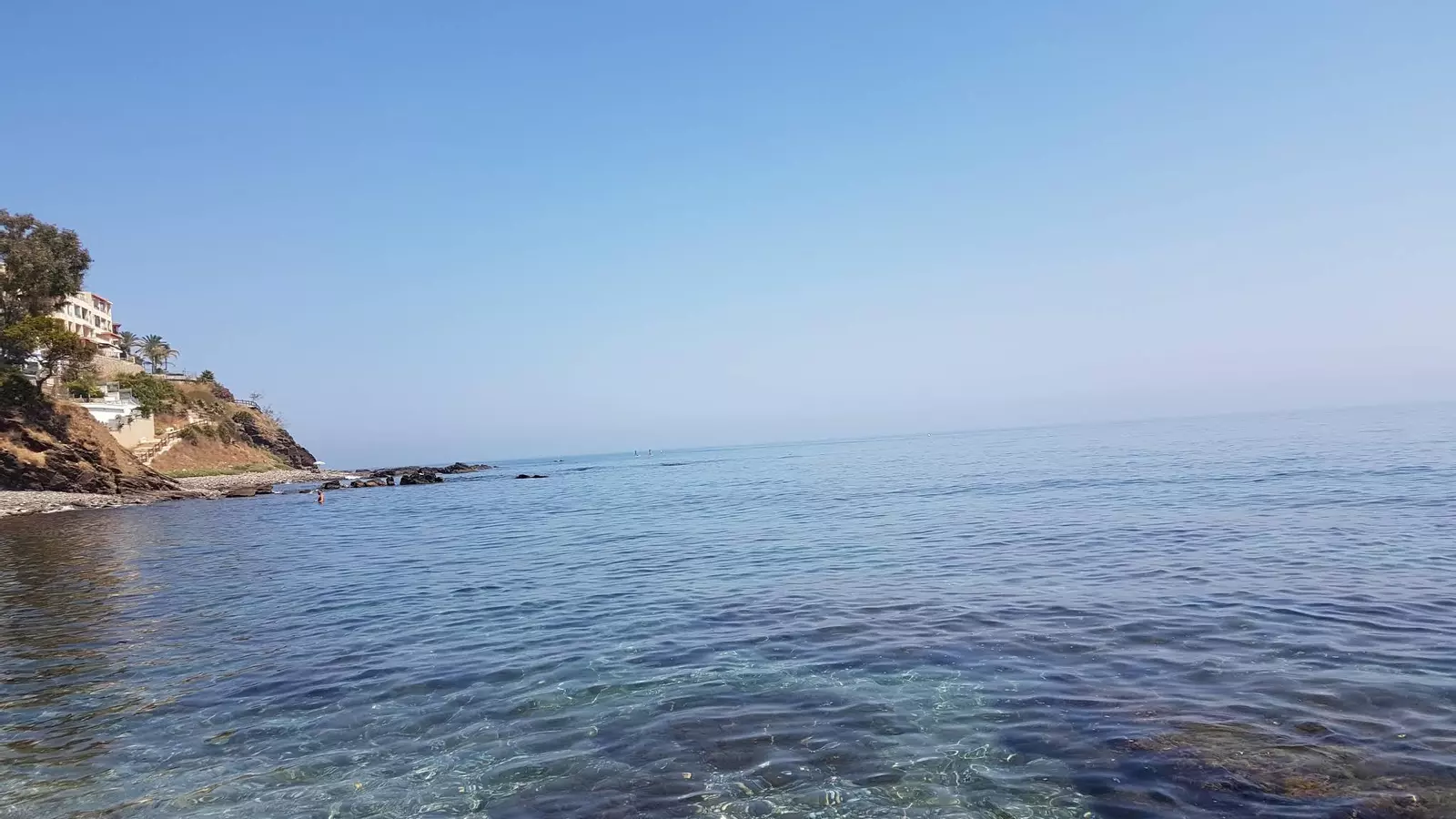

The province of Málaga dazzles not only on the surface. Beneath the waters of its beaches lies a surprising marine universe, full of colors, textures, and shapes that evoke images more typical of tropical reefs than the Mediterranean. Practicing snorkeling on the Malaga coast is an accessible and direct way to delve into this hidden world. With just simple goggles and a snorkel, and when the sea is calm, it is possible to discover schools of fish, rocky formations, submerged caves, seagrass, and even corals. Some corners of the Malaga coastline offer exceptional biodiversity, capable of surprising even the most experienced.
Cala del Cañuelo: a submarine sanctuary in the Maro-Cerro Gordo Natural Park
At the eastern end of the province, Cala del Cañuelo stands as one of the main snorkeling spots in Málaga. Set within the natural landscape of the Cliffs of Maro-Cerro Gordo, its ecological richness is among the highest on the Andalusian coast. Beneath its waters, it is possible to observe orange coral formations—a protected species—, stretches of oceanic posidonia, and a notable variety of colorful fish. This protected environment demands absolute respect for conservation rules but rewards with a submarine experience hard to match in the Mediterranean coast. Diving or snorkeling in this area means immersing in a living ecosystem, where every corner offers a marine postcard worthy of the best documentaries.
Peñón del Cura: rocks and marine life in Mijas
In Las Lagunas de Mijas, the Peñón del Cura beach presents a somewhat rugged profile. Its rocky surface may be uncomfortable for those looking for traditional bathing areas, but this characteristic makes it a prominent spot for marine observation. The submerged topography attracts multiple species and offers sheltered corners where the sea manifests in its most authentic form. The natural conditions of this area call for extreme caution, especially due to the possible presence of fishermen at certain times of the year. Nearby is the Calaburras beach, another alternative valued by recreational diving and snorkeling enthusiasts.
Torrevigía and La Yuca: a rocky coastline in Benalmádena
In Benalmádena, Torrevigía beach stands out for its exceptional marine environment. Its rocky seabeds and reefs close to the shore make this area one of the most interesting stretches for snorkeling enthusiasts. Along the coast, various marine species can be identified, as well as small cavities where octopuses and other Mediterranean ecosystem creatures take refuge. A short distance away is La Yuca beach, offering similar characteristics. The contrast between the water's clarity and the geological formations enriches the visual and sensory experience under the sea.
La Galera: a watchtower guards the depths of Estepona
On the western coast, La Galera beach, in Estepona, offers a diverse landscape both on the surface and under the sea. Its length, over two kilometers, allows for less crowded areas, ideal for snorkeling. The proximity of the watchtower of the same name marks an environment where rocky formations intertwine with sandbanks, creating an ideal habitat for small fish, sea urchins, and algae. On clearer days, visibility allows for exploring these depths with great clarity, making it an attractive destination for those seeking a direct connection with the submarine environment.
Cala del Moral: cliffs, history, and biodiversity in Rincón de la Victoria
La Cala del Moral beach, in Rincón de la Victoria, combines geology and history in the same setting. Surrounded by cliffs and rock formations that continue under the water, this beach is especially recommended for observing the richness of the seabed. The proximity of the Cueva del Tesoro, one of the few subaquatic caves in Europe that can be visited, enhances the interest of the place. In its waters, sandy bottoms mix with rocky structures that encourage the proliferation of fish and small marine invertebrates.

Latest news





Upcoming events
12
Nov
El Desembarco, la traición de Viriato at La Caja Blanca
12
Nov
HOMER El Mero Mero at Sala Trinchera Málaga
13
Nov
Marbella Startup Lab – Innovate & Collaborate
13
Nov
Candlelight: Coldplay & Imagine Dragons at Sala Fundación Unicaja María Cristina
13
Nov
Candlelight: Tribute to Ludovico Einaudi at Anantara Villa Padierna
Similar News

Málaga Airport Makes History with More Than Three Million Passengers in One Month
Málaga

Port of Málaga looks beyond its docks to support future growth
Málaga

Guide to the Virgen del Carmen Processions in Málaga and the Province
Málaga
