


What are the most typical dishes of Malaga and the history behind them?
From ajoblanco to torta loca: recipes with centuries of history that define the taste of MálagaHumble dishes that are now tradition: the surprising origins of the most iconic recipes of Malaga cuisine
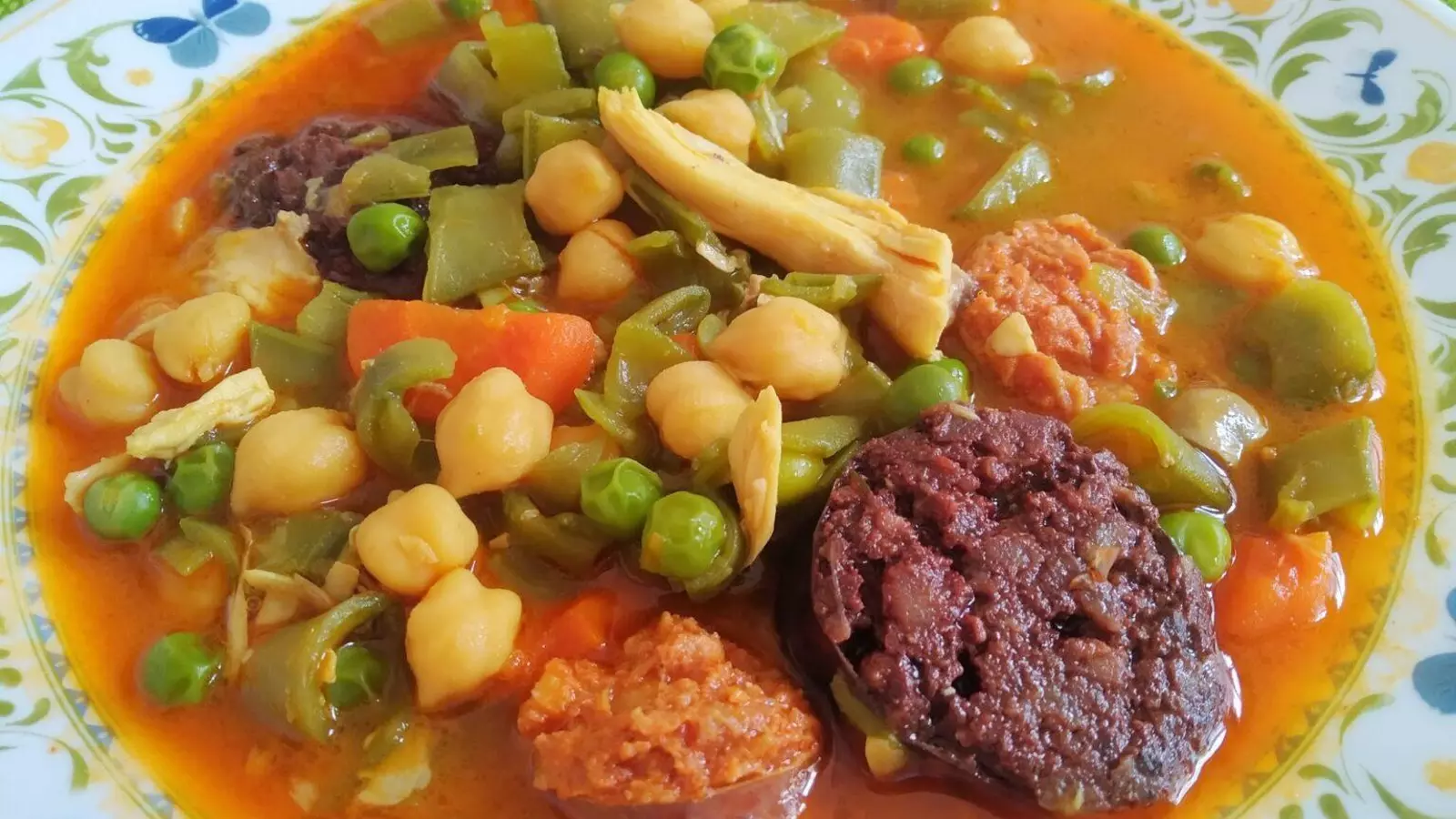

Malaga's cuisine is as vibrant as it is historic. The Malaga recipe book includes a multitude of dishes that have shaped the life and customs of generations. Today, many dishes are still prevalent, reinvented, and revered. We review some of the most typical dishes of Malaga, from cabbage stew to ajoblanco and including the Plato de los Montes, the Malaga salad, and the most characteristic sweet, the Crazy Cake.
Cabbage Stew
The cabbage stew is possibly the most representative dish of traditional Malaga cuisine. This hearty and comforting soup is made with a base of chickpeas to which beef, aged bacon, chicken, blood sausage, chorizo, pumpkin, cabbages (kale and green cabbage), potatoes, carrots, paprika, and salt are added. Variants also include broad beans, chard, or green beans, depending on the pantry and season.
Already in 1867, the cookbook 'The Spanish Cook and the Perfect Cook' mentioned it, confirming its roots in Malaga's tables since the 19th century. Born in the rural environment, this stew was adapted to the conditions of each household, including or omitting ingredients depending on availability. During liturgical periods like Holy Week, a meatless version is typically prepared, maintaining its peasant essence.
Plato de los Montes
During the 1930s, in the old ventas of the Montes de Malaga, muleteers who traveled across the mountains needed hearty dishes to replenish their strength. Thus, the well-known Plato de los Montes was born, a combination of fried egg, pork loin in red lard, chorizo, potatoes, and fried peppers. All these ingredients provided calories and energy for long and hard days.
This dish became synonymous with homemade and robust food, served in a natural setting that today is part of the Natural Park Montes de Malaga. Its composition has remained almost unchanged, being a symbol of traditional venta cuisine.
Crazy Cakes
The origin of the famous “crazy” or “crazy cakes” dates back to the Malaga of the 1950s. During a time when sweets were a luxury for few, a former CD Malaga football player, Eduardo Rubio—a professional pastry chef—designed a cake affordable for all budgets. It consisted of two layers of puff pastry filled with custard cream, glazed with an orange topping, and finished with a cherry.
Inspired by the song “A lo loco se vive mejor,” this sweet quickly gained popularity. Initially named “loco,” the name evolved over the years to become “loca,” and it became an essential in the city's confectioneries.
Ajoblanco
Ajoblanco is one of the most recognizable gastronomic emblems of Malaga. Its origins trace back to ancient times, with theories placing it in the Roman era due to the use of almonds—a key ingredient in classical Hispania—or in Andalusi cuisine, which incorporated the nut in multiple preparations. This humble yet delicious cold soup is made with bread crumbs, almonds, garlic, extra virgin olive oil, vinegar, water, and salt. It was traditionally served with Muscat grapes or raisins, and its economical nature made it common among the working classes.
During the Spanish Civil War, ajoblanco gained even more prominence due to the scarcity of ingredients. Over the centuries, it has maintained its presence in Malaga's cuisine, evolving in family recipes that subtly vary from one home to another. Even Cervantes mentions it in his work, underscoring its deep cultural roots.
Malaga Salad
The Malaga salad is another example of how local products have defined the local recipe book. This dish combines cooked potatoes, desalted cod, orange, boiled egg, Aloreña olives, spring onion, extra virgin olive oil, and vinegar. Its history is linked to the meals that farmworkers took to the fields, with ingredients that could be easily obtained in the surroundings.
Known for its freshness and balanced contrast of flavors, it is consumed both in the warm months and during Lent, as it does not include meat. It represents a cuisine of utilization, tied to the land and the agricultural calendar, where each ingredient had its nutritional and preservation role.

Latest news





Upcoming events
12
Nov
El Desembarco, la traición de Viriato at La Caja Blanca
12
Nov
HOMER El Mero Mero at Sala Trinchera Málaga
13
Nov
Marbella Startup Lab – Innovate & Collaborate
13
Nov
Candlelight: Coldplay & Imagine Dragons at Sala Fundación Unicaja María Cristina
13
Nov
Candlelight: Tribute to Ludovico Einaudi at Anantara Villa Padierna
Similar News

Málaga Airport Makes History with More Than Three Million Passengers in One Month
Málaga

Port of Málaga looks beyond its docks to support future growth
Málaga

Guide to the Virgen del Carmen Processions in Málaga and the Province
Málaga
