


This is the smallest town in Málaga: "It's like something out of a fairy tale, with winding streets and full of flower pots"
Atajate, Among Vineyards, Viewpoints, and White Houses: The Rural Charm of a Village Frozen in TimeMust Museum, Mountain Trails, and Mountain Flavor: Reasons to Get Lost in the Heart of the Genal Valley
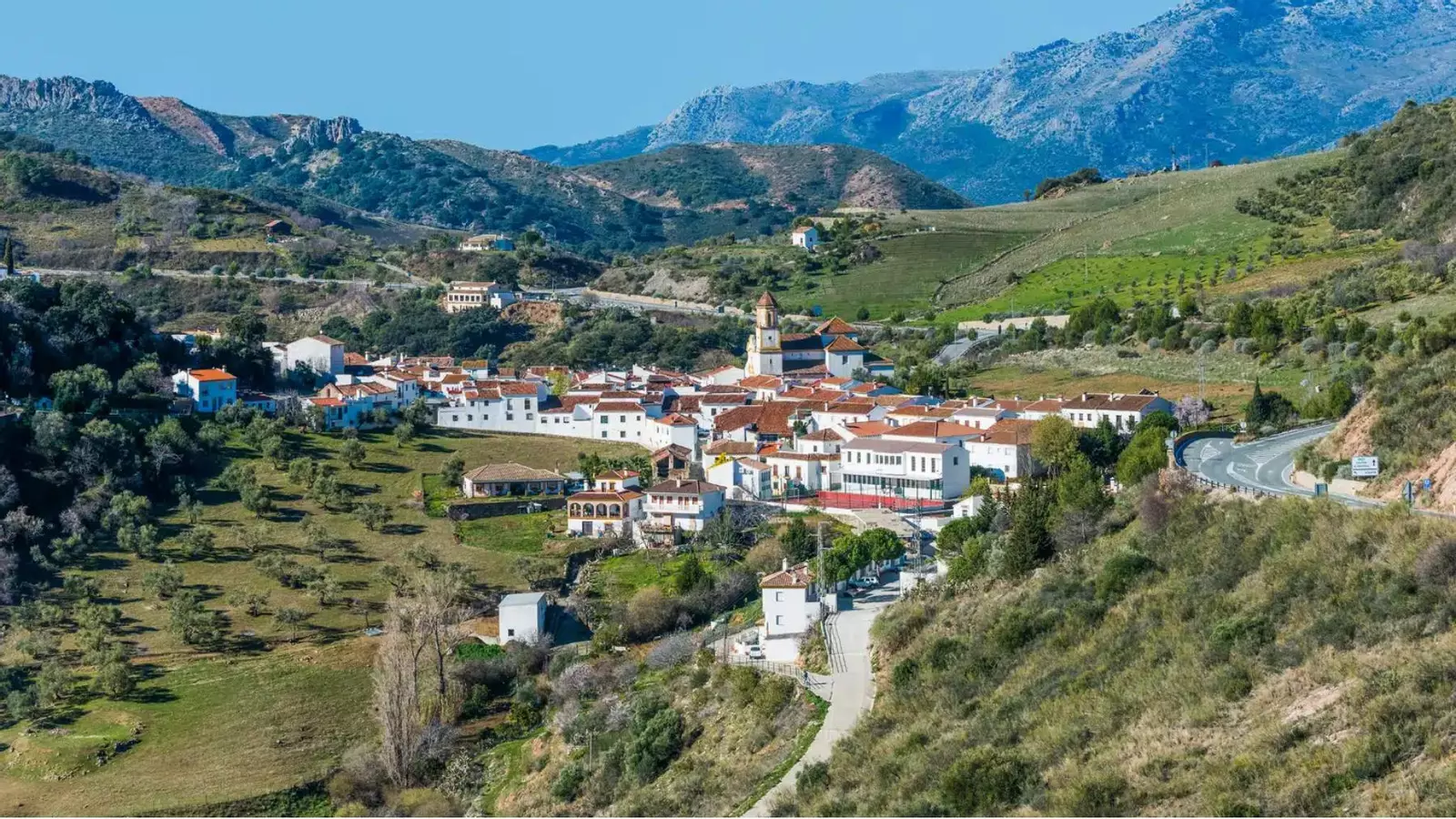

Nestled among the foothills of the Serranía de Ronda, amidst a landscape of ravines, cliffs, and limestone mountains, lies Atajate, the least populated municipality in the province of Málaga. This small village, barely surpassing a hundred inhabitants, offers a serene image frozen in time, with cobblestone streets, whitewashed houses, and pots decorating every corner. Despite its size, Atajate stands out: it is one of the Magical Towns of Spain hosted by the province, and represents one of the most authentic and traditional scenes of inland Málaga.
The history and culture of Atajate are intimately linked to the production of mosto. This beverage, considered the first wine of the harvest, is part of the soul of the municipality. Although the phylloxera plague at the end of the 19th century decimated the vineyards of the region, some still survive in the area, keeping alive an ancestral custom that remains very much a part of the daily life of the village.
The Museo del Mosto, an outdoor space spread throughout the village streets, allows visitors to follow step by step the process of mosto production through mosaics, explanatory texts, and traditional tools. The old press, the large jars, and other utensils offer a valuable testimony to an activity that has shaped the identity of Atajate for generations.
Cobblestone streets, washhouses, and rural heritage
Walking through Atajate means delving into a network of narrow, cobblestone streets, surrounded by houses with white facades and Arab tiles. This popular, simple yet harmonious architecture is complemented by traditional elements like the Public Washhouse, built in 1932 with local stone and lime. This space, which was once a daily meeting point for residents, is fed by the waters of the Fuente de las Perdices, one of the most important springs in the area.
Another symbol of the village is the Stone Cross, a simple limestone structure from the 16th century located in the Plaza de la Constitución, the nerve center of the municipality. Next to it stands the Church of San Roque, built in 1830 on the old village cemetery. These heritage elements preserve the essence of a community that has protected its history.
A tribute to rural women
The streets also highlight the project Atajate with a woman's name, an initiative that pays tribute to the role of women in the rural sphere. In each house, a ceramic plaque commemorates the name of a woman linked to that home, such as grandmothers, mothers, or aunts. This simple gesture is a tribute to the collective memory and strengthens the emotional connection of the inhabitants with their past.
Vibrant nature and scenic routes
The natural environment of Atajate, nestled between the valleys of Guadiaro and Genal, offers one of its greatest riches. Its rugged geography, dotted with limestone formations like the famous ‘Torcal de Atajate’, makes it an ideal destination for those looking to lose themselves among trails and landscapes of great ecological value.
Among the most notable options is the Vía Ferrata de Atajate, a vertical route equipped with steps, bridges, and cables that allows for a safe and exciting mountain experience. Also prominent is the Mirador del Genal, from which one can view the expanse of the valley, with its rolling hills, chestnut groves, and cork oak forests, which in autumn color the landscape in shades of ochre and reddish.
Local gastronomy: flavors of the countryside
Tradition is also tasted. In the restaurants and taverns of the municipality, you can find typical dishes from the Serranía de Ronda cuisine such as goat with garlic, migas, or hot gazpacho. All accompanied, of course, by mosto, the emblem of the locality. These flavors, born from the land and the effort of its people, complete the experience of a village that proudly preserves its roots.
How to get to Atajate
Atajate is located about 120 kilometers from the city of Málaga, and can be accessed by car from the A-357 to Ronda, and from there by the A-369. It is also possible to reach from the coast by taking the A-7 and connecting with the Ronda road. Although the journey may exceed an hour and a half, the trip passes through spectacular landscapes, a prelude to what awaits in this small yet grand village of the Genal Valley.

Latest news





Upcoming events
12
Nov
El Desembarco, la traición de Viriato at La Caja Blanca
12
Nov
HOMER El Mero Mero at Sala Trinchera Málaga
13
Nov
Marbella Startup Lab – Innovate & Collaborate
13
Nov
Candlelight: Coldplay & Imagine Dragons at Sala Fundación Unicaja María Cristina
13
Nov
Candlelight: Tribute to Ludovico Einaudi at Anantara Villa Padierna
Similar News

Málaga Airport Makes History with More Than Three Million Passengers in One Month
Málaga

Port of Málaga looks beyond its docks to support future growth
Málaga

Guide to the Virgen del Carmen Processions in Málaga and the Province
Málaga
