


The village in Málaga where Alfonso XI 'The Just' rested because of its refreshing streets
Cuevas del Becerro is one of the coolest villages in Málaga due to its springs and fountains. During the military campaign of Alfonso XI, this village served as a resting place before his battle in Ronda.
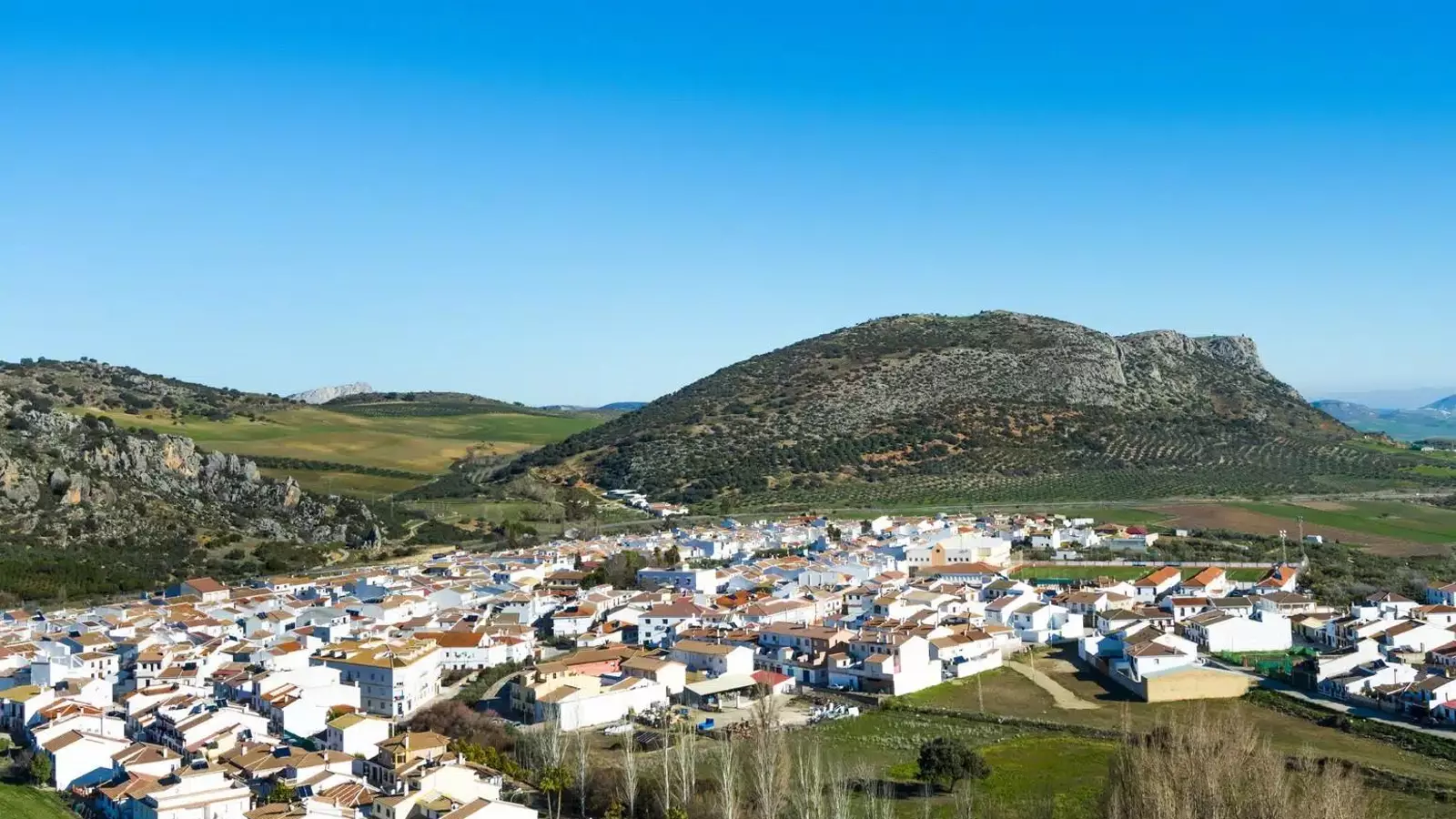

In the heart of the Malaga interior, Cuevas del Becerro emerges as a town with Mozarabic roots and a mountainous soul. Perched on a promontory in the Guadalteba region, this small municipality serves as the northern gateway to the Serranía de Ronda. Its strategic location, natural wealth, and historical legacy make it one of the most distinctive enclaves in the interior of the province of Málaga.
Flanked by the Sierra de Vijan, the Cerro de los Tercios, and the course of the Río de las Cuevas, the surroundings of Cuevas del Becerro combine mountains, valleys, and springs. Among its most unique spots is the area of the Nacimiento, where water powerfully springs from a rocky promontory, creating a natural spectacle of great beauty, especially in autumn, when the spring "breaks." From this point, the Río Cuevas flows through the municipality until it joins the Río Guadalteba.
Cuevas del Becerro not only captivates with its landscape. The town is also part of the peninsula's history. In 1330, during the second military campaign of Alfonso XI against the Nasrid kingdom of Granada, the monarch rested in this village before launching the assault on Ronda. The king's chosen resting place was the Fuente del Nacimiento, a hydraulic complex composed of channels, spouts, and cisterns, which has since become part of the town's historical heritage.
This episode remains etched in the collective memory of the town and helped to reinforce its strategic role as a natural passage between Ronda and Antequera. During that same Christian offensive, Alfonso XI also conquered other nearby towns such as Teba, Ardales, Priego, and Cañete.
A Landscape Shaped by Water and Time
Water has always been an essential element in the daily life of Cuevas del Becerro. The town is dotted with springs that have supplied its inhabitants for generations: the Fuente del Pilar, the Puerta del Sol, the Patio, the Gertrudis, and the Tierno Galván are just a few examples of this living hydraulic heritage.
Moreover, the town preserves traditional structures linked to water use, such as old flour mills and threshing floors. A short distance from the urban center, popular sites like Los Resbalaeros, rock formations used as slides by generations of children, or the mill lookout, which offers a panoramic view of the natural surroundings of the municipality, can also be found.
A Past Dating Back to Prehistory
Archaeological findings in the vicinity of Cuevas del Becerro attest to its long human occupation. On the slopes of Cerro del Castillón, near Fuente del Zorro, and on Cerro de las Palomas, prehistoric remains have been discovered, indicating settlements from very early times.
In addition, Roman vestiges, such as those found at the yacimiento de Las Casas de las Viñas next to the current football field, have been uncovered. Here, remains of an ancient oil mill and an imperial pottery complex with still intact Roman kilns have been preserved. Mosaics, ceramics, stuccos, and coins have also been found, helping to reconstruct the importance of this site during Roman domination.
Monuments, Legends, and a Name with History
Among the main buildings of the municipality stands the Church of San Antonio Abad, located on Real Street. Built in the early 20th century, its interior houses an altar with three semicircular arches and a sculptural ensemble in which the image of San Antonio, accompanied by two calves at his feet, stands out.
Regarding the origin of the town's name, two popular legends exist. One suggests that a golden calf was found in one of the nearby caves. The other tells that a young ox was trapped in a cave and was found thanks to its bellowing. In both versions, the animal—real or mythical—becomes a symbol of the place. Tradition also tells that cattle breeders used to take their cows to the caves where a breeding bull lived, reinforcing the area's livestock character.
How to Get to Cuevas del Becerro
Cuevas del Becerro is located 84 kilometers from the city of Malaga. The car journey takes approximately an hour and a quarter. The most direct access is via the A-357 towards Campillos, connecting later with the A-367 until reaching Andalucía Street in the heart of the municipality.
This corner of the Malaga province, hidden among mountains and springs, offers a different experience for those looking to explore the rural, historical, and natural legacy of Málaga beyond the coast. A town that has witnessed the passage of kings and civilizations, and which still today retains the freshness and calm that captivated Alfonso XI.

Latest news





Upcoming events
12
Nov
El Desembarco, la traición de Viriato at La Caja Blanca
12
Nov
HOMER El Mero Mero at Sala Trinchera Málaga
13
Nov
Marbella Startup Lab – Innovate & Collaborate
13
Nov
Candlelight: Coldplay & Imagine Dragons at Sala Fundación Unicaja María Cristina
13
Nov
Candlelight: Tribute to Ludovico Einaudi at Anantara Villa Padierna
Similar News

Málaga Airport Makes History with More Than Three Million Passengers in One Month
Málaga

Port of Málaga looks beyond its docks to support future growth
Málaga

Guide to the Virgen del Carmen Processions in Málaga and the Province
Málaga
