Blood test to predict Alzheimer's: a new era in prevention begins
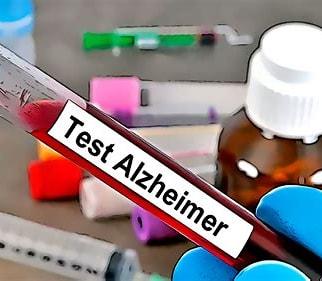

On 16 May, the US Food and Drug Administration (FDA) approved the first blood test to diagnose Alzheimer's disease in people with memory problems. The test, called Lumipulse G, represents a milestone in neurological medicine, as it allows the biological signs of the disease to be detected early, in an accessible and minimally invasive way.
A diagnosis that is more accessible than ever
Until now, identifying Alzheimer's required complex tests such as positron emission tomography (PET), a costly, time-consuming technique that involves exposure to radiation. Another alternative was lumbar puncture, an invasive procedure used to obtain cerebrospinal fluid.
With Lumipulse G, everything changes: all you need is a blood sample. This makes it a fast, safe and easily applicable tool, even in healthcare centres without specialised equipment. It also offers high diagnostic accuracy, opening up new possibilities for early detection.
How does it work?
This test measures two key proteins that are altered in the brains of people with Alzheimer's: p-Tau217, a modified form of the tau protein associated with neuronal damage; and Aβ42, a variant of the beta amyloid protein that forms plaques in brain tissue.
The ratio between these two proteins, known as the p-Tau217/Aβ42 index, is the best available marker for detecting the early presence of amyloid plaques in the brain, a hallmark of Alzheimer's disease.
Although p-Tau217 is directly linked to the tau protein, it also appears to very accurately reflect the accumulation of amyloid plaques in the brain.
In other words, it would capture the neurodegenerative process as a whole.
This biomarker was identified by a team of Swedish scientists in 2020 and has been shown to be 92% accurate in detecting Alzheimer's disease in its very early stages, even before symptoms appear.
Prevention, not just treatment
We are facing a progressive and silent disease: the accumulation of beta-amyloid plaques can begin more than 20 years before the first memory problems appear. During that time, the brain may be damaged without any visible signs. The tau protein accumulates later, in stages closer to cognitive decline.
The most interesting thing about p-Tau217/Aβ42 is that it not only detects the disease early, but is also a dynamic marker: its levels can vary in response to treatments that reduce amyloid plaques or even with regular exercise. This broadens its usefulness, as in addition to facilitating diagnosis and prediction, it allows us to assess whether interventions are having an effect.
We are at the dawn of a new era: personalised Alzheimer's prevention.
Would you like to receive more positive articles like this? Subscribe for free to Good News, our fortnightly newsletter with a selection of optimistic articles to keep you up to date without any upsets or worries.
Who is this test for?
For now, the Lumipulse G blood test is not intended for use in the general population. The test is intended for patients who visit a specialist care centre with signs and symptoms of cognitive decline. The results must be interpreted in conjunction with other clinical information about the patient.
It is mainly recommended for people over the age of 55 who have mild cognitive decline or memory loss, a family history of Alzheimer's or genetic risk factors, such as the APOE4 allele.
Read more: Beyond Alzheimer's: how other lesser-known dementias work
In these cases, the test can be key to making clinical decisions early on. However, it should be a personal and voluntary choice: not everyone wants to know their future risk or confirm a possible diagnosis ahead of time.
Even so, Alzheimer's represents one of the greatest fears associated with ageing for many people. And if there is a way to prevent or slow its onset, this breakthrough could become one of the greatest scientific advances of our time.
Individualised risk profiles
Ultimately, the true potential of the test does not end with diagnosis. By combining biomarker data with medical history, lifestyle and artificial intelligence tools, it will be possible to create individualised risk profiles.
In addition, new drugs are being developed that could be used in people who do not yet have clinical symptoms but are already showing early signs in their biomarkers. The goal is clear: to intervene before the damage is irreversible.
Until now, medicine has been late to the game when it comes to Alzheimer's. Diagnosis occurred when significant deterioration was already present, and available treatments had limited impact. Measuring the p-Tau217/Aβ42 ratio allows us to change that narrative.
We are closer than ever to achieving primary prevention of Alzheimer's, something that until recently seemed unattainable. This marker could become what cholesterol has been for cardiovascular disease: an early warning sign that allows us to act in time.
Hopefully, this test will soon be available in Europe and other countries. Because in the battle against Alzheimer's, every advance counts.
Alzheimer's
neurodegenerative diseases
biomarker

Cláusula de Divulgación
Sonia Villapol no recibe salario, ni ejerce labores de consultoría, ni posee acciones, ni recibe financiación de ninguna compañía u organización que pueda obtener beneficio de este artículo, y ha declarado carecer de vínculos relevantes más allá del cargo académico citado.

Latest news





Upcoming events
12
Nov
El Desembarco, la traición de Viriato at La Caja Blanca
12
Nov
HOMER El Mero Mero at Sala Trinchera Málaga
13
Nov
Marbella Startup Lab – Innovate & Collaborate
13
Nov
Candlelight: Coldplay & Imagine Dragons at Sala Fundación Unicaja María Cristina
13
Nov
Candlelight: Tribute to Ludovico Einaudi at Anantara Villa Padierna