Eating mushrooms can save the planet: why mycology is key to sustainable food

From insects, tofu and seaweed to lab-grown meat, growing pressure to reduce the environmental impact of our food is bringing more and more alternatives to replace traditional meat on our plates.
Some proposals generate enthusiasm, others mistrust and even rejection. Would we dare to eat crickets? Can a vegetable steak taste like beef?
Read more: How many insects would we need to eat to replace meat nutritionally?
In the search for the “ideal food of the future”, there is an option with centuries of history but still relatively unknown. We are referring to fungi, which are finally beginning to get the attention they deserve.

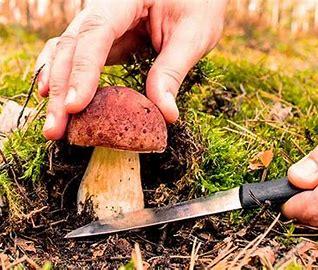
Sometimes ignored, fungi have the power to change humanity. Pexels
Read more: What is the nutritional value of artificial meat?
The fungi kingdom not only offers a delicious culinary accompaniment, but is also a complete, sustainable and easily cultivated source of protein. This innovation, unknown to many, could revolutionise not only our diet but also our relationship with food production.
Like what you're reading? Help us keep publishing.
Donate here
And without the need for sunlight or farm animals!
The food of the future grows in the dark
In a world facing climate crisis, biodiversity loss and a growing population, our food has become an urgent issue to address. Meat production, one of the pillars of the global diet, is one of the most resource-intensive and emission-intensive activities. Faced with this complex scenario, scientists, entrepreneurs and international organisations are looking for alternative solutions that are sustainable, nutritious and scalable.

Livestock farming could find a respite in the use of fungi. Pexels
One of the most promising proposals does not come from the plant or animal kingdom, but from a realm that is often overlooked: fungi. Far from being limited to the mushrooms we find in the supermarket, applied mycology is giving rise to a new type of food called mycoprotein. This is a protein-rich source obtained from filamentous fungi. Silent, efficient and surprising, this form of fungal nutrition could help us redesign the menu of the future.
Read more: Mushrooms are much more than fibre: here's everything they have to offer
Mycoprotein: what is it and why is it so promising?
Mycoprotein is a source of protein obtained from the cultivation of filamentous fungi such as Fusarium venenatum. Unlike mushrooms that are harvested, these fungi are fermented in large bioreactors, with minimal resource consumption. The result is a biomass rich in protein, fibre and micronutrients, with a texture surprisingly similar to meat.
One of the best-known products made from mycoprotein is Quorn. Although it has been available in supermarkets in several countries for decades, interest in this alternative source has skyrocketed in the last year. According to studies, mycoprotein production requires less land and water than traditional livestock farming (with slight differences between pigs and cattle) and generates fewer greenhouse gas emissions.

At a time when we need more sustainable and resilient food solutions, mycoprotein is not only competing with meat, but redefining what we understand by “food”.
Read more: Why the mushrooms we eat are essential for preserving the planet
Growing mushrooms at home or in a skyscraper
Beyond industrial laboratories, edible mushroom production is finding a prominent place in urban and circular environments. There are projects that grow mushrooms on coffee grounds, agricultural waste or recycled cardboard, transforming waste into high-value food. This ability to grow on waste materials positions mushrooms as perfect allies of the circular economy.
Would you like to receive more positive articles like this? Subscribe for free to Good News, our fortnightly newsletter with a selection of optimistic articles to catch up on without any shocks or worries.
In cities such as Paris, London and Buenos Aires, vertical farming initiatives are already using underground spaces or modular structures to grow mushrooms under controlled conditions. It is even possible to do this at home with small kits that allow you to harvest in a few days, without the need for soil or sunlight.
Vertical farming or commercial kits allow us to grow our own mushrooms at home. Pexels
At the same time, start-ups and innovation centres are developing fungal biotechnologies that integrate cultivation and processing into compact, scalable systems. This innovation predicts a future in which producing mushrooms could be as common as baking bread. And perhaps, in the not-too-distant future, just as necessary.
Read more: Can we predict wild mushroom harvests?
A menu with a taste of mycelium?
Although the benefits of mycoprotein are numerous, its widespread incorporation into the global diet still faces challenges, including cultural barriers, lack of knowledge and resistance to change.
For many, eating ‘mushrooms grown in tanks’ sounds like a strange idea, even though similar products we consume on a daily basis — such as bread and yoghurt — are also the result of fermentation.
However, more and more chefs, nutritionists and consumers are rediscovering the culinary potential of the fungal kingdom. From meat-textured vegetable steaks to protein snacks and seafood substitutes, mushrooms are proving that they can be delicious, versatile and, above all, sustainable!
Perhaps the future of our food is not only about reducing meat consumption, but also about embracing new alternatives that have been around for millions of years. Let's not forget that when we eat mushrooms, we are not only nourishing our bodies, but also cultivating a more just, diverse and resilient world.
sustainability
mushrooms
food

Cláusula de Divulgación
Sergio Fuentes Antón no recibe salario, ni ejerce labores de consultoría, ni posee acciones, ni recibe financiación de ninguna compañía u organización que pueda obtener beneficio de este artículo, y ha declarado carecer de vínculos relevantes más allá del cargo académico citado.
Nuestros socios


Latest news





Upcoming events
12
Nov
El Desembarco, la traición de Viriato at La Caja Blanca
12
Nov
HOMER El Mero Mero at Sala Trinchera Málaga
13
Nov
Marbella Startup Lab – Innovate & Collaborate
13
Nov
Candlelight: Coldplay & Imagine Dragons at Sala Fundación Unicaja María Cristina
13
Nov
Candlelight: Tribute to Ludovico Einaudi at Anantara Villa Padierna