


Soaring Housing Costs Slow Málaga’s Population Growth After Years of Record Expansion
Málaga province continues to attract new residents and now has more than 1.82 million inhabitants, but its growth rate has slowed considerably. Rising housing costs are emerging as one of the main explanations for a trend that is also affecting the arrival of foreign residents.
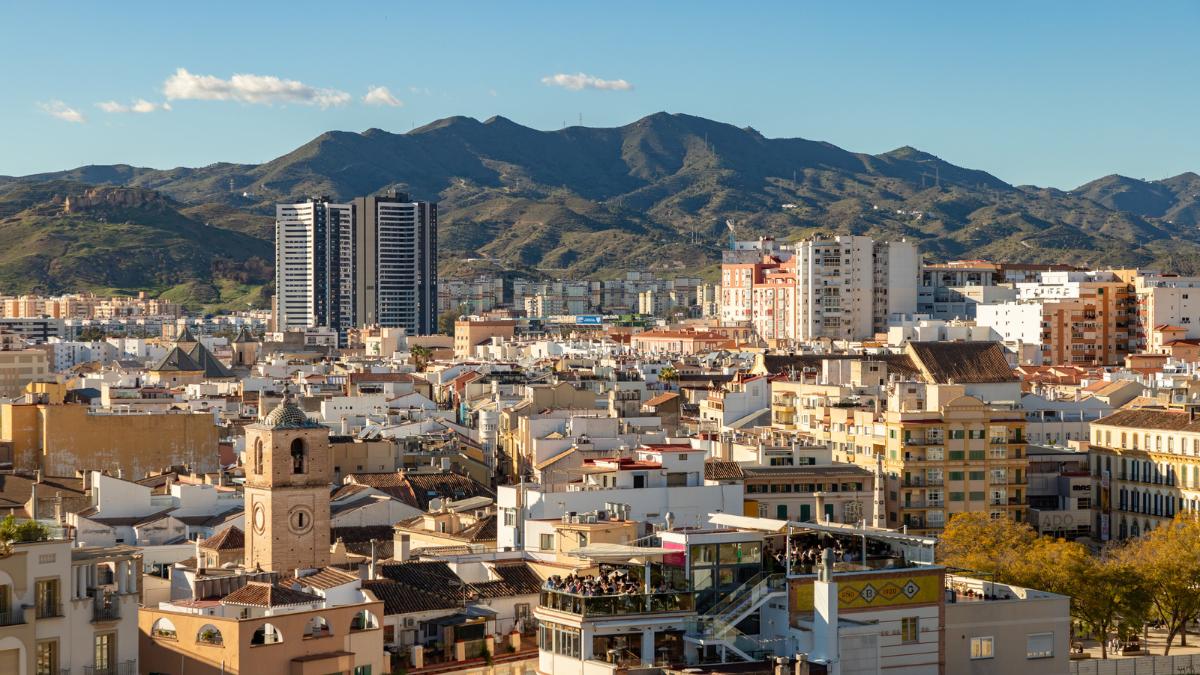

Málaga is still growing, but more slowly
Málaga’s rapid population expansion is beginning to lose momentum. The province continues to gain residents, but growth has slowed significantly following several record-breaking years.
On 1 October 2026, Málaga province had 1,822,763 inhabitants. This represents an increase of 14,883 people, or 0.82%, compared with the same date a year earlier.
The figure remains positive, particularly when many other parts of Spain are experiencing demographic stagnation. However, it is well below the increases recorded in the years immediately following the pandemic.
The province added more than 34,000 inhabitants in 2023. Since then, annual growth has gradually fallen to fewer than 15,000 additional residents.
How population growth has slowed
The figures from recent years show a clear change:
- 2022: 34,258 additional residents, representing 2% growth.
- 2023: 26,308 more residents, up 1.51%.
- 2024: 18,050 more residents, up 1.02%.
- 2025: 19,517 more residents, up 0.95%.
- 2026: 14,883 more residents, up 0.82%.
Málaga province has added more than 113,000 residents over the past five years and approximately 180,000 over a decade. Nevertheless, the extraordinary post-pandemic expansion appears to be returning to more moderate levels.
Between July and October 2026, the province lost 137 residents. Although this is a small decline, it is notable because quarterly population falls have been extremely unusual in Málaga during the past decade.
Housing is becoming a barrier
Housing costs are among the clearest possible explanations for the slowdown. Málaga has become one of Spain’s most expensive property markets, particularly in the provincial capital, the metropolitan area and the Costa del Sol.
The average price of free-market housing reached €3,083.50 per square metre during the second quarter of 2026, following an annual increase of 13.8%.
Later market indicators placed average prices close to €3,300 per square metre, with several coastal municipalities recording substantially higher figures.
These costs make it difficult for existing residents and for people considering moving to Málaga for work. The problem no longer affects only low-income households. Skilled professionals, public service employees and essential workers are also struggling to find suitable accommodation.
Málaga needs more homes
Housing supply has not expanded at the same pace as population and demand. Property sector estimates suggest that Málaga needs approximately 16,000 new homes each year, while current production reaches only around half that number.
A shortage of available land, slow planning procedures, construction costs and an insufficient supply of affordable housing make it difficult to correct the imbalance.
As a result, rent absorbs an increasing share of household income, while buying a home requires savings that many residents cannot accumulate.
Residents look beyond Málaga city
Rising prices are also changing where people live. Many workers are searching for housing outside Málaga city and the Costa del Sol’s most expensive municipalities.
However, affordability problems have spread across the metropolitan area. Mijas, Fuengirola, Benalmádena, Torremolinos, Rincón de la Victoria and Alhaurín de la Torre have all experienced substantial price increases.
Mijas has increased its population by almost 20% over the past decade and now records housing values above €3,300 per square metre. Marbella is even more expensive, exceeding €4,500 per square metre according to some indicators.
As prices increase in the metropolitan area, residents move farther away. This creates longer daily commutes and places additional pressure on roads and public transport.
Foreign population growth also slows
Foreign residents have been a major driver of Málaga’s population growth. Over the past five years, the foreign population has increased by more than 84,000 people, compared with approximately 28,000 additional Spanish residents.
This growth is now losing momentum. In 2022, the foreign population increased by almost 10%, adding approximately 27,450 people. In 2026, the increase fell to 3%, equivalent to around 10,174 residents.
Housing costs are only one possible explanation. Employment, taxation, the availability of long-term rentals and competition from other European destinations may also influence decisions about moving to Málaga.
Annual growth of 30,000 people was difficult to sustain
The slowdown does not necessarily mean that Málaga is losing its appeal. The province continues to gain residents and retains major advantages, including its international airport, climate, connectivity, tourism industry and increasingly diverse economy.
Post-pandemic growth was boosted by remote working, digital nomads and demand for destinations offering a high quality of life. However, adding between 20,000 and 30,000 residents every year creates substantial pressure.
Population growth increases demand for housing, water, energy, healthcare, schools, roads and public transport. If services and infrastructure fail to expand at the same pace, rapid growth can undermine living standards.
An economic as well as a social problem
The shortage of affordable housing also affects businesses attempting to recruit staff and attract professionals from other regions.
Workers may reject job offers when salaries are insufficient to cover local rents. This is particularly relevant to hospitality, retail, healthcare, education, construction and the technology sector.
Málaga’s challenge is to preserve its economic and demographic appeal without forcing out the people who already live and work in the province. Increasing housing supply, developing protected homes, accelerating planning procedures and improving metropolitan transport will be crucial.
Málaga is still growing, but the slowdown confirms that its attractiveness can no longer be separated from the cost of living there.

Latest news

Upcoming events
22
Nov
ODISEA – Film Symphony Orchestra: The Greatest Film Soundtracks Live in Concert
22
Nov
Candlelight: Tribute to Hans Zimmer at Gran Hotel Miramar
22
Nov
Candlelight: Vivaldi's Four Seasons at Gran Hotel Miramar
23
Nov
Drive Your Plow Over the Bones of the Dead – Teatro Echegaray, Málaga
25
Nov
La Cubana – La cuisine de ma cousine in Málaga
Similar News

Andalusia’s reservoirs gain water after six months of decline
Provincia de Málaga

Postal voting for Spain's November 29 general election: final days to apply in Málaga
Provincia de Málaga

Malaga’s November 11 strike draws a huge housing protest but causes limited disruption
Provincia de Málaga
