Benefits (and Some Risks) of Incorporating Seaweed into Our Diet
Algae in Our Diet
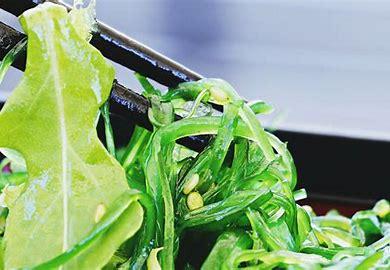

When talking about seaweed (macroalgae) in the field of food, it is inevitable not to associate it with Asian cuisine, where its use has been deeply rooted in the culinary tradition for centuries.
In countries such as China, Korea and Japan, seaweed is a common part of the daily diet, used both as a condiment and as a main ingredient in a wide variety of dishes.
In recent years, however, these vegetables have become increasingly popular in Western society. Thus, it is becoming more and more common for them to be used as a base for salads, soups or sushi, both in restaurants and in the home.
Among the best known and most widely consumed species are nori seaweed (commonly used for sushi wraps), wakame (popular in salads) and kombu (used to prepare stews and broths).
Rich in macro and micronutrients
If, on the one hand, seaweeds are perfectly integrated in gastronomy - especially in Asian cuisine - from a nutritional point of view, they are also arousing considerable and growing interest. There is no shortage of reasons for this, as they are nutrient-rich foods.
In particular, seaweed contains an interesting amount of micronutrients, e.g. several B vitamins and minerals such as iodine and iron.
In addition, they have proteins, and although their presence varies between varieties, some species of red algae have a high protein value.

Macroalgae also contain essential polyunsaturated fatty acids such as omega-3, particularly eicosapentaenoic acid (EPA) and docosahexaenoic acid (DHA). In addition, they are high in fibre and low in calories, characteristics that contribute positively to health.
Finally, they contain antioxidants such as polyphenols. These are molecules capable of counteracting oxidative stress, a process that damages the body's cells, accelerates ageing and promotes the onset of various diseases.
Your health and that of the planet
In addition to their nutritional benefits, it is also important to note that marine macroalgae stand out for their value in terms of environmental sustainability.
Not only do they have a low carbon footprint, releasing little CO₂ (carbon dioxide), but they also contribute to mitigating the acidification of seas and oceans, a phenomenon that seriously threatens marine ecosystems and the diversity of organisms they harbour.
In addition, unlike other forms of agricultural or livestock production, macroalgae do not require arable land, fertilisers or fresh water, which significantly reduces their ecological impact.
This has prompted the European Union to promote research into seaweeds, increasing scientific knowledge about their properties and encouraging public acceptance of them.
Which ones do and which ones don't?
Despite the health benefits of seaweed, we should be cautious, as many species, such as kombu seaweed, may contain excess iodine, which means that they are not suitable for everyone.
High levels of this mineral in the body can affect the function of the thyroid gland, so people with thyroid disorders or who take medication containing iodine should avoid consuming them.
It is also not recommended for children, pregnant women and breastfeeding women, as the effects of excess iodine on these groups are not yet well known.
It is also important to point out that seaweed has the capacity to accumulate heavy metals present in the marine environment, such as mercury, arsenic, cadmium and lead, which could represent a potential health risk for consumers.
in this respect, the Spanish Agency for Food Safety and Nutrition (AESAN) advises against the consumption of the hiziki variety, easily identifiable by its black colour and filamentous appearance, due to its high arsenic content.
However, it should be noted that this situation does not affect all seaweed species equally, and that the levels of heavy metals can vary significantly depending on the geographical origin and conditions of the marine environment from which they are harvested.
An option with pros and some cons
In short, marine macroalgae are establishing themselves as a valuable food, both for their nutritional contribution and their potential in terms of sustainability.
However, we should not forget that, although they are an interesting choice, their consumption is not risk-free. It is therefore not recommended to be consumed in excess or by the entire population.
Moreover, more research is still needed to establish rigorously to what extent and from which specific seaweed species and origins they can be safely incorporated into the human diet.
Further progress is also needed in the development of effective strategies to minimise or eliminate the presence of toxic compounds, thus ensuring the safety of consumption of these foods.
Autoría

Profesora en la Universidad del País Vasco. Investigadora del grupo Nutrición y Obesidad del Centro de Investigación Biomédica en Red de la Fisiopatología de la Obesidad y Nutrición (CiberObn) y del Instituto de Investigación Sanitaria Bioaraba, Universidad del País Vasco / Euskal Herriko Unibertsitatea

Estudiante predoctoral, Grupo Nutrición y Obesidad, Universidad del País Vasco/Euskal Herriko Univertsitatea, Universidad del País Vasco / Euskal Herriko Unibertsitatea

Catedrática de Nutrición. Centro de Investigación Biomédica en Red de la Fisiopatología de la Obesidad y Nutrición (CIBERobn), Universidad del País Vasco / Euskal Herriko Unibertsitatea
Cláusula de Divulgación
Las personas firmantes no son asalariadas, ni consultoras, ni poseen acciones, ni reciben financiación de ninguna compañía u organización que pueda obtener beneficio de este artículo, y han declarado carecer de vínculos relevantes más allá del cargo académico citado anteriormente.

Latest news





Upcoming events
12
Nov
El Desembarco, la traición de Viriato at La Caja Blanca
12
Nov
HOMER El Mero Mero at Sala Trinchera Málaga
13
Nov
Marbella Startup Lab – Innovate & Collaborate
13
Nov
Candlelight: Coldplay & Imagine Dragons at Sala Fundación Unicaja María Cristina
13
Nov
Candlelight: Tribute to Ludovico Einaudi at Anantara Villa Padierna