


Schedules According to the Heat and Limits on the Rope: Updates on the Donkey Taxi Regulations in Mijas
The City Council reminds that services cannot be provided during orange or red alerts, and recommends that the animal restraint be at least 50 centimeters long.
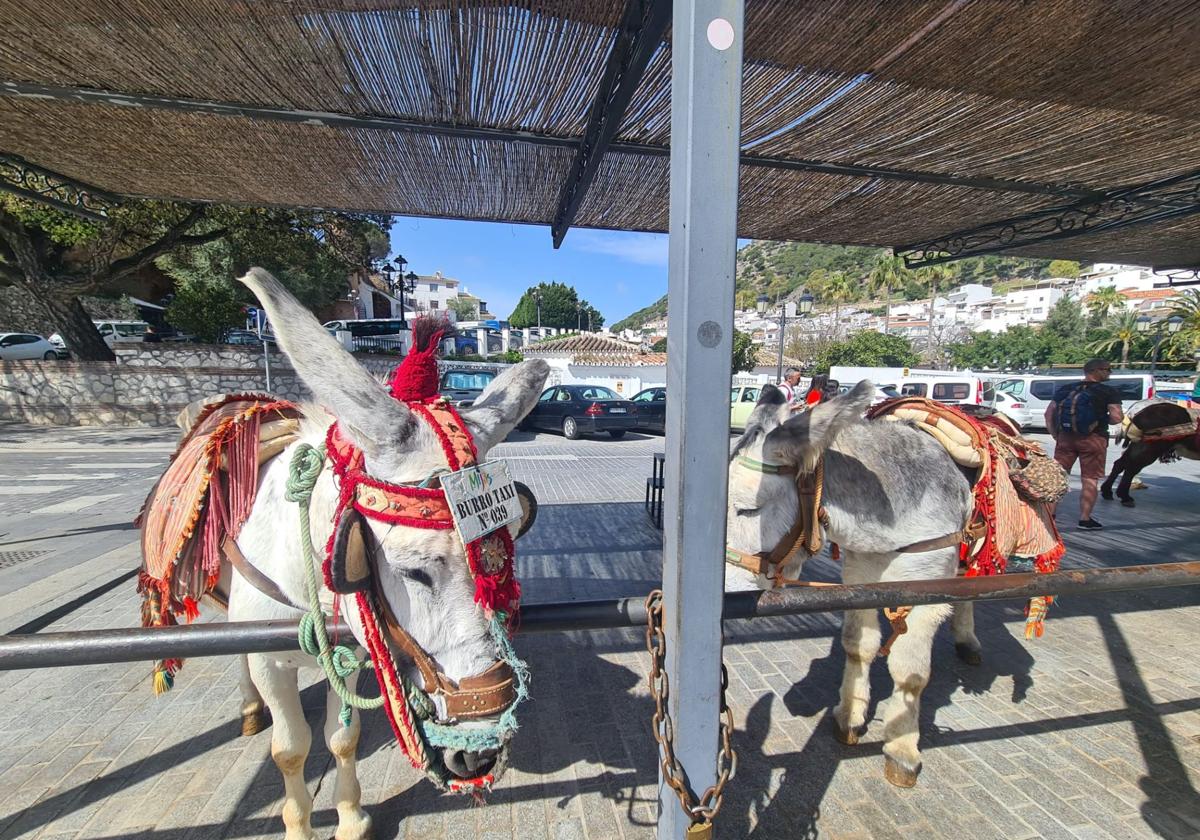

The Mijas Town Hall has issued a new decree to regulate donkey taxis and horse-drawn carriage services, which complements and updates the one published in August 2024.
Essentially, it compiles in a single document the various measures and recommendations that have been adopted over the past few months, all before the start of the high tourist season and the rise in temperatures, which annually sparks controversy in this municipality due to constant complaints from animal protection groups and some local residents.
The document, signed by the town's mayor, Ana Mata, is based on three main pillars. The first reminds that the route and schedules of the service can be modified with the aim of preserving the health of the animals and the carriage drivers and muleteers. Thus, the decree mentions that, in case Aemet activates the yellow warning for high temperatures, the service should not be provided between 2:00 PM and 6:00 PM; while in orange or red warnings, the service will be directly suspended as long as it remains active.
In the second point, the municipal decree refers to the collection of excrement, for which it refers to what is stipulated in the ordinances. For this reason, it recommends the use of preventive collection systems attached to the animal to prevent droppings from falling on the ground, while reminding that failure to comply with this obligation constitutes a serious offense, punishable by a fine of between 750 euros and 1,500 euros.
Lastly, it includes the recommendation that the rope by which the animals are tied at stops and rest areas, as well as while they are attached to the cart during their routes, should be at least 50 centimeters long to ensure "a minimum standard of freedom of movement and well-being for the animals."

Latest news





Upcoming events
12
Nov
El Desembarco, la traición de Viriato at La Caja Blanca
12
Nov
HOMER El Mero Mero at Sala Trinchera Málaga
13
Nov
Marbella Startup Lab – Innovate & Collaborate
13
Nov
Candlelight: Coldplay & Imagine Dragons at Sala Fundación Unicaja María Cristina
13
Nov
Candlelight: Tribute to Ludovico Einaudi at Anantara Villa Padierna
Similar News

A survival camp in Mijas teaches children how to make fire and build shelters
Mijas

Sarao Nights Returns to La Zambra Resort with a Launch Party Headlined by Daisy Dee
Mijas

Mijas will celebrate a jazz night to benefit the Food Bank
Mijas
