A Healthy Return to School: Seven Habits for Starting the Year with Energy
Restoring sleep schedules, preparing balanced breakfasts, checking backpack weight and leaving time for play are among the keys to helping children adjust to their school routine.
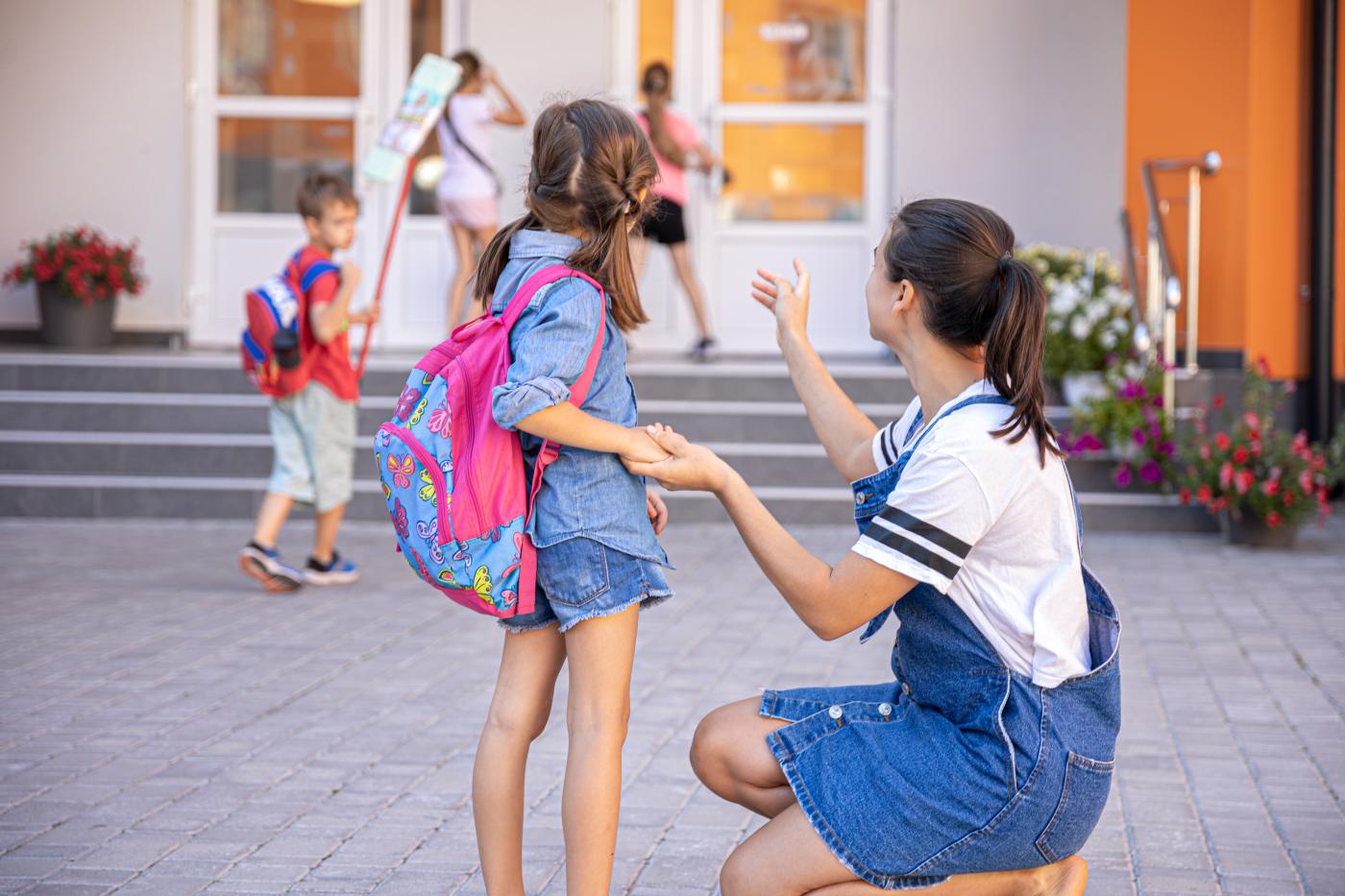

A Healthy Return to School Begins at Home
The start of the school year involves more than buying books, uniforms and stationery. After a summer of flexible schedules, children need to gradually rebuild routines that allow them to return to the classroom rested and ready to learn.
Trying to change every habit on the night before school begins can make the first few days difficult for the entire family. The transition should be gradual and focus on sleep, food, physical activity and emotional wellbeing.
Gradually Restore Sleep Schedules
Moving bedtime and wake-up time forward by 15 to 20 minutes during the days before school can help the body adjust.
Sleep requirements vary according to age, but maintaining a regular schedule is essential. Insufficient sleep can lead to tiredness, irritability, poor concentration and difficulties performing throughout the school day.
Reducing the use of phones, tablets and video games before bedtime is also advisable. Preparing clothes and packing the school bag the previous evening can make mornings calmer and less rushed.
Prepare a Simple, Balanced Breakfast
A healthy breakfast does not need to be complicated. Fruit, wholegrain bread or cereal and a dairy product can be combined with foods such as olive oil, egg, fresh cheese or nut butter when suitable for the child’s age.
Wholegrain toast with tomato and olive oil, natural yoghurt with oats and fruit or a small cheese sandwich are quick options for school mornings.
If a child is not hungry immediately after waking up, offering a light breakfast and completing it with a healthy mid-morning snack may be preferable to forcing a large meal. Fruit, natural yoghurt and small sandwiches are generally better everyday choices than pastries, biscuits, milkshakes and sugary cereals.
Water should be the usual drink. Fruit juice, even when marketed as natural, does not provide the same benefits as eating a whole piece of fruit.
Check the Weight of the Backpack
A school backpack should weigh no more than approximately 10% to 15% of a child’s body weight. A child weighing 25 kilograms, for example, should generally carry between 2.5 and 3.75 kilograms.
Families should also pay attention to the way the child walks. Leaning forward, becoming tired quickly or experiencing discomfort when carrying the bag may indicate that it is too heavy.
Backpacks should be worn using both straps, adjusted correctly and positioned close to the back. The heaviest books and objects should be placed nearest the body. Checking the contents every week can prevent children from carrying unnecessary materials.
Persistent back pain, nighttime discomfort, tingling or pain that limits physical activity should be assessed by a healthcare professional.
Encourage Outdoor Activity and Visual Breaks
Lessons, homework and electronic devices increase the amount of time children spend focusing on nearby objects. Short, frequent breaks can help reduce eye strain.
One simple approach is to look away every 20 minutes and focus on a distant object for around 20 seconds. Standing up, walking briefly and blinking consciously can also help rest the eyes.
Outdoor play and physical activity support muscle development, bone health, sleep and emotional wellbeing. They also compensate for the many hours children spend sitting during the school day.
Reduce Infections Without Relying on Supplements
Colds and other respiratory infections often become more common when children return to school, particularly among younger pupils. Regular handwashing, ventilating indoor spaces and avoiding the sharing of bottles, glasses and cutlery can reduce transmission.
Vitamin supplements should not be used automatically to “strengthen the immune system”. Healthy children following a varied diet should only take them when a specific need has been identified and a healthcare professional recommends them.
Pay Attention to Children’s Emotions
Returning to school can create anxiety, fear or uncertainty. These emotions sometimes appear as headaches, stomach discomfort or sleeping difficulties.
Such symptoms should not be dismissed or immediately treated as an excuse. Talking to children, asking how they feel and maintaining predictable routines can help families identify the cause.
If the discomfort persists, becomes more severe or interferes with school attendance and everyday activities, medical advice should be sought.
Avoid an Overloaded Schedule
Going back to school does not mean that every afternoon must be filled with homework and organised activities. Children also need time to play, read, rest or simply be bored.
After-school activities should reflect the child’s interests and the demands of the academic year. Leaving some free time during the week prevents daily life from becoming a continuous series of obligations.
A healthy return to school does not require a radical transformation of family life. The objective is to gradually restore sustainable routines built around sufficient sleep, balanced food, physical activity and emotional support.
These recommendations are consistent with guidance from the Spanish Association of Paediatrics on school backpacks, healthy eating information from the Spanish Agency for Food Safety and Nutrition and the World Health Organization’s physical activity guidance.

Latest news





Upcoming events
17
Sep
La Pequeña Cuba Gastro-Cultural Festival in San Pedro Alcántara 2026
18
Sep
World Wellness Weekend Marbella 2026
18
Sep
Candlelight: Queen vs. ABBA in Málaga
18
Sep
Candlelight: Coldplay and Imagine Dragons in Málaga
18
Sep
3 de Corazones – Pancho Céspedes, Enrique Ramil and José Luis Jaén in Málaga
Similar News

Free Things to Do in Málaga for World Tourism Day 2026: Museums, Tours and an AI Workshop
Málaga