


Marbella Castle rewrites its history: Roman remains and a 12th-century Almohad cesspit discovered
More than a decade of research and eleven archaeological excavations have provided a clearer picture of the evolution of one of Marbella Old Town’s most important monuments, revealing occupation and transformation across several historical periods.
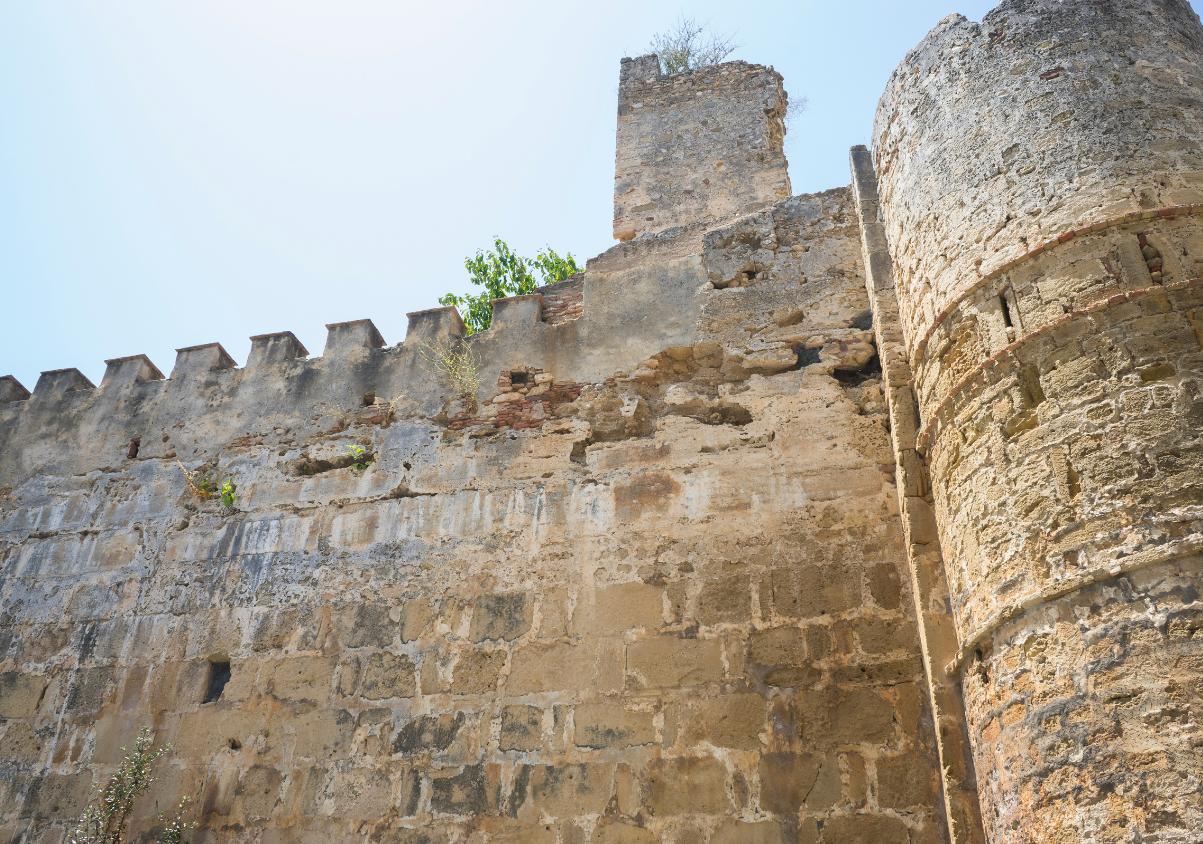

Marbella Castle continues to uncover new chapters of the city’s past. After more than a decade of archaeological work, investigations at the site have revealed a far more complex history than can be seen simply by looking at its surviving walls.
Since research linked to the Castle’s Master Plan began, archaeologists have carried out eleven excavations, alongside a range of scientific and architectural studies. The results point to a long sequence of occupation that includes both Roman and medieval remains, providing new clues about the development of what is now Marbella’s Old Town.
Roman remains offer new clues about Marbella’s origins
One of the most significant discoveries came during the first archaeological surveys, when researchers uncovered remains of a Roman-period structure.
The finding broadened understanding of the origins of this part of Marbella, which had traditionally been associated primarily with its Islamic past.
The castle remains one of the most important surviving traces of Muslim Marbella, but archaeology has demonstrated that the ground beneath and around the fortress preserves evidence from much earlier periods.
This means the site is much more than a medieval fortification. It is also an archaeological record containing information about different stages in Marbella’s urban history.
A 12th-century Almohad cesspit is the latest major discovery
The 2026 archaeological campaign focused on an excavation in the courtyard of Nuestra Señora del Carmen school, within the castle area.
Researchers were able to reach the natural geological level and document the complete archaeological sequence at this point, identifying five different historical phases.
Among the most important discoveries was an Almohad-period cesspit dating from the second half of the 12th century.
A large quantity of pottery was recovered from inside it, including several complete pieces. These finds can provide valuable information about the everyday lives of people who occupied this part of Marbella around eight centuries ago.
Archaeology goes far beyond excavation
Understanding Marbella Castle has involved much more than simply digging into the ground.
Over the years, specialists have combined numerous techniques, including ground-penetrating radar surveys, mortar analysis, dating tests, studies of the walls, topographical surveys and photogrammetry.
These methods allow researchers to examine both buried remains and the standing fortifications.
Changes in construction materials, repairs and building techniques can help specialists determine when particular sections of the walls were altered and how the fortress evolved over time.
This accumulation of different historical layers is precisely what makes Marbella Castle so important archaeologically. Rather than belonging to a single period, it reflects centuries of occupation, rebuilding and reuse.
A historic monument in the heart of Marbella Old Town
Unlike fortresses located outside modern urban centres, Marbella Castle remains fully integrated into the historic heart of the city.
Its surviving walls form part of the everyday landscape of the Old Town, surrounded by streets, homes and buildings in one of Marbella’s most visited areas.
What visitors can see today is therefore only the visible part of a much larger archaeological site.
Beneath courtyards, buildings and surrounding spaces, further archaeological layers may still contain evidence capable of explaining how Marbella developed before and after the construction of its medieval fortress.
From Roman occupation to medieval Marbella
The discoveries made since archaeological investigations began have gradually created a more complex picture of the site.
Roman remains point to occupation before the Islamic fortress was constructed, while medieval structures and artefacts reveal the later transformation of the area.
Following the Christian conquest of Marbella in 1485, the castle continued to serve defensive and surveillance functions before gradually losing its military importance over the following centuries.
Archaeology is now allowing specialists to reconstruct these different periods in far greater detail.
A site that may still hold more secrets
The completion of this phase of archaeological research does not mean the history of Marbella Castle has been fully uncovered.
On the contrary, the results obtained over more than a decade demonstrate the considerable archaeological potential still preserved within the fortress and its surroundings.
Roman structures, different building phases and the discovery of an Almohad cesspit containing 12th-century ceramics all show how much information remains beneath Marbella’s Old Town.
The real value of the project lies in being able to read Marbella through its archaeological layers, from the earliest structures identified so far to the medieval fortress that still forms part of the city centre today.
After eleven excavations and years of scientific analysis, Marbella Castle can no longer be seen simply as a surviving medieval wall. It has become a key site for understanding the city’s urban development and the communities that lived here centuries before Marbella became one of the Mediterranean’s best-known tourist destinations.
Full details of the archaeological research and the latest discoveries can be found in the official information published by Marbella Town Hall’s Culture Department.

Latest news





Upcoming events
12
Nov
El Desembarco, la traición de Viriato at La Caja Blanca
12
Nov
HOMER El Mero Mero at Sala Trinchera Málaga
13
Nov
Marbella Startup Lab – Innovate & Collaborate
13
Nov
Candlelight: Coldplay & Imagine Dragons at Sala Fundación Unicaja María Cristina
13
Nov
Candlelight: Tribute to Ludovico Einaudi at Anantara Villa Padierna
Similar News

Marbella introduces new rubbish disposal hours from November 1: updated times, recycling rules and fines
Marbella

Marbella postpones Halloween celebrations to November 1 following national mourning for Toledo train crash victims
Marbella
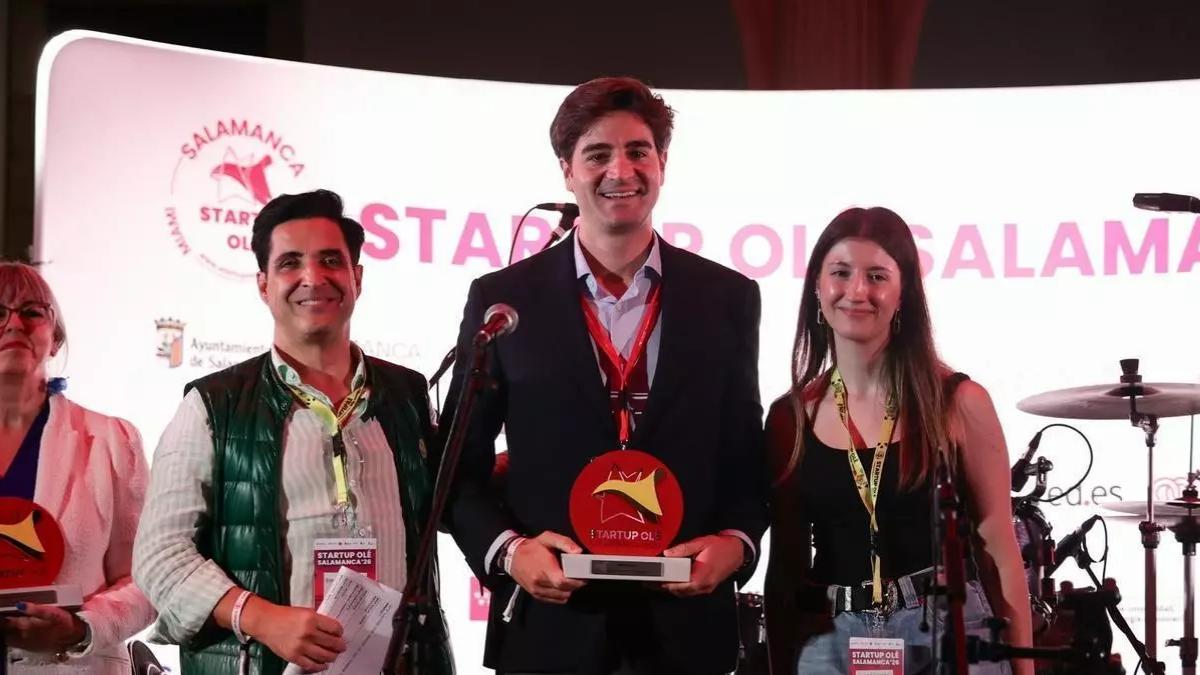
Marbella wins ‘Best Hub’ award at Startup OLÉ Salamanca for its innovation strategy
Marbella
