


How Wines Are Made in the Serranía de Ronda: Tradition, Precision and Craftsmanship
The grape harvest marks the beginning of a meticulous process in which every bunch is examined, cooled and transformed with precision. Wineries such as Cortijo Los Aguilares and F. Schatz show how different artisanal techniques enrich the winemaking identity of the Serranía de Ronda.
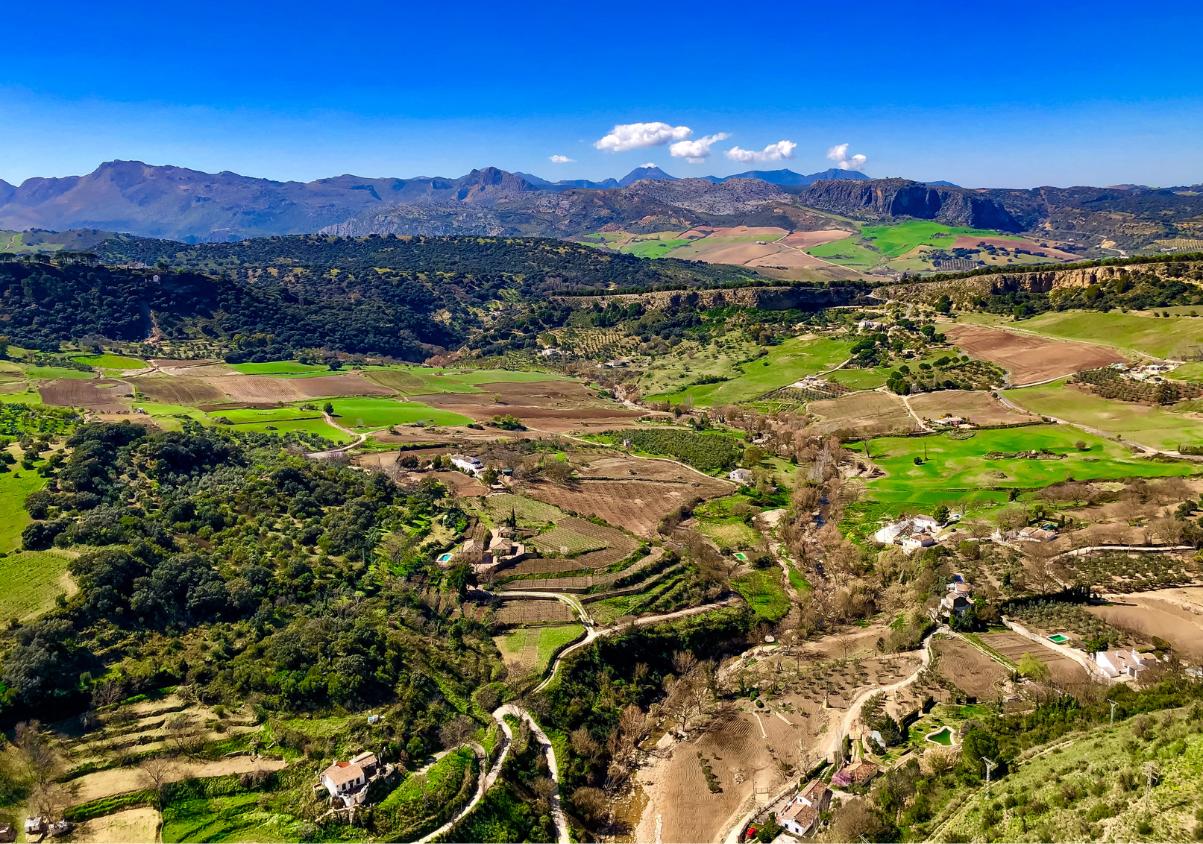

The grape harvest is already under way in the province of Málaga, and wineries across the Serranía de Ronda are entering one of the busiest periods of the year. While harvesting teams move through the vineyards, an equally important artisanal process begins inside the wineries, ultimately shaping the character of every wine.
Winemaking at this stage requires observation, experience and an ability to adapt. Technology provides valuable information about the grapes, but many decisions still depend on the accumulated knowledge of winemakers and growers.
Ripeness is monitored plot by plot
Harvesting does not begin simultaneously across every vineyard. Grapes can reach different stages of ripeness even within a single plot because of variations in orientation, altitude, soil and exposure to sunlight.
Winemakers collect samples from different areas and taste the grapes to assess their flavour, texture and development. Some of the fruit is also sent to a laboratory, where additional measurements help determine the most suitable moment to begin harvesting.
Scientific results are combined with experience in the vineyard. The aim is not to pick as early as possible, but to wait until each variety reaches the desired balance.
The first selection takes place in the vineyard
Careful handling begins before the grapes ever reach the winery. At Cortijo Los Aguilares, harvesting starts at first light and continues until rising temperatures make it advisable to stop.
Natural daylight allows workers to carry out an initial selection among the vines and reject bunches that fail to meet the required standard. This reduces the amount of sorting needed later and prevents damaged fruit from being transported to the winery.
Early harvesting also helps keep the grapes cool. Other local producers work at night for the same reason, ensuring the fruit does not arrive too warm or begin to deteriorate prematurely.
Cooling protects the grapes before production begins
Once harvested, the grapes at Cortijo Los Aguilares are placed in a cold-storage chamber. Their temperature is lowered to approximately zero degrees Celsius before winemaking begins.
Cooling limits oxidation and slows the activity of microorganisms that could affect the fruit. Grapes picked on one day can therefore enter production the following morning, once they have reached the required condition.
A second manual inspection then takes place on a sorting table. Workers remove leaves, plant material and damaged berries that may have passed through the initial selection in the vineyard.
Every harvest demands different decisions
Destemming follows the sorting process, separating the berries from the stalks. However, not all the grapes necessarily receive the same treatment.
Cortijo Los Aguilares may combine whole berries, partially crushed fruit and a proportion of complete bunches with their stems still attached. The blend depends on the condition of the grapes, the variety and the characteristics the winemaker wants to develop during fermentation.
There is no fixed formula repeated from one year to the next. Proportions can change throughout the harvest, with some decisions made almost immediately after assessing how each batch is responding.
The winery also avoids using pumps to transfer the grape mixture into its tanks. Small containers are used instead, allowing the tanks to be filled by gravity and the fruit to be handled more gently.
Open fermentation and manual work at F. Schatz
The diversity of production methods is one of the defining qualities of Serranía de Ronda wines. At F. Schatz, one of the wineries that helped revive winemaking in the area, red wines are fermented in large open vats.
During fermentation, grape skins and other solid material rise to form a layer on the surface known as the cap. This is manually pushed back into the liquid at regular intervals.
Known as punching down, this process encourages the extraction of colour, aromas and other compounds contained in the skins. Performing it by hand enables the winemaker to monitor the wine closely and adjust the intensity of the extraction.
Slow pressing to unlock the potential of white wine
White wine follows a different production process. Once the stems have been removed, the grape mixture is placed in a press to extract the juice.
At F. Schatz, the remaining material undergoes a slow pressing process that can last for more than 24 hours. This is intended to capture its aromatic potential before the must is transferred to barrels for fermentation.
After several weeks, the heavier lees—sediments made up of yeast and other particles left by fermentation—are removed. The finer lees remain suspended during ageing, helping to give the wine greater texture and complexity.
Diversity defines the wines of the Serranía de Ronda
The region’s wineries share the aim of obtaining the finest possible expression of their grapes, but they do not follow a single production model. Some use cold storage, others harvest early or at night, and every winemaker makes individual decisions about pressing, fermentation and ageing.
This range of methods contributes to the diversity of wines produced in the Serranía de Ronda. Craftsmanship is not simply about preserving traditional techniques; it also involves observing each harvest and adapting production to the condition of the fruit.
From choosing the day of harvest to managing the lees, every decision leaves its mark on the finished wine. Behind each bottle lies a lengthy process of selection, precision and manual work that begins long before the wine reaches the glass.

Latest news





Upcoming events
12
Nov
El Desembarco, la traición de Viriato at La Caja Blanca
12
Nov
HOMER El Mero Mero at Sala Trinchera Málaga
13
Nov
Marbella Startup Lab – Innovate & Collaborate
13
Nov
Candlelight: Coldplay & Imagine Dragons at Sala Fundación Unicaja María Cristina
13
Nov
Candlelight: Tribute to Ludovico Einaudi at Anantara Villa Padierna
Similar News
Ronda, the Málaga Town That Captivated Orson Welles and Became His Final Resting Place
Ronda
