The Mijas Town Council wants to put 'diapers' on horses and donkey taxis


The mayor has issued a decree that also prohibits animals from working between 2 and 6 PM during a yellow alert, or in the event of an orange or red alert.
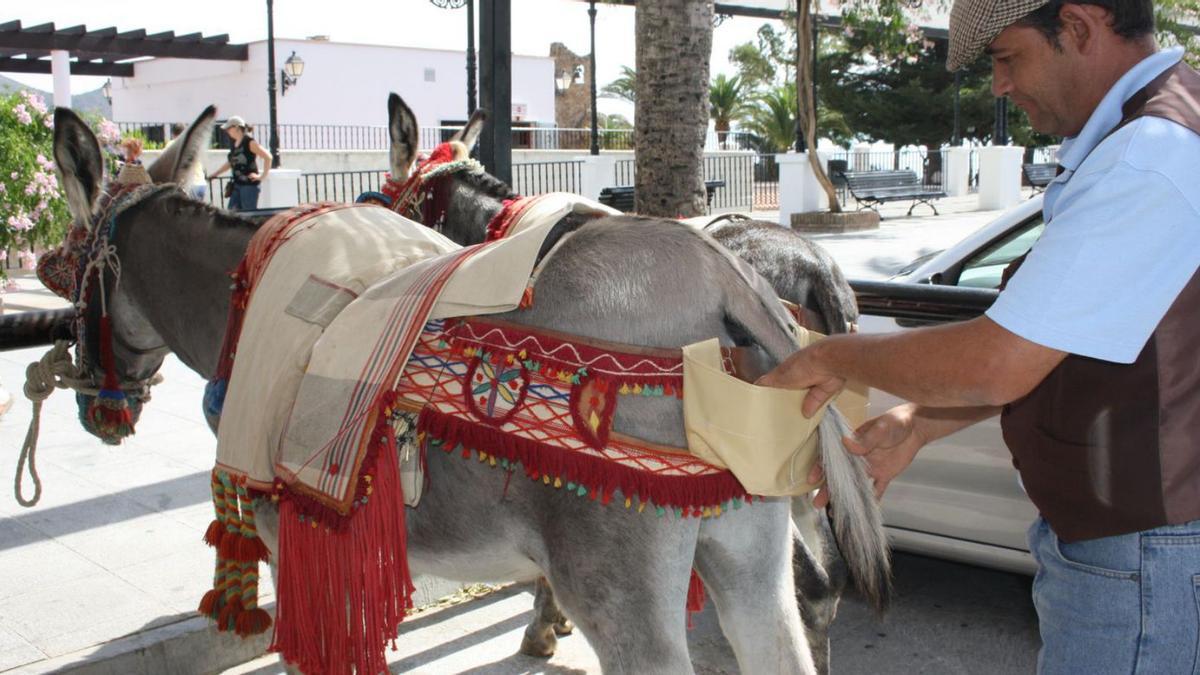

The Mijas Town Council wants to put 'diapers' on horses and donkey taxis
El Ayuntamiento quiere incrementar el bienestar de los animales. -
6 April 2025
Mijas
Costa del Sol News
Summer is approaching and the Mijas City Council wants the city to be sparkling clean to welcome the thousands of tourists who visit each year. Therefore, the mayor of Mijas, Ana Mata (PP), has issued a new decree regarding the services of horse-drawn carriages and donkey taxis, in which she "recommends" the use of "diapers" to keep the streets clean of dirt and bad odors. The decree, which can be consulted on the website of the Mijas City Council, recommends "the use of preventive collection systems attached to the animal to prevent feces from falling to the ground," the well-known "diapers" for equines. This precept, which adds to the existing municipal regulations on the sector, states that carriage drivers and donkey taxi drivers are required to keep all service stops clean of feces and must collect the animals' waste throughout the entire route, under penalties ranging from 750 to 1,500 euros. Furthermore, the decree establishes that the waste from these animals cannot be deposited in the containers designated for organic waste around the city, in order to maintain these devices in optimal hygienic-sanitary conditions. All these new rules are included in a decree that also adopts measures to promote the welfare of the animals, now that the rigors of summer are approaching. In this regard, to combat the high temperatures during the summer and preserve the well-being of the animals, the decree issued by the mayor of Mijas establishes that from now on, the service will not be provided between two and six in the afternoon on days when the State Meteorological Agency (Aemet) activates the yellow warning. Additionally, the decree states that the service provided with these animals will not be offered under any circumstances on days when Aemet issues orange or red warnings for high temperatures typical of summer. The decree also incorporates a table developed by the General Council of the College of Veterinarians of Spain with heat sensation values and recommendations; and establishes that the rope used to tie the animals at the stops must be at least half a meter long to allow them mobility.

Similar News

Contact us