Heatwaves and inflation put Málaga’s tourist season to the test
The tourism sector faces a summer marked by extreme temperatures, changing travel habits and more price-sensitive consumers, in a context where climate adaptation is becoming key to maintaining competitiveness.
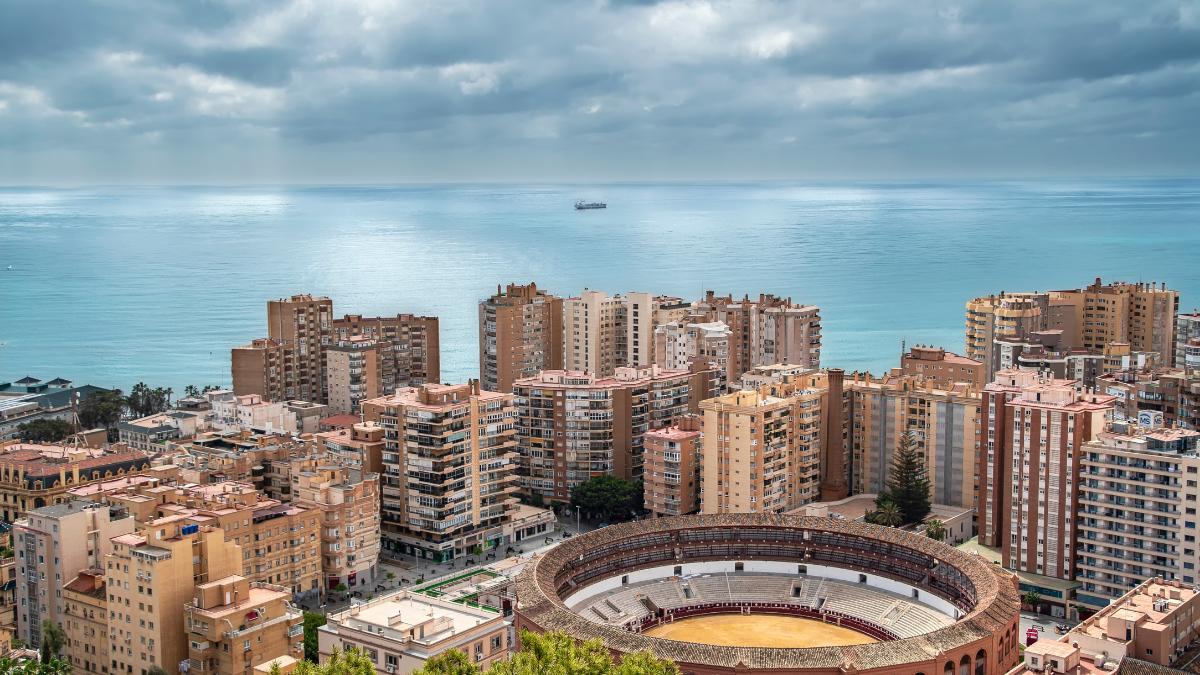

Málaga’s summer tourist season arrives at a demanding moment for the sector. Alongside the usual pressure of July and August, two factors are increasingly shaping travellers’ decisions: heatwaves and the rising cost of holidays.
The Costa del Sol remains a highly attractive sun-and-beach destination, but extreme heat is no longer seen only as a temporary inconvenience. More and more studies suggest that high temperatures influence destination choice, length of stay and tourists’ willingness to return.
Heat is beginning to change the way people travel
Mediterranean tourism has built much of its success on climate, but that same factor is now becoming a challenge. Heatwaves are already changing the behaviour of international tourists, especially in sun-and-beach destinations.
Travellers are not necessarily stopping their trips, but they are adjusting their plans. Some shorten their holidays, others look for destinations with milder temperatures, and many are beginning to value thermal comfort as another key factor when booking.
This trend fits with the rise of so-called coolcations, trips to places that are less hot or offer better climate conditions during the summer months. For destinations such as Málaga, this means rethinking part of the tourism offer, especially during the hottest hours of the day.
Tourist loyalty is at stake
The impact of heat does not end when the trip is over. Experiences of extreme heat can reduce the likelihood of international tourists returning to Spain and may encourage them, if they do return, to choose cooler destinations.
This is an important warning for the Costa del Sol. Loyalty has traditionally been one of the destination’s strengths, with visitors returning year after year. If heatwaves affect that repeat behaviour, the challenge will not only be attracting tourists, but ensuring that the experience is comfortable enough for them to want to come back.
Inflation and more carefully planned holidays
Economic pressure is another major factor. Rising prices for accommodation, transport, restaurants and leisure activities are forcing many travellers to adjust their budgets. In this context, some families are choosing shorter breaks, domestic trips, last-minute bookings or more selective spending during their stay.
For Málaga, this could mean a more price-conscious visitor and stronger competition between destinations. The province still has clear advantages —air connectivity, beaches, gastronomy, culture and a well-established hotel offer— but visitors’ spending capacity is becoming an increasingly sensitive variable.
Adapting the offer is becoming essential
Experts agree that the answer is not simply to promote the destination more, but to adapt it better to the new climate scenario. This means increasing shaded areas, improving the energy efficiency of accommodation and public spaces, diversifying indoor activities, adjusting schedules and expanding options outside the hottest hours of the day.
Seasonal diversification is also becoming increasingly important. If summers become more extreme, spring, early autumn and lower-pressure months may become more attractive for certain types of travellers.
Málaga faces a new tourism model
The Costa del Sol is not starting from scratch. The destination has strong infrastructure, deep tourism experience and a well-established international brand. However, climate change and inflation are forcing it to evolve towards a more flexible model, less dependent on beach hours and more focused on visitor wellbeing.
The key will be to maintain the destination’s appeal while responding to tourists’ new concerns: heat, price, comfort, sustainability and overall experience quality. Málaga will remain one of the Mediterranean’s major tourism hubs, but its competitiveness will increasingly depend on its ability to adapt.
📍 Affected area: Málaga and the Costa del Sol.
🌡️ Main climate challenge: heatwaves and loss of thermal comfort.
💶 Economic challenge: inflation and rising holiday costs.
✈️ Tourism impact: changes in length of stay, destination choice and intention to return.
🏖️ Key sector: sun-and-beach tourism.
🎯 Necessary response: climate adaptation, seasonal diversification and improved visitor experience.
The information comes from the article published by La Opinión de Málaga and analyses by Science Media Centre España and CaixaBank Research on the impact of heatwaves on international tourism.

Latest news



Upcoming events
17
Sep
La Pequeña Cuba Gastro-Cultural Festival in San Pedro Alcántara 2026
18
Sep
World Wellness Weekend Marbella 2026
18
Sep
Candlelight: Queen vs. ABBA in Málaga
18
Sep
Candlelight: Coldplay and Imagine Dragons in Málaga
18
Sep
3 de Corazones – Pancho Céspedes, Enrique Ramil and José Luis Jaén in Málaga
Similar News
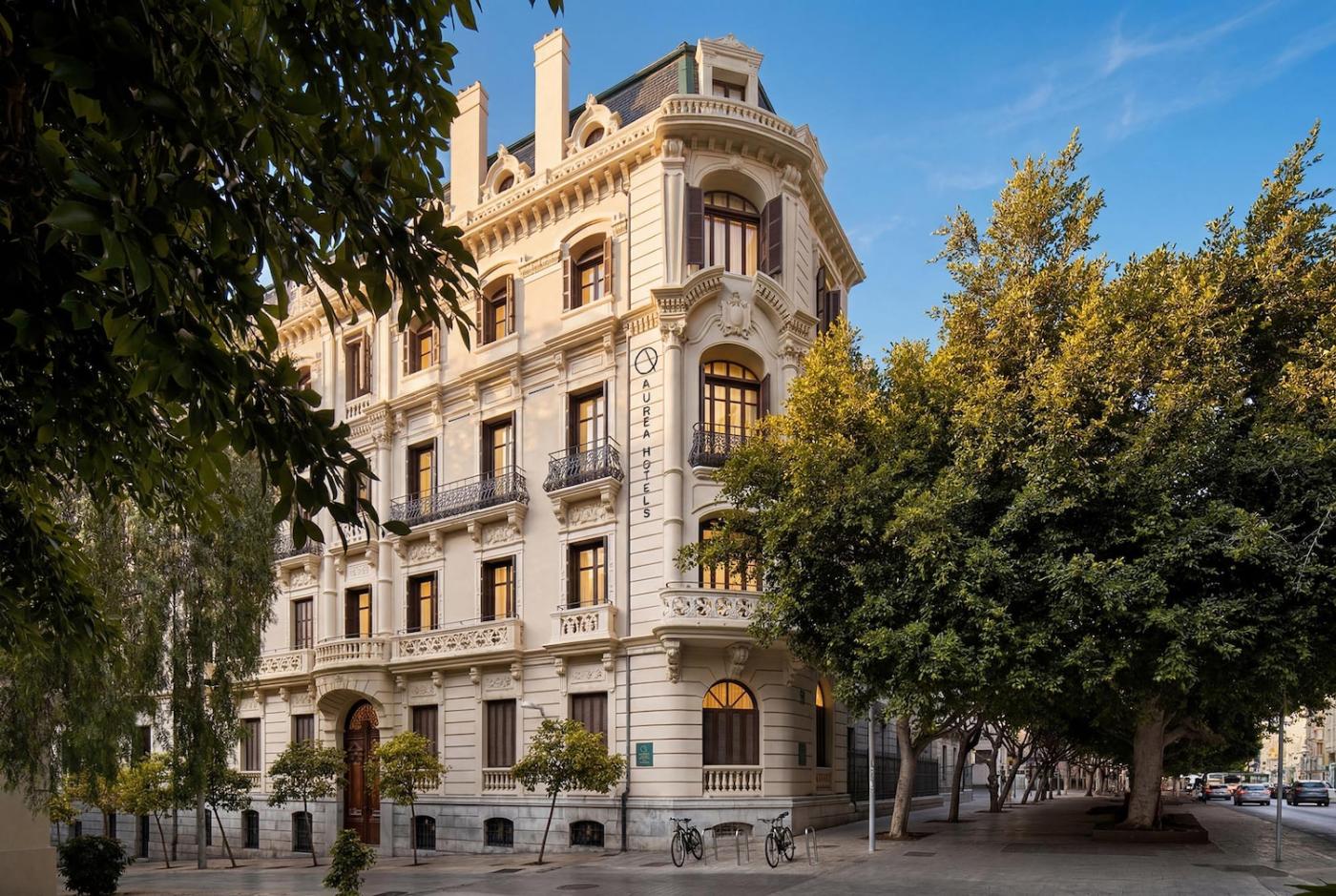
Málaga’s Palacio de la Tinta reborn as a five-star hotel opposite La Malagueta
Málaga

Virgen de la Victoria in Málaga 2026: times, procession and full route for 7 and 8 September
Málaga

Málaga school calendar 2026-2027: when classes start and all the main holiday dates
Málaga