


Roman Costa del Sol: The Archaeological Sites You Can Still Visit in Malaga
Malaga holds onto one of the most complete Roman legacies in all of Andalusia: theaters, baths, villas, roads, and fish-salting factories are scattered across the province, bearing witness to centuries of history. We've rounded up the main Ancient Roman sites still standing today along the Costa del Sol — a perfect route for anyone who loves cultural tourism.
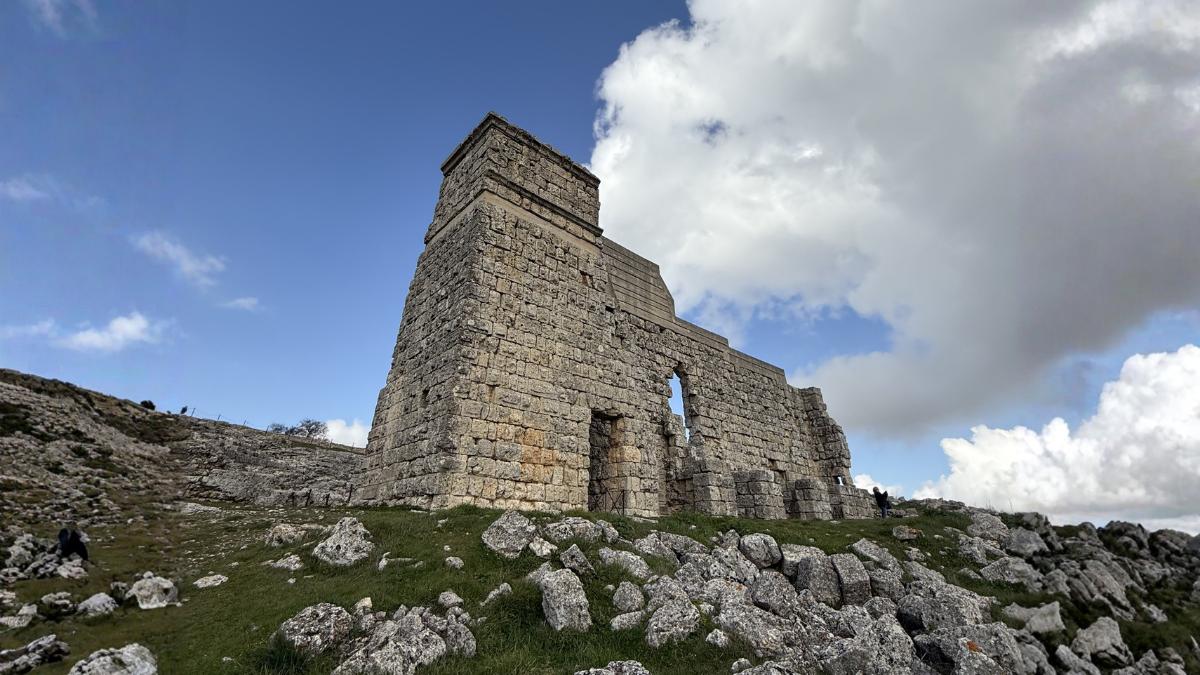

The Roman presence in Malaga province left a legacy that's still very much visible today: remains of roads, villas, baths, theaters, and aqueducts turn up all along the coast. For history and heritage lovers, this makes for the perfect excuse to plan a full cultural route. Here's a stop-by-stop guide.
Roman Theatre of Malaga
The route begins in the capital, at the foot of the Alcazaba, where the Roman Theatre of Malaga stands. Built in the early 1st century AD, it remained hidden until it was uncovered in 1951. Various studies suggest it stayed in use until the 3rd century. Nearby, other Roman remains can be found, including the fish-salting vats on Calle Alcazabilla.
Fish-salting factory beneath the University of Malaga's Rectorate
Beneath the foundations of the University of Malaga's Rectorate building lie the remains of a genuine Roman fish-salting factory, once producing one of the most valuable goods in the Roman Empire.
Roman mosaic of the Birth of Venus
Discovered in Cártama, the mosaic depicting the Birth of Venus is now on display at the Museum of Malaga, housed in the Palacio de la Aduana. Everything points to it having once been the floor of a 2nd-century bathhouse. The museum also holds other notable pieces, including a female sculpture found in Villanueva del Trabuco.
Mausoleum of La Capuchina, in Mollina
Inside the La Capuchina winery, the remains of an ancient Roman mausoleum can still be seen. Traces of this funerary space survive, along with various household objects found around it. Visits must be arranged in advance directly with the winery.
The Efebo of Antequera
One of the best-preserved Roman sculptures in the entire region was found in Antequera. It's on display at the City Museum, right in the historic center. The Efebo has become one of the emblems of ancient Antikaria, discovered by chance in 1955.
Roman baths of Santa María, in Antequera
Still in Antequera, at the foot of the Royal Collegiate Church of Santa María La Mayor, sit a set of Roman baths dating from the mid-1st century, uncovered roughly 30 years ago. Their discovery helped confirm the existence of ancient Antikaria.
Roman aqueduct of Fuente de la Arena, in Ronda
Ronda also holds the remains of Fuente de la Arena, a 3rd-century hydraulic structure, part of which is still visible along the road connecting Ronda and Gaucín. It once stretched more than 82 kilometers, though only a handful of arches survive today.
Ancient Cartima, in Cártama
Next to the Church of San Pedro Apóstol in Cártama, remains of the Roman city of Cartima can still be seen, including a bridge that once formed part of a major Roman road.
Acinipo, near Ronda
About 20 kilometers from Ronda lies what was once an important Roman city: Acinipo. Successive excavations have revealed a complex urban layout built between the 1st century BC and the 3rd century AD, complete with a theater, public squares, and more.
Caviclum, in Torrox
Rome's mark reaches the coast too. Next to the Torrox lighthouse sit a necropolis and baths belonging to the ancient site of Caviclum: a villa in use between the 1st and 4th centuries that included a fish-salting factory, several pottery kilns, a necropolis, and baths.
Roman road of Monda
Monda preserves a stretch of what was once a major Roman road, alongside which various remains from the period have been found. Today it's a freely accessible path open to any visitor.
Las Bóvedas, in Marbella
Marbella is home to the remains of 2nd-century baths in remarkably good condition. They're easy to reach, located next to the Guadalmina development in San Pedro de Alcántara.
Roman villa of Río Verde, in Marbella
Marbella also holds the valuable Roman Villa of Río Verde, right on the beachfront. Dating from the 2nd century, it retains much of its original structure, including an interior courtyard and a mosaic depicting a jellyfish.
Roman Baths Theme Center, in Alameda
The Roman Baths Theme Center in Alameda offers an educational visit explaining how these public baths, used between the 1st century BC and the 3rd century AD, actually worked.
Ruins of Calle Villa, in Estepona
Estepona's historic center holds numerous traces of the Roman presence. The remains on Calle Villa stand out in particular, and the visit pairs well with a stop at the nearby Archaeological Museum of Estepona, just 20 meters away.
Archaeological site of Lacipo, in Casares
Just 4 kilometers from the town of Casares, remains of houses and walls from the ancient city of Lacipo still survive. The site was already inhabited before Rome's arrival and, centuries later, went on to house a Visigothic cemetery.
La Peana, in Valle de Abdalajís
In the center of Valle de Abdalajís stands one of the town's most valuable heritage pieces: La Peana, a stone piece that once belonged to the famous Arco de los Gigantes in Antequera.
Archaeological sites of La Cizaña, in Torremolinos
Torremolinos is home to the La Cizaña sites, dating from the 1st to the 4th century, which include a fish-salting factory, a villa, a bath area, and a pottery center equipped with several kilns and a large storage building.
Finca del Secretario, in Fuengirola
Fuengirola holds the Finca del Secretario site, an archaeological complex made up of a fish-salting factory, a pottery workshop, and baths dating from the 1st to the 5th century. Many of the pieces found here can also be seen at the Museum of the History of the City of Fuengirola.
Roman road of La Coladilla, in Nerja
A 50-meter stretch survives of the ancient road that once linked Caviclum (Torrox) with Sexi (Almuñécar). This visit pairs well with a stop at the Nerja History Museum, which houses several Roman pieces.
Roman artifacts at the Archaeological Museum of Manilva
Inside the Castillo de la Duquesa, in Manilva, the Municipal Archaeological Museum brings together remains dating from the late 1st century to the early 5th century AD. Highlights include kitchen utensils, funerary grave goods, personal care items, fishing tools, and a recreated inhumation burial, among other pieces.
A cultural route worth exploring any time of year
Tracing the main Roman sites across Malaga province makes for one of the most original cultural plans for a couple's getaway or a family trip — a different kind of escape that reveals, stop by stop, the legacy Rome left on the Costa del Sol.

Latest news





Upcoming events
12
Nov
El Desembarco, la traición de Viriato at La Caja Blanca
12
Nov
HOMER El Mero Mero at Sala Trinchera Málaga
13
Nov
Marbella Startup Lab – Innovate & Collaborate
13
Nov
Candlelight: Coldplay & Imagine Dragons at Sala Fundación Unicaja María Cristina
13
Nov
Candlelight: Tribute to Ludovico Einaudi at Anantara Villa Padierna
Similar News

Japanese festival comes to Málaga this Sunday: Matsuri 2026 brings kimonos, sumo, traditional drums and food
Málaga

Sould Park Malaga to open before Christmas with rollercoasters, bowling and mini golf
Málaga
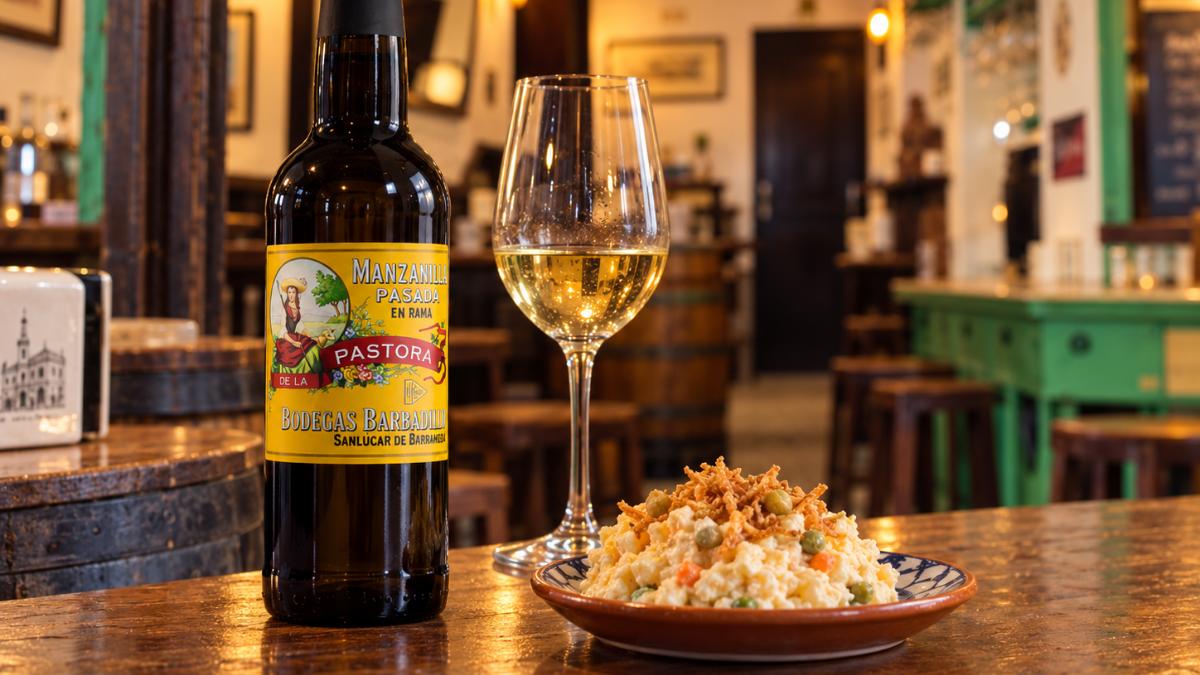
Málaga launches new sherry and tapas trail: four bars, €5 pairings and prizes to be won
Málaga
