Ten Traditional Málaga Dishes You Should Try at Least Once
From sardine skewers and cold soups to Málaga-style fried fish and local pastries, the province’s cuisine reflects its Mediterranean coastline, rural traditions and inland landscapes.
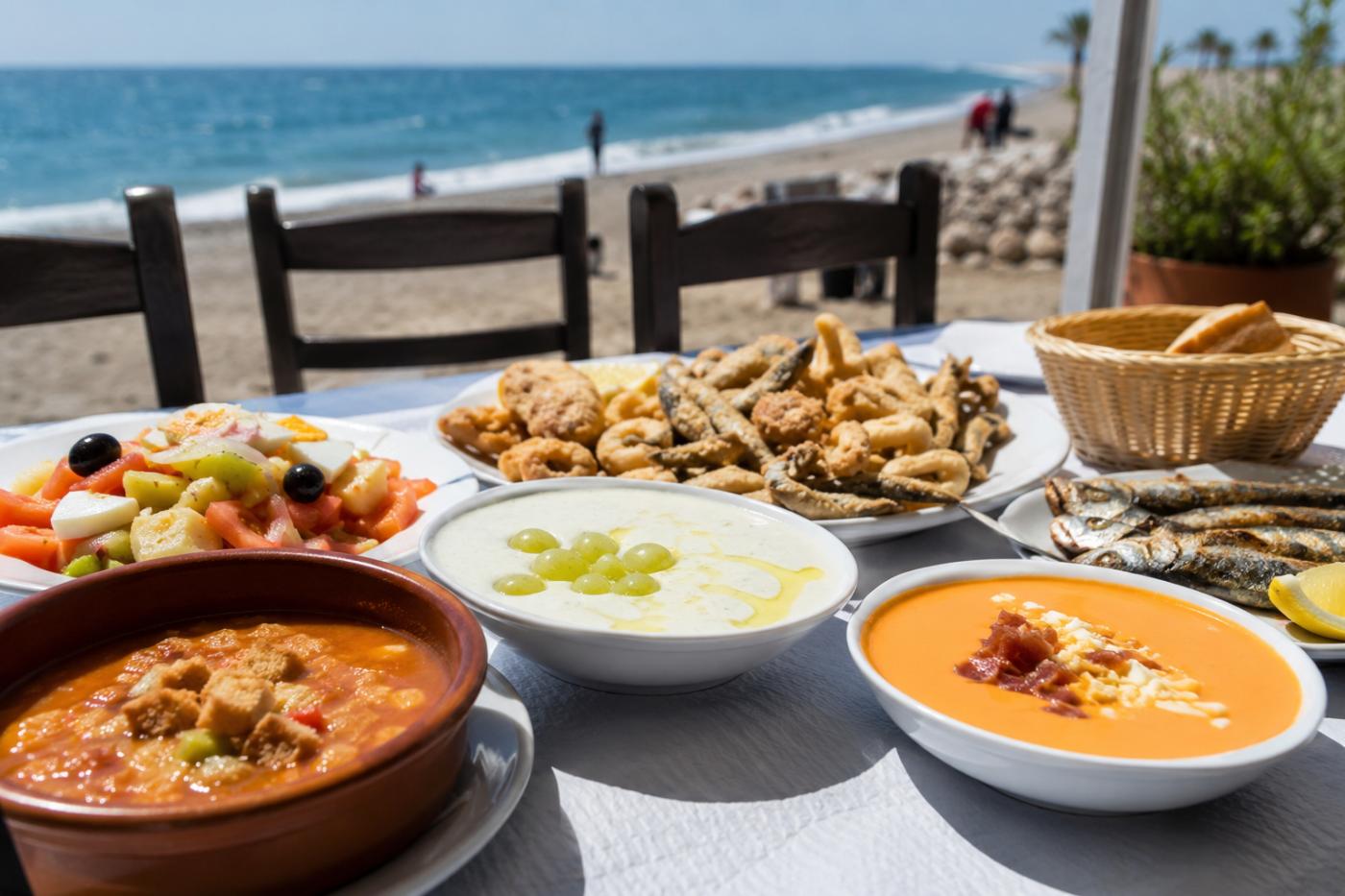

Málaga’s gastronomy is one of the province’s greatest attractions. Its cuisine combines fresh Mediterranean produce with traditional countryside recipes, refreshing dishes created for the warmer months and hearty meals associated with inland and mountain areas.
From the beach restaurants of the Costa del Sol to the traditional roadside inns of the Montes de Málaga and the restaurants of the Guadalhorce Valley, every part of the province contributes its own flavours and culinary customs.
Visitors will find grilled and fried fish, cold soups, locally produced meat, popular sandwiches and desserts that form part of Málaga’s cultural and gastronomic identity.
These are ten traditional Málaga dishes that are well worth trying during a visit to the province.
1. Sardine Espetos
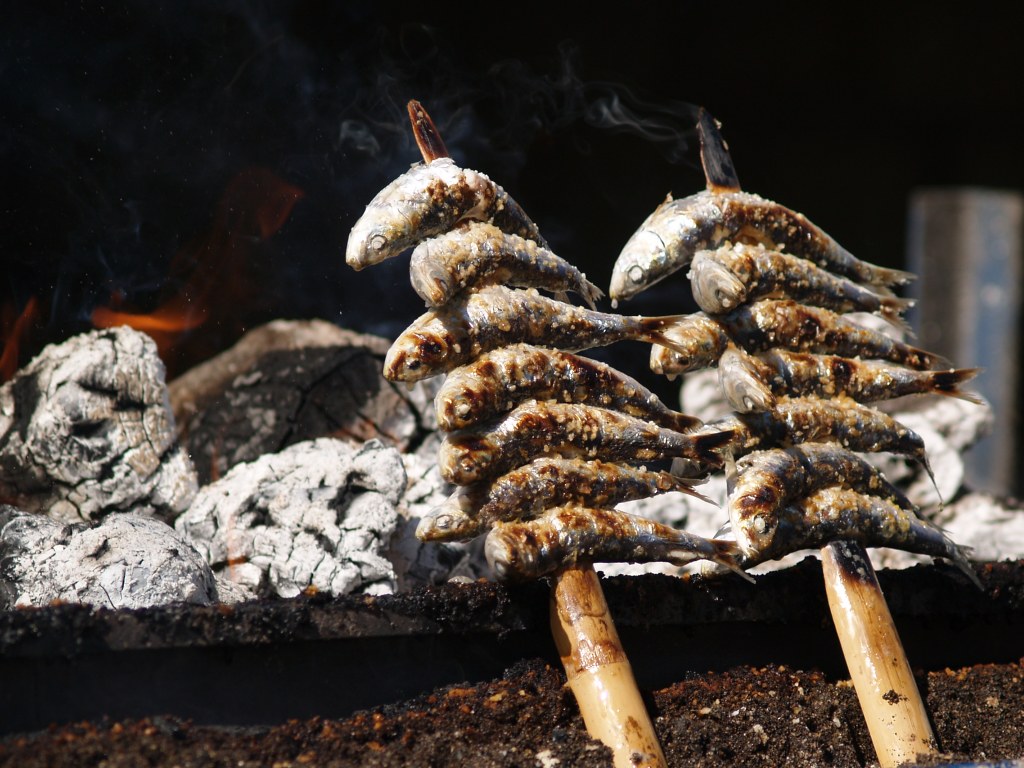
Sardine espetos are probably the most recognisable symbol of Málaga’s cuisine.
The sardines are threaded onto cane skewers and cooked beside hot embers, usually inside a small fishing boat adapted as a grill at beach restaurants along the coast.
Preparing them correctly requires experience. The espetero must position the fish properly, control the direction of the wind and maintain the correct distance from the fire.
The result should be juicy sardines with a lightly toasted exterior and the characteristic smoky flavour of the embers.
Local tradition says that the best time to eat sardines is during the months without the letter “r”, particularly throughout the summer.
2. Sopa Perota
Sopa perota is one of the most representative dishes of Álora and the Guadalhorce Valley.
Its origins are linked to agricultural workers, who prepared the recipe during breaks in the fields using affordable ingredients that were readily available.
The dish is generally made with rustic bread, tomatoes, onions, potatoes, peppers and olive oil.
Despite being described as a soup, it has a thick and substantial consistency and was traditionally eaten to provide energy during long working days.
The recipe remains an important part of Álora’s gastronomic identity and is considered one of the town’s most distinctive dishes.
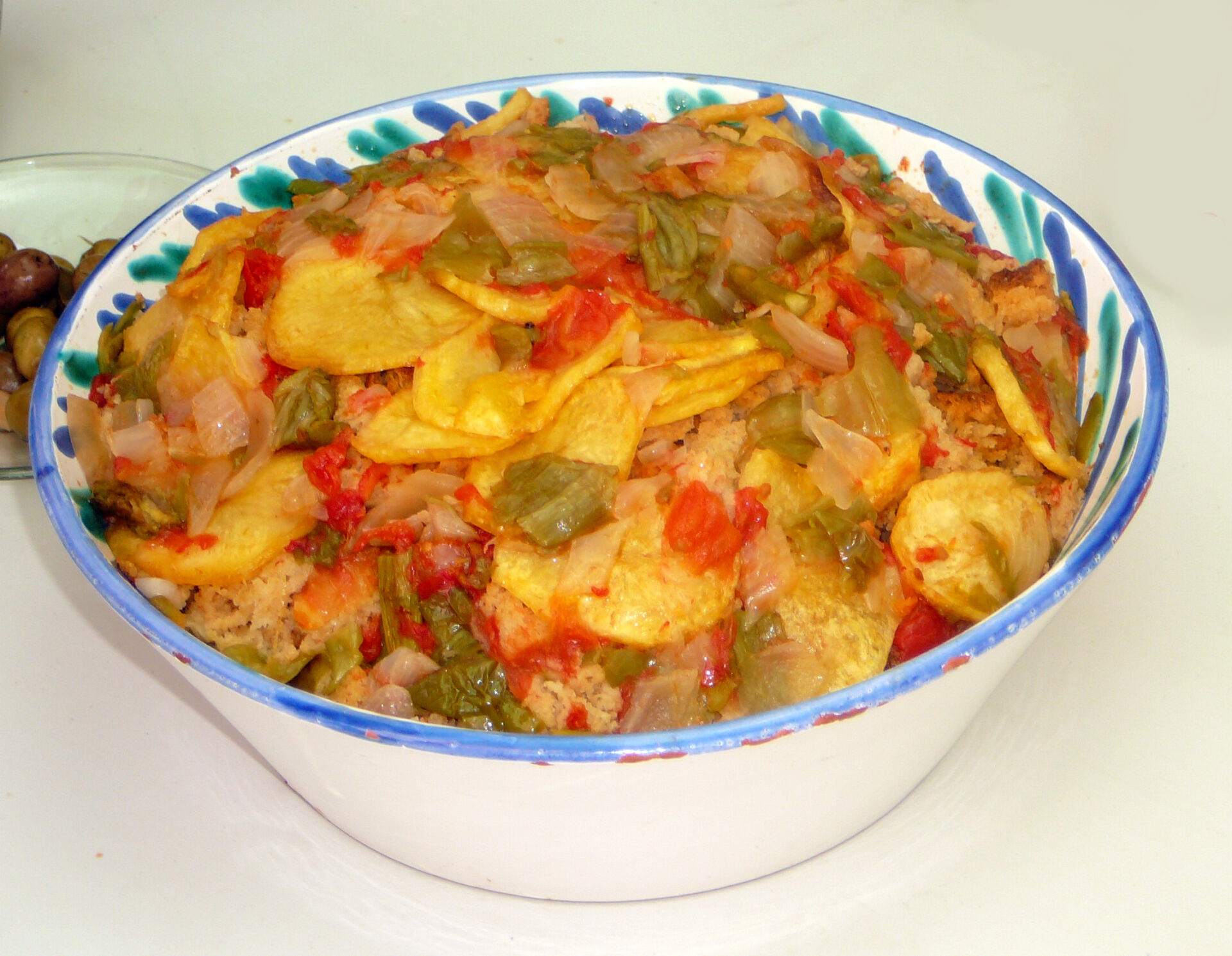
Image: Málaga Gastronomic Academy, via its official website.
3. Porra Antequerana
Porra antequerana is a cold soup originating from Antequera and is particularly popular during the hottest months of the year.
It is made with tomatoes, bread, extra virgin olive oil, garlic and green pepper. It differs from other Andalusian cold soups because of its thicker and creamier texture.
It is usually topped with hard-boiled egg and Serrano ham, although some versions may also include tuna or other ingredients.
This simple and refreshing recipe is closely connected to the traditional cuisine of inland Málaga.
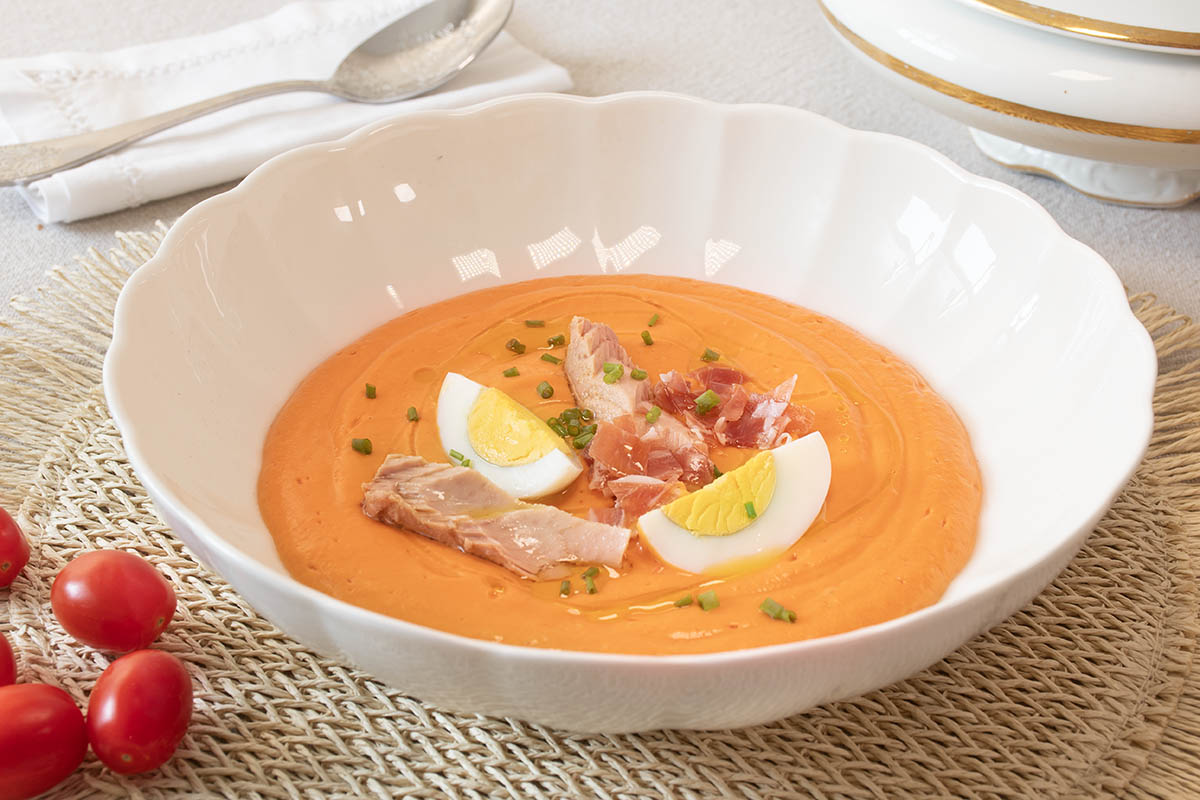
Image: Frabisa, via La Cocina de Frabisa – La Voz de Galicia.
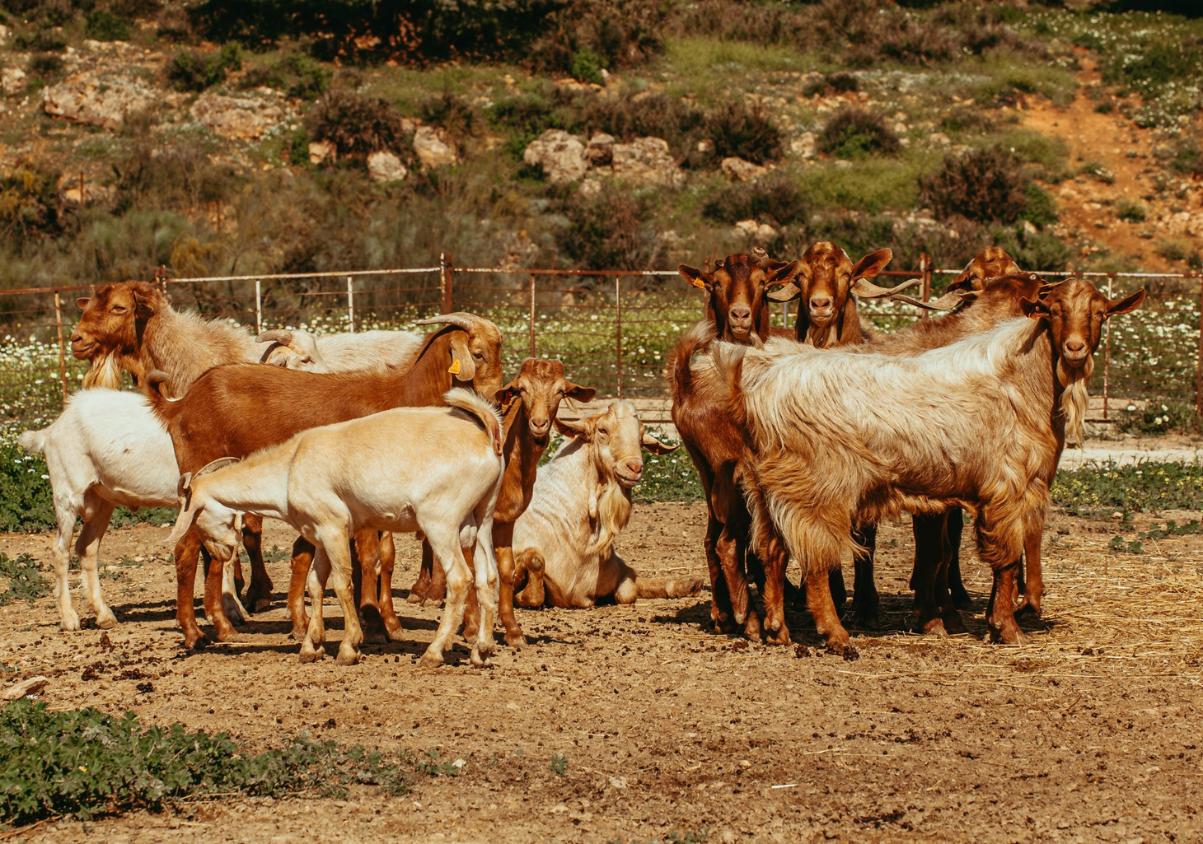
4. Málaga Suckling Goat
Málaga suckling goat is one of the province’s most characteristic meat products.
It comes from the native Malagueña goat breed and is protected by a quality guarantee recognising its origin and distinctive characteristics.
The meat is known for its tenderness and mild flavour. It can be roasted, cooked with garlic, prepared in a stew or served with seasonal vegetables.
It is especially common in restaurants across inland Málaga, where it frequently appears on menus specialising in traditional cuisine.
The dish also reflects the historic importance of goat farming in many areas of the province.
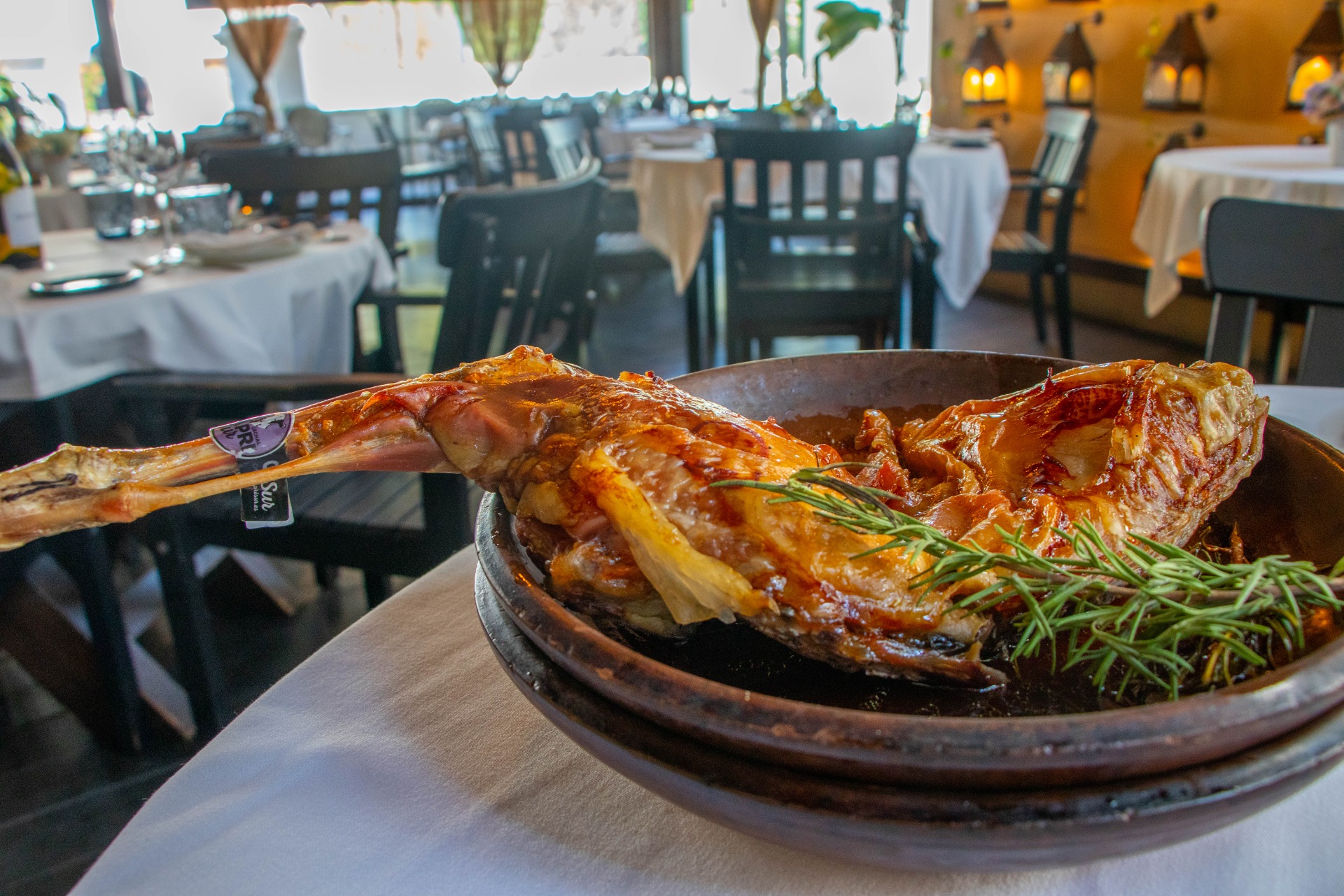
Image: Verum Restaurante, via its official website.
5. Málaga Salad
Málaga salad brings together contrasting ingredients to create a combination of sweet, salty and citrus flavours.
The traditional recipe is made with boiled potatoes, salted cod, oranges, spring onions, hard-boiled eggs and Aloreña olives, all dressed with extra virgin olive oil.
The orange adds freshness and sweetness, while the cod provides the dish with its distinctive savoury character.
It is an ideal dish for warm weather and a good example of how traditional Málaga cuisine transforms simple ingredients into an original and balanced recipe.
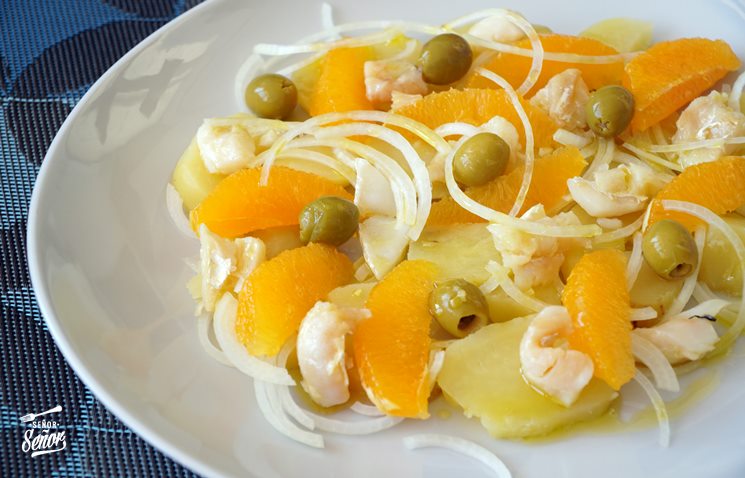
Image: Sergio Señor Galán, via Recetas de Cocina – El Mundo.
6. Ajoblanco
Ajoblanco is another of Málaga’s best-known cold soups.
It is prepared with almonds, bread, garlic, olive oil, vinegar and water. Once blended, the ingredients form a smooth, creamy soup that is served chilled.
It is traditionally accompanied by grapes, although it may also be served with melon or other fresh fruit.
The recipe is associated with humble rural cooking and dates back to a time before tomatoes became widely used in Andalusian cuisine.
Today, ajoblanco can be found in traditional establishments as well as modern fine-dining restaurants.
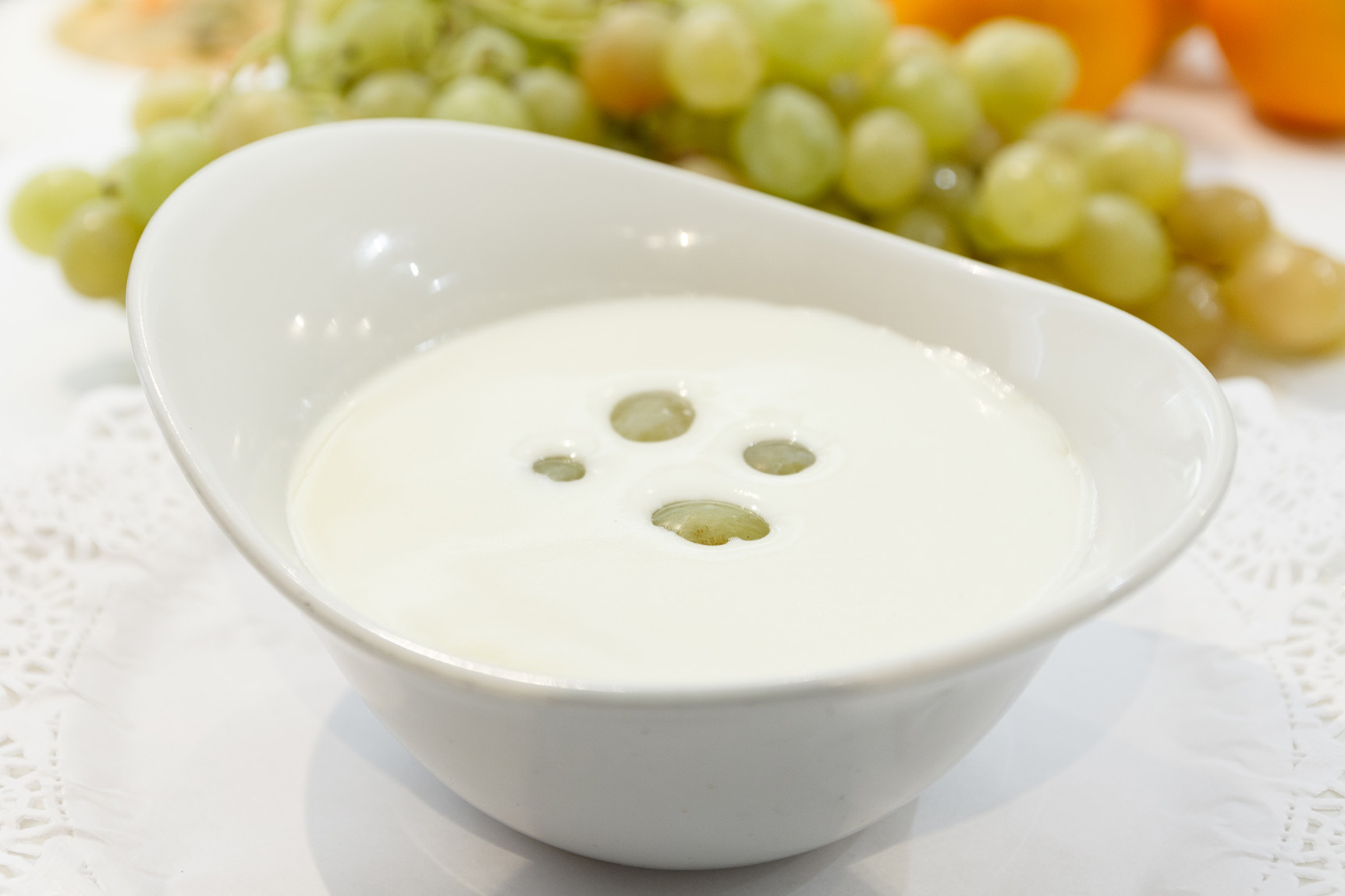
Image: Málaga Gastronomy Guide, via its official website.
7. Boquerones Vitorianos
Anchovies are so closely associated with Málaga that the word boquerón is commonly used as a nickname for local residents.
Boquerones vitorianos are small anchovies that are lightly coated in flour and fried in very hot oil.
One of the most traditional presentations involves joining several anchovies together by their tails to form small bundles before frying them.
They can also be prepared opened and flavoured with lemon, creating a citrus note before the fish is fried.
These anchovies are an essential part of any traditional Málaga-style fried fish selection.
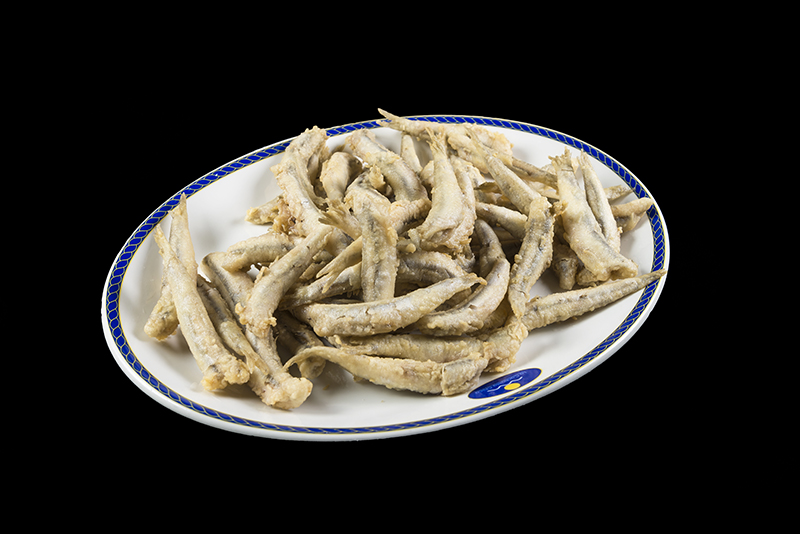
Image: La Carihuela Chica Restaurant, via its official website.
8. Málaga-Style Fried Fish
A Málaga-style fried fish platter gives diners the opportunity to try several types of fish and seafood in one serving.
The exact selection may vary depending on the restaurant and the day’s catch, but it commonly includes anchovies, red mullet, squid, baby squid, hake or fried octopus.
The fish is lightly coated in flour and cooked for only a short time in very hot oil. This creates a crisp exterior while keeping the inside tender and juicy.
It is usually ordered for sharing at beach restaurants and traditional seafood establishments, often accompanied by lemon and a simple salad.
Fresh produce and the correct oil temperature are essential for achieving a light and crisp result.
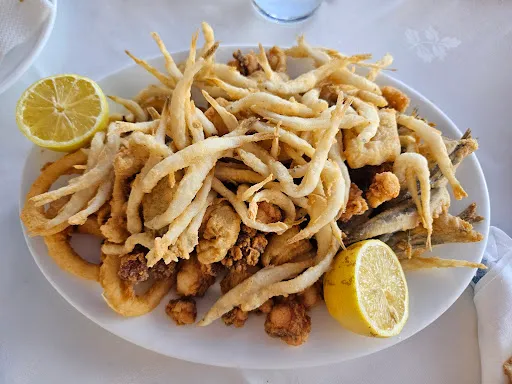
Image: Casa Paco Costa Lago Restaurant, via its official website.
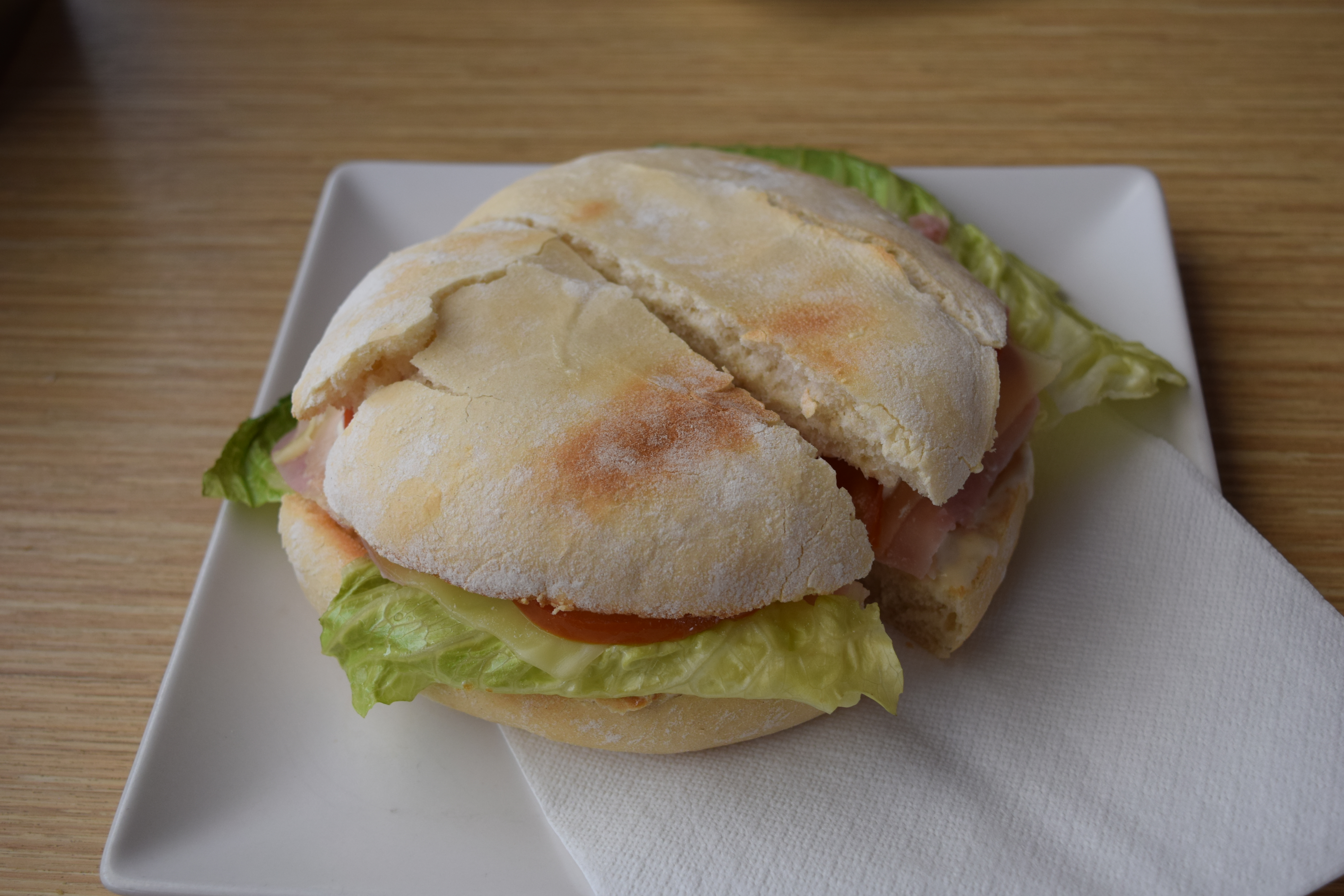
9. Campero Malagueño
The campero is one of Málaga’s most popular sandwiches and can be found in cafés, burger restaurants and casual eateries throughout the province.
It is made with a round bread roll that is filled and then toasted until hot and crispy.
The classic version contains cooked ham, cheese, lettuce, tomato and mayonnaise. Chicken, bacon, egg, tuna and other ingredients may then be added.
One of the most popular varieties is the chicken campero, which is served in numerous establishments across Málaga city and the surrounding towns.
Rather than being a dish created for tourists, the campero forms part of the everyday food culture of several generations of local residents.
10. Tortas Locas
Tortas locas are among the most recognisable sweets in Málaga’s traditional pastry-making.
They consist of two layers of puff pastry filled with custard. The top is covered with a bright orange egg-yolk glaze and usually decorated with a cherry in the centre.
Their colourful appearance makes them easy to identify in the windows of local bakeries and traditional confectionery shops.
The pastry originated in Málaga during the 20th century and remains a popular choice to accompany coffee or finish a meal.
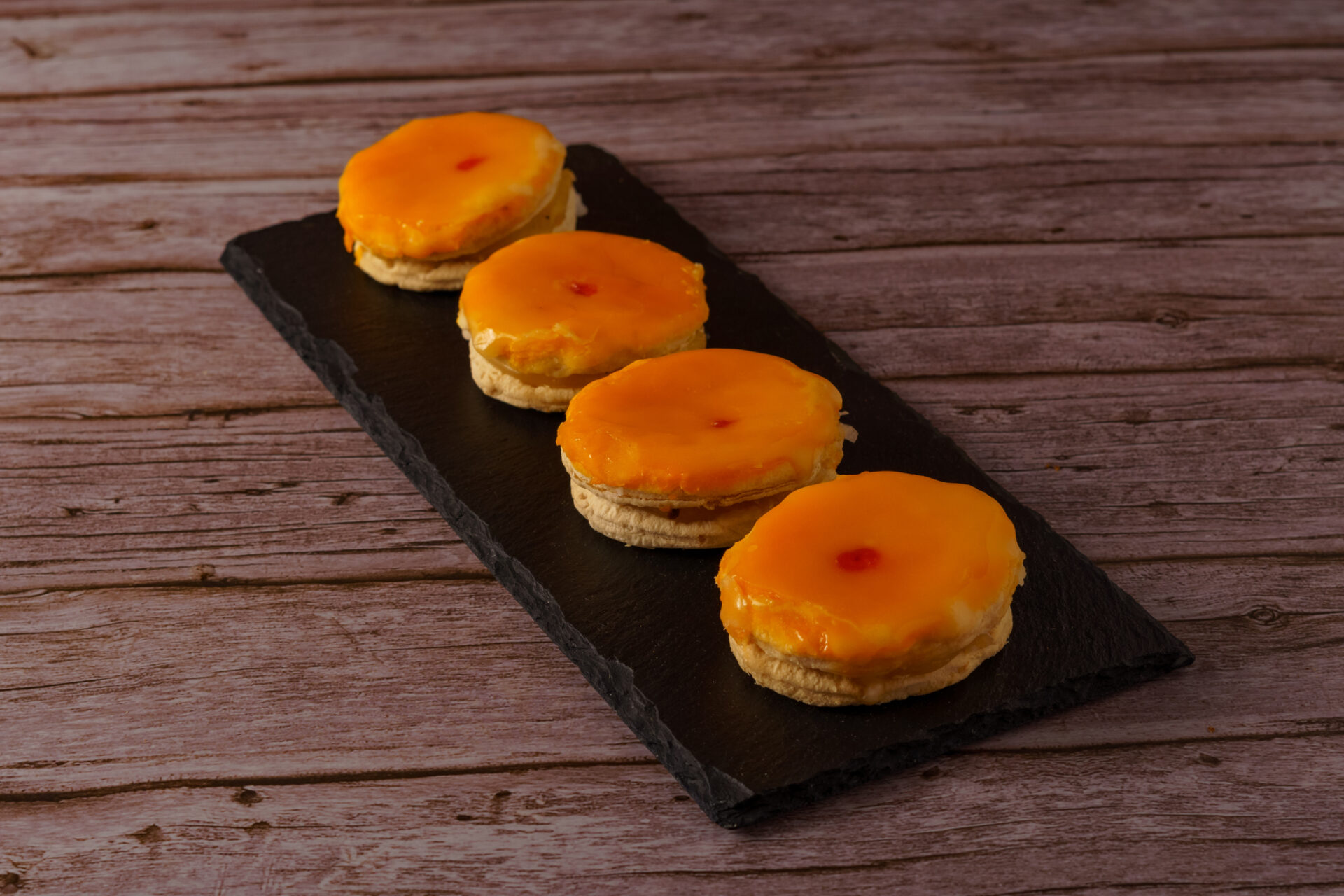
Image: Málaga Gastronomic Academy, via its official website.
A Cuisine Shaped by the Sea and the Mountains
These ten dishes offer a journey through the different landscapes and traditions of Málaga province.
Sardine espetos, anchovies and fried fish represent its coastal heritage. Sopa perota reflects the agricultural roots of the Guadalhorce Valley, while porra antequerana and suckling goat showcase the cuisine of inland Málaga.
Ajoblanco and Málaga salad provide refreshing options for warmer days, the campero represents the province’s popular urban food culture, and tortas locas complete the selection with one of the city’s most iconic desserts.
Málaga has many other specialities, including conchas finas, fried aubergines with sugarcane syrup, spicy dogfish broth and the traditional plato de los Montes. However, these ten dishes provide an excellent introduction to the variety and character of the province’s gastronomy.
Information source: Complejo Turístico Rural La Garganta

Latest news


Upcoming events
17
Sep
La Pequeña Cuba Gastro-Cultural Festival in San Pedro Alcántara 2026
18
Sep
World Wellness Weekend Marbella 2026
18
Sep
Candlelight: Queen vs. ABBA in Málaga
18
Sep
Candlelight: Coldplay and Imagine Dragons in Málaga
18
Sep
3 de Corazones – Pancho Céspedes, Enrique Ramil and José Luis Jaén in Málaga
Similar News

Axarquía Promotes Its Campsites and Overnight Stay Areas to Attract Touring Visitors
Costa del Sol