


Historical Buildings That Changed Their Skin: Unique Museums in Málaga
The spaces that today host La Térmica, the Russian Museum or the Automobile and Fashion Museum were something else in the past. Málaga, the city of endless museums.
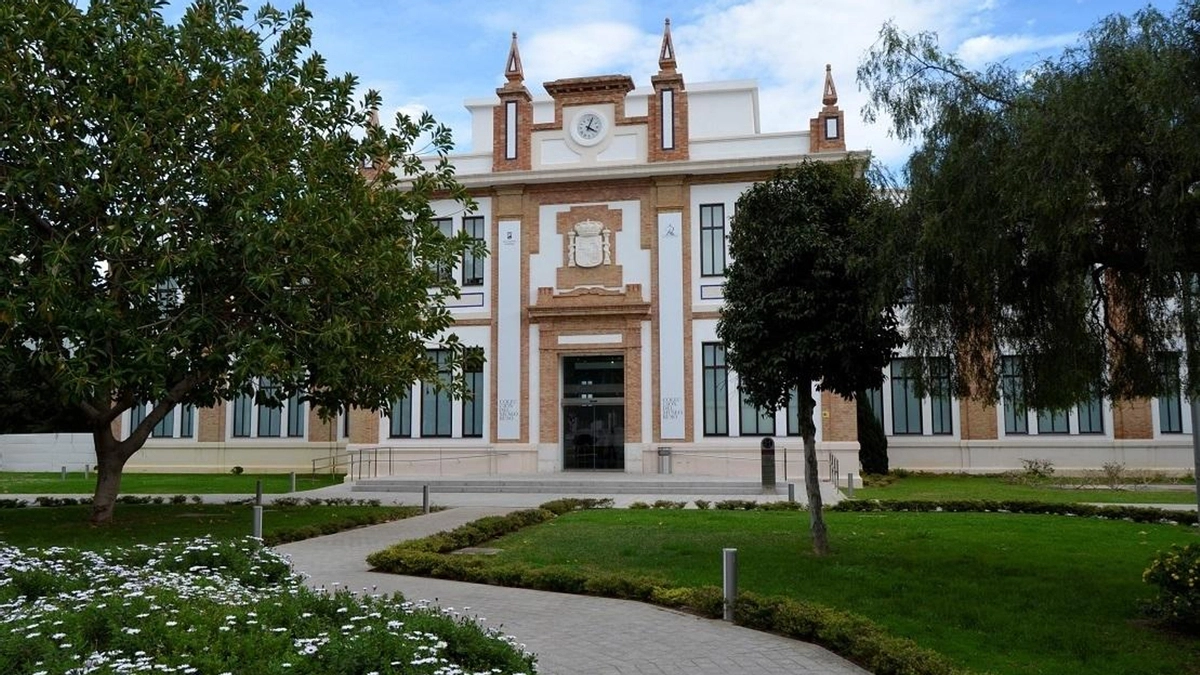

Málaga is known as the City of Museums for a reason, and not just because of the large number of them per square meter in the capital, but also for how it has transformed its historical legacy into a cutting-edge cultural proposition. Some of its most emblematic buildings, with histories dating back centuries, have changed their original purpose to become spaces dedicated to art and culture.
Málaga has demonstrated a unique ability to reinvent itself, transforming historic buildings into spaces that enrich its cultural life. La Térmica, the Russian Museum, and the Automobile and Fashion Museum are just a few examples of how the city has managed to preserve its architectural heritage and endow it with a new function adapted to modern times. These spaces not only preserve the historical memory of the city but also project it towards the future, making Málaga a top cultural destination on both national and international stages.
La Térmica: From Orphanage to Cultural Epicenter
La Térmica is a space with more than a century of history that has continuously evolved to meet the needs of the city. Its origins trace back to 1912, when the construction of the Casa de Misericordia de Málaga, designed by architect José Novillo Fertrell, was completed. This building, initially conceived as a refuge for disadvantaged people, was transformed into the Home of Our Lady of Victory after the Civil War, serving as an orphanage for war orphans.
In 1988, the building underwent a radical change by becoming a Civic Center, opening its doors as a sociocultural space. However, it was in 2013 when it reached its current identity as La Térmica, a meeting point for cultural creation. Today, this space hosts exhibitions, conferences, workshops, and various events, establishing itself as a reference in the cultural scene of Málaga.
The Russian Museum and MAM: From Tobacco Factory to Temple of Slavic Art
The Real Fábrica de Tabacos de Málaga, popularly known as La Tabacalera, is another outstanding example of conversion. This imposing building, located near San Andrés beach, dates back to the 1920s and reflects a regionalist architectural style with nineteenth-century influences. In 1932, it began operating as a factory, becoming a symbol of the rise in tobacco consumption in Spain.
The definitive closure of the factory came in 2002, and two years later, the Municipality of Málaga acquired the building, initiating its transformation into a publicly managed space. In 2010, it became home to the Automobile and Fashion Museum, marking the beginning of its new cultural phase. Shortly after, in 2015, the Russian Museum of Málaga arrived, inaugurating its activities with the exhibition "The Age of Diaghilev". This space, a result of collaboration with the State Russian Museum of Saint Petersburg, houses temporary exhibitions and permanent collections that bring the artistic richness of Russia to the Costa del Sol.

Latest news





Upcoming events
12
Nov
El Desembarco, la traición de Viriato at La Caja Blanca
12
Nov
HOMER El Mero Mero at Sala Trinchera Málaga
13
Nov
Marbella Startup Lab – Innovate & Collaborate
13
Nov
Candlelight: Coldplay & Imagine Dragons at Sala Fundación Unicaja María Cristina
13
Nov
Candlelight: Tribute to Ludovico Einaudi at Anantara Villa Padierna
Similar News

Málaga Airport Makes History with More Than Three Million Passengers in One Month
Málaga

Port of Málaga looks beyond its docks to support future growth
Málaga

Guide to the Virgen del Carmen Processions in Málaga and the Province
Málaga
