


The Story Behind Malaga Park: Origin, When, and Why It Was Created
The story behind one of the green lungs of Málaga capital10 things you might not know about Málaga as a local and why
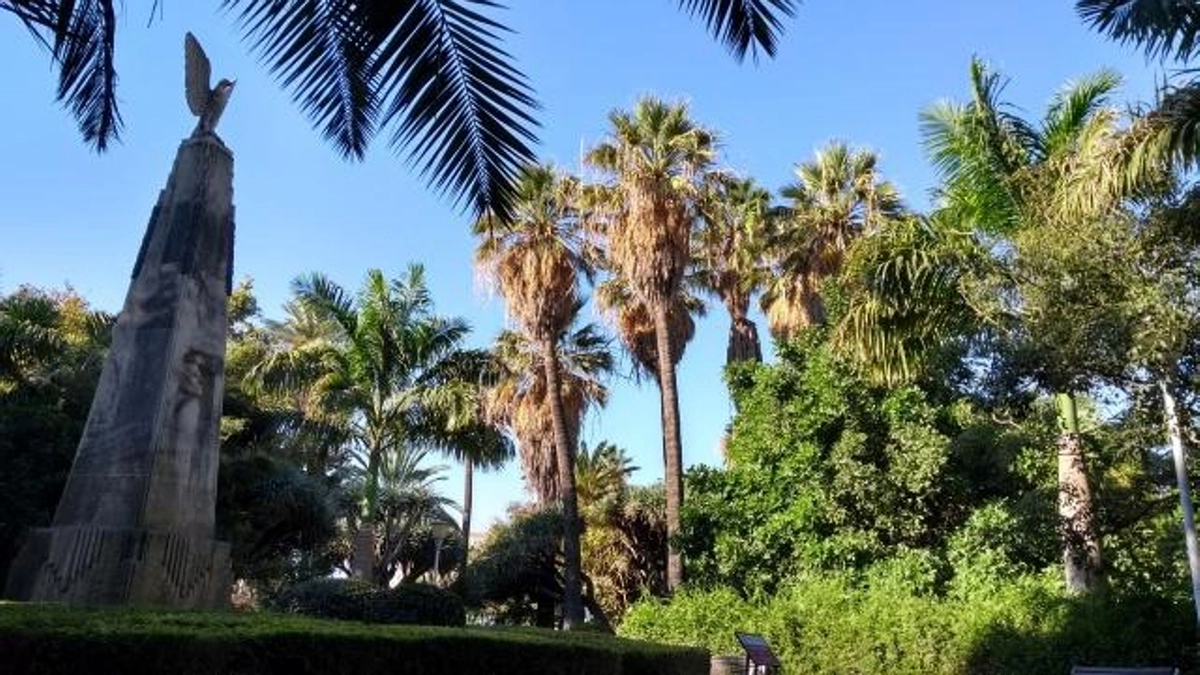

The Parque de Málaga is undoubtedly one of the most emblematic green lungs of the city, being much more than just a public space adjacent to one of the main thoroughfares, the Paseo del Parque. Its origin is intrinsically linked to the urban and maritime development of Málaga during the 18th and 19th centuries, when the city began an ambitious transformation process that culminated with the creation of one of the most extraordinary landscaped avenues in Europe.
The Parque de Málaga is strategically located between the Alameda Principal and the Paseo de España, extending from the Plaza del General Torrijos to the Plaza de la Marina. This privileged enclave combines functionality and aesthetics, integrating three parallel promenades each 800 meters long. Its total area exceeds 30,000 square meters, including a rose garden surrounded by orange and cypress trees near the Casa Consistorial and the Jardines de Puerta Oscura. Unlike most traditional parks, the design of the Parque de Málaga follows an open Mediterranean garden concept, with moderately Renaissance and Baroque layouts. This configuration allows for comfortable accessibility and harmonious integration with the local climate, recognized as optimal throughout the year.
Origin: a monumental project on land reclaimed from the sea
The origin of the Parque de Málaga dates back to the 1896 Law, inspired by Antonio Cánovas del Castillo, a politician from Málaga and the President of the Government of Spain. The law aimed to define the limits of the port lands for landscaping and to provide citizens with an exceptional public space. However, the process was complex: the land where the Park now stands was reclaimed from the sea, requiring extensive stabilization and urbanization work.
The initial project was driven by the Marqués de Larios and approved by the City Council. Renowned architects such as Joaquín Rucoba, Tomás Brioso, and Manuel Rivera Valentín participated in its development, embodying an urban vision that combined beauty and functionality. Although the Royal Order authorizing its construction was issued in 1897, the works extended over more than 30 years, transforming an old maritime coast into a true urban oasis.
The Parque de Málaga stands out for its astonishing biodiversity, hosting species from all five continents, from Canary Island dragon trees and century-old ficus to rare subtropical plants like the Encephalartus Laurencianus, a gift from the Marqués de Larios. You can also admire Australian flame trees, Lebanese cedars, Californian palms, and South American chorisias, among many others. This botanical richness not only provides shade and coolness but also turns the Parque de Málaga into a true open-air museum. It is also a meeting place with local history, thanks to the busts and statues dedicated to illustrious figures from Málaga such as the poet Salvador Rueda and the painter Antonio Muñoz Degraín.
More than a century after its construction, the Parque de Málaga continues to be a symbol of the city's urban progress and a natural refuge in its heart. Its history, marked by technical challenges and collaboration between authorities and philanthropists, positions it as an example of visionary urban planning. Although it never had an official inauguration or a definitive name, this space remains a living legacy of the great transformations that defined Málaga as a cutting-edge city.

Latest news





Upcoming events
12
Nov
El Desembarco, la traición de Viriato at La Caja Blanca
12
Nov
HOMER El Mero Mero at Sala Trinchera Málaga
13
Nov
Marbella Startup Lab – Innovate & Collaborate
13
Nov
Candlelight: Coldplay & Imagine Dragons at Sala Fundación Unicaja María Cristina
13
Nov
Candlelight: Tribute to Ludovico Einaudi at Anantara Villa Padierna
Similar News

Málaga Airport Makes History with More Than Three Million Passengers in One Month
Málaga

Port of Málaga looks beyond its docks to support future growth
Málaga

Guide to the Virgen del Carmen Processions in Málaga and the Province
Málaga
