How to Protect Your Skin and Recognize Warning Signs This Summer
Dermatologists and oncologists from the five Vithas hospitals in Andalusia carry out awareness actions and clinical recommendations.
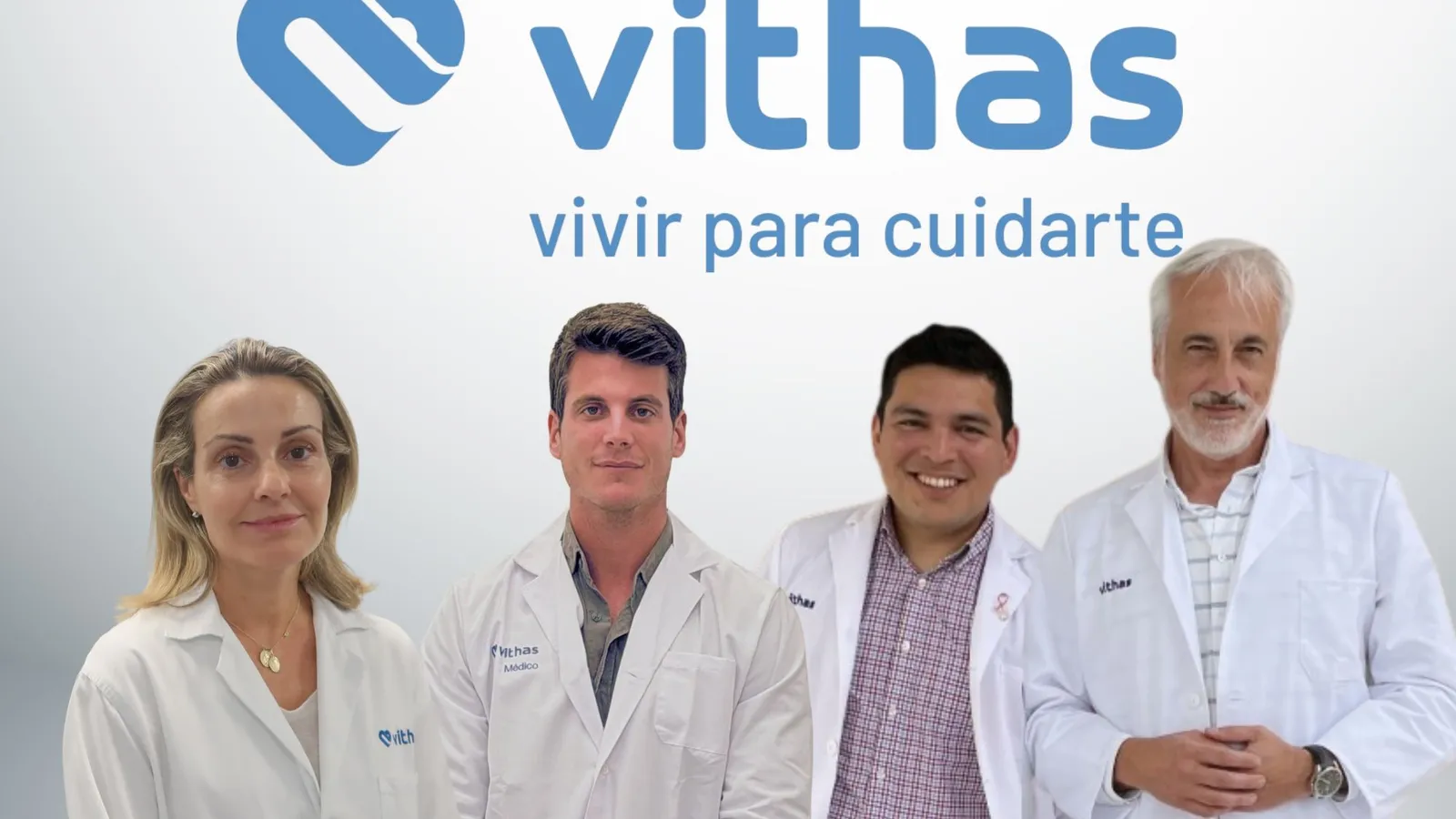

Here is the text exactly as the original, without altering any words or its structure, applying strategic bolding for SEO focused on health-related searches by users (types of tumors, risk factors, protection methods, and child photoprotection):
On the occasion of the European Skin Cancer Prevention Day, which was recently celebrated, the five Vithas hospitals in Andalusia, Vithas Sevilla, Vithas Málaga, Vithas Xanit, Vithas Granada, and Vithas Almería, remind us that skin cancer is the most frequent[1] of all tumors diagnosed annually worldwide and, in most cases, it is preventable.
Specifically, with the arrival of greater sun exposure, and given the increased dermatological risk this entails, Dr. Gracia del Río, a specialist in Dermatology at Vithas Sevilla, emphasizes that “the main cause of skin cancer is prolonged and intermittent exposure to ultraviolet radiation, especially sunburns suffered during childhood and adolescence.” Genetic factors, as well as exercise or professions with long exposure to the outdoors, also contribute.
For better skin protection, Dr. del Río specifies that sunscreen should be applied to clean, dry skin, 30 minutes before sun exposure, and reapplied every two hours, as well as after swimming, sweating, or drying off with a towel. To ensure the level of protection indicated on the package, the correct amount is 2 ml per cm² of skin. Sensitive and often neglected areas, such as the ears and lips, should not be forgotten. Regarding physical photoprotection, the specialist recommends tightly woven, non-elastic fabrics, preferably dark-colored cotton, wide-brimmed hats, and sunglasses with UV protection. Moreover, avoiding the sun between 11:00 AM and 3:00 PM solar time remains the most effective measure of natural photoprotection.
Meanwhile, Dr. Renato Salguero, a specialist in Medical Oncology at Vithas Almería, has focused on the sun protection factor (SPF), which indicates how much a sunscreen protects against ultraviolet B (UVB) radiation, largely responsible for sunburn. “The higher the SPF, the greater the protection, but not proportionally. That is, an SPF 100 does not protect twice as much as an SPF 50, although many people believe it,” states the oncologist. In practice, an SPF 50 already offers very high protection and is usually sufficient for most people, provided it is applied correctly.
Higher factors, such as SPF 100, may be recommended in specific cases, such as people with very fair skin, a history of skin cancer, diseases that increase sensitivity to the sun, or very intense and prolonged sun exposures. As the specialist points out, “the difference between an SPF 50 and an SPF 100 is much less than the difference between applying sunscreen correctly and insufficiently.” He also reminded that no sunscreen blocks 100% of UV radiation and that it penetrates even on cloudy days.
Early detection in the fight against skin cancer
The three main types of skin cancer are basal cell carcinoma, squamous cell carcinoma, and melanoma, whose early detection allows for high cure rates with lower risks and side effects associated with treatment.
Dr. Pedro Rovira, an oncologist at Vithas Granada, emphasizes that the incidence of cutaneous tumors continues to rise in many countries, largely driven by accumulated exposure to ultraviolet radiation over a lifetime. “The best strategy against skin cancer remains prevention and early diagnosis. Most cases can benefit from less complex treatments with better outcomes when detected in early stages,” states the specialist. In this regard, he stresses that the fight against skin cancer must be approached from a comprehensive perspective that combines health education, responsible sun exposure habits, regular check-ups in at-risk individuals, and increased social awareness about the importance of skin care from an early age. In this way, it is possible to reduce the incidence of these tumors and increase the chances of cure when they appear.
Child skin, a focus for prevention
Dr. Ignacio Castaño, head of the Dermatology and Aesthetic Medicine Service at Vithas Málaga, points out that children's skin is extremely vulnerable to the harmful effects of ultraviolet radiation. “Each sunburn in childhood significantly increases the risk of developing skin cancer in adulthood, including melanoma,” he warns. Therefore, he recommends instilling from an early age the use of broad-spectrum sunscreens with a high protection factor, appropriate clothing, hats, and sunglasses, as well as avoiding exposure during the central hours of the day.
Finally, Vithas Xanit Estepona Hospital held an information day at the entrance of its Outpatient Clinic building, where it set up a stand where health professionals offered recommendations on sun protection and healthy habits. This initiative aimed to remind us that accumulated sun exposure is one of the main risk factors for skin cancer and that, with simple measures, it is possible to reduce its impact. Among the main recommendations are avoiding prolonged sun exposure, especially during the central hours of the day, and using broad-spectrum photoprotection every two hours; among others.
The work in prevention and health promotion regarding pathologies related to skin cancer responds to the strategy of the Vithas Oncological Institute (IOV), which brings together leaders in the specialties that treat cancer in Spain, professionals with extensive experience, an innovative vision of healthcare, excellent management of new drugs and personalized therapies, as well as a robust commitment to research.

Latest news





Upcoming events
17
Sep
La Pequeña Cuba Gastro-Cultural Festival in San Pedro Alcántara 2026
18
Sep
World Wellness Weekend Marbella 2026
18
Sep
Candlelight: Queen vs. ABBA in Málaga
18
Sep
Candlelight: Coldplay and Imagine Dragons in Málaga
18
Sep
3 de Corazones – Pancho Céspedes, Enrique Ramil and José Luis Jaén in Málaga
Similar News

Marbella Launches ‘Summer Youth’ Programme with 2,500 Free Places
Marbella

Premium Tourism Drives Marbella’s Hotel Profitability to Record Levels as Overnight Stays Exceed 291,000
Marbella

‘Machos Alfa’ seeks extras in Marbella for filming of its sixth and final season
Marbella