


Costa del Sol Hospital launches a home dialysis program

Marbella
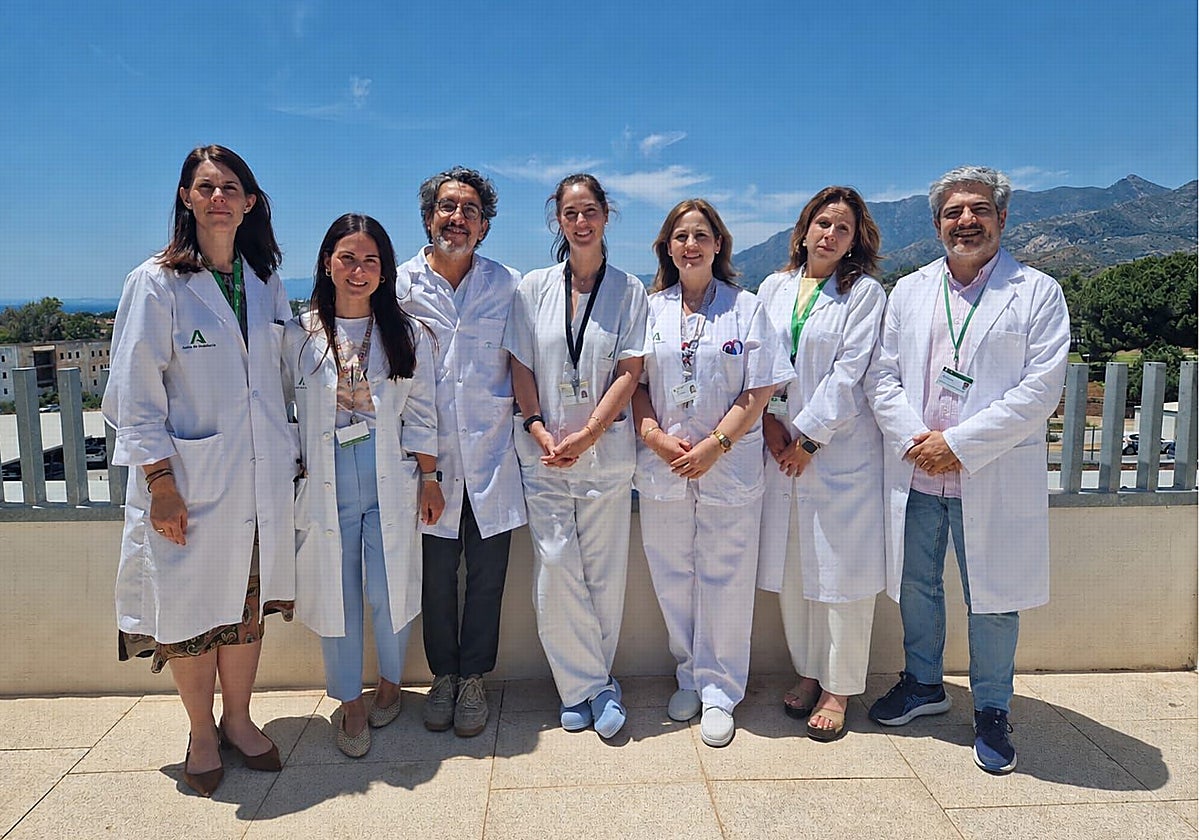
16/06/2026 at 21:23h.The Costa del Sol University Hospital (HUCS) has expanded the service portfolio of its Nephrology unit with the launch of the ... peritoneal dialysis program, a dialysis technique that will allow offering patients with chronic kidney disease more therapeutic alternatives tailored to their clinical and personal needs, and promoting home care. Since May, the Marbella hospital has had a specific consultation for this treatment, which until now was offered at the Regional University Hospital of Málaga.
With a population of the health area close to 500,000 inhabitants and a progressive growth of people diagnosed with advanced chronic kidney disease, the main goal of this launch is to expand the therapeutic range. "With the creation of this specific consultation, the hospital advances towards a model of assistential humanization that places the patient at the center, promoting their active participation and preventing the treatment from conditioning their daily life," the HUCS emphasizes.
Peritoneal dialysis is a treatment that replaces part of the kidney function aimed at removing waste substances and excess fluids from the body. While hemodialysis uses an external machine to filter the blood, peritoneal dialysis uses a natural body membrane called the peritoneum, located in the abdomen, to perform this filtering function, for which a special fluid is introduced through a catheter into the abdominal cavity, which collects the toxins and excess fluids from the body.
One of the main advantages of this technique is that it can be performed at the patient's home, providing greater autonomy and flexibility in daily life, in addition to avoiding travel and waiting times at the hospital or dialysis center.
Continuity of Care
The implementation is the result of months of coordinated interdisciplinary work between the Management, the Nephrology service, and the Nursing supervision, in addition to three months of specific training by the responsible professionals, which has been transferred to the rest of the unit and hospitalization staff. Moreover, the program stands out for its coordination with Primary Care, which ensures the continuity of care and comprehensive patient support in their own home environment. In fact, the patient is accompanied "from the beginning by developing a program of teaching and individualized training so that they can perform the technique at home safely and confidently," thus promoting their autonomy and quality of life, explained Rafael Barrios, nursing supervisor of Nephrology. In addition, continuous monitoring and telephone counseling are provided to resolve any doubts or incidents.
The commitment to this model has required an investment in human, material, and organizational resources, including cutting-edge equipment and new care circuits
The commitment to this model has required an investment in human, material, and organizational resources, including cutting-edge equipment and new care circuits to optimize safety and coordination between the hospital and health centers. The managing director of the Costa del Sol University Hospital, Antonio Cansino, has highlighted that the incorporation of this program to the hospital's service portfolio "promotes the continuity of care for patients, as well as the early planning of renal replacement therapy, contributing to the sustainability and efficiency of the public health system."
"Chronic kidney disease is an emerging pathology, preventing its progression to end stages dependent on dialysis techniques is the main goal, but, once it has progressed, we must always offer the patient the possibility of a kidney transplant if possible and, secondly, home dialysis techniques among which peritoneal stands out," points out the head of the Nephrology section at HUCS, Juan Payán.
- More topics
- Hospital Regional de Málaga
- Marbella
- Costa del Sol

Latest news





Upcoming events
12
Nov
El Desembarco, la traición de Viriato at La Caja Blanca
12
Nov
HOMER El Mero Mero at Sala Trinchera Málaga
13
Nov
Marbella Startup Lab – Innovate & Collaborate
13
Nov
Candlelight: Coldplay & Imagine Dragons at Sala Fundación Unicaja María Cristina
13
Nov
Candlelight: Tribute to Ludovico Einaudi at Anantara Villa Padierna
Similar News

Málaga Airport Makes History with More Than Three Million Passengers in One Month
Málaga

Port of Málaga looks beyond its docks to support future growth
Málaga

Guide to the Virgen del Carmen Processions in Málaga and the Province
Málaga
