Comprehensive care to break the stigma of incontinence
Modesty and Embarrassment Double the Underdiagnosis of Incontinence in SpainValme Hospital in Seville Confronts This Taboo

Urinary incontinence and anal incontinence are a silent reality affecting millions of people in Spain. Despite its huge prevalence, it is estimated that more than six million citizens suffer from urinary incontinence and between two and four million suffer from the anal variant. Fear of rejection and social embarrassment cause a severe underdiagnosis. Many patients, out of modesty or under the false belief that it is an inevitable toll of aging, delay seeking medical help for years. This concealment is especially critical in fecal incontinence, whose stigma profoundly deteriorates the emotional health, social, and personal well-being of those affected.
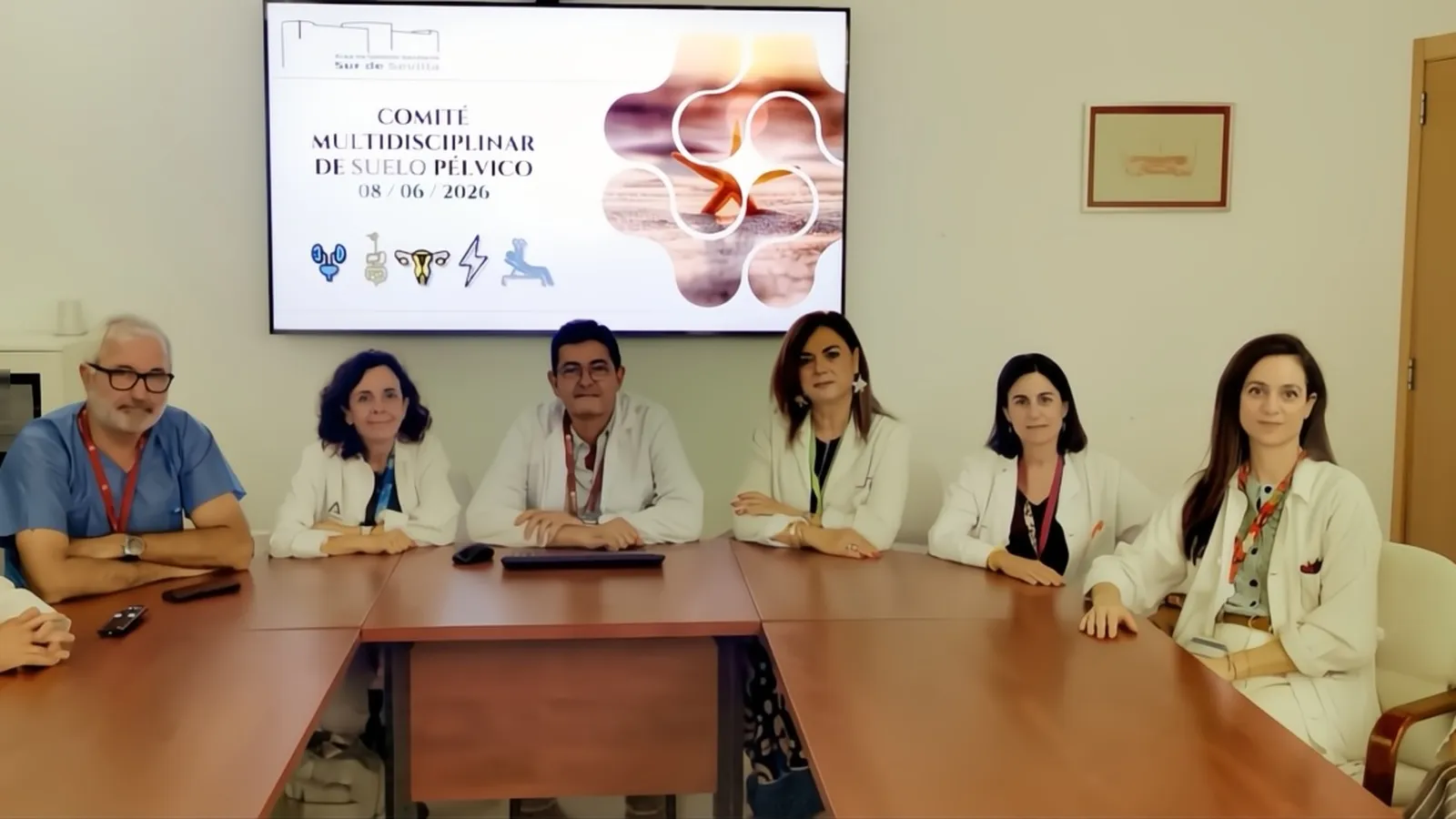
Tomorrow marks the start of World Continence Week, promoted by the Association of Urinary and Anal Incontinence along with the World Federation of Incontinence and Pelvic Problems (WFIPP). Professionals from the South Seville Health Area have established a reference model thanks to their Multidisciplinary Pelvic Floor Work Group. Formed in 2020 with the aim of providing more efficient and patient-centered care, this team coordinates the efforts of hospital specialists and Primary Care to treat pelvic floor dysfunctions, chronic pain, and uro-gynecological or digestive disorders.
The president of this Work Group, Pedro Blasco, highlights the existence and consolidation of this care model in the South Seville Health Area, stating that “its multidisciplinarity provides a joint perspective on each case, enriches its approach by integrating the experience of different specialties, and optimizes the quality of care responses by increasing the clinical capacity to offer each patient the most appropriate therapeutic alternative.”
This clinical framework breaks the traditional barriers of healthcare. Through regular meetings, professionals evaluate the most complex cases, unify protocols, and agree on the best treatment options, reducing care variability.
The success of this model lies in that each need finds a specialized response: the Proctology Unit addresses digestive disorders; Rehabilitation and Physiotherapy focus on functional recovery; Gynecology and Urology take on medical and surgical solutions; the Pain Unit provides specific support, and Primary Care acts as a key entry point into the system, ensuring that the patient is never neglected.
Although these pathologies can affect males, they are more prevalent in females due to biological factors such as pregnancy, childbirth, or menopause. However, there are risk factors for both sexes, such as obesity, previous surgeries, tumors, neurodegenerative diseases, or cognitive decline.

Latest news





Upcoming events
17
Sep
La Pequeña Cuba Gastro-Cultural Festival in San Pedro Alcántara 2026
18
Sep
World Wellness Weekend Marbella 2026
18
Sep
Candlelight: Queen vs. ABBA in Málaga
18
Sep
Candlelight: Coldplay and Imagine Dragons in Málaga
18
Sep
3 de Corazones – Pancho Céspedes, Enrique Ramil and José Luis Jaén in Málaga
Similar News

Marbella Launches ‘Summer Youth’ Programme with 2,500 Free Places
Marbella

Premium Tourism Drives Marbella’s Hotel Profitability to Record Levels as Overnight Stays Exceed 291,000
Marbella

‘Machos Alfa’ seeks extras in Marbella for filming of its sixth and final season
Marbella