


14% of the people from Malaga have diabetes, and half of them don't know it.

15/05/2026 at 00:26h.
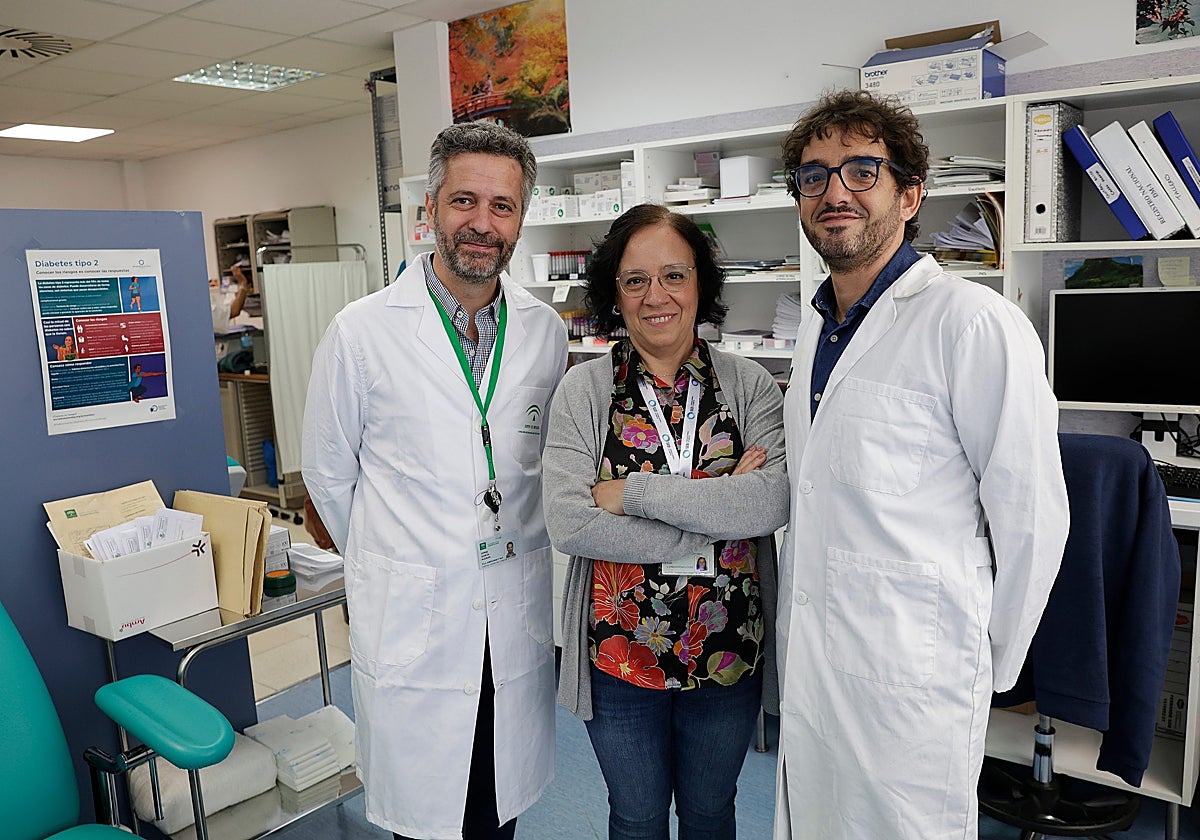
14% of people in Málaga have diabetes, and nearly half of them are unaware of it, according to endocrinologist Jorge García Alemán, whose work is carried out at the Diabetes Day Hospital of the Virgen de la Victoria University Clinical Hospital in the city of Málaga.
The main types of this disease are Type 1 and Type 2. Type 1 is an autoimmune disease where the pancreas stops producing insulin, requiring the patient to inject insulin indefinitely. It is not related to lifestyle habits and usually appears suddenly in children and young people. Type 2 occurs when the body does not use insulin effectively or does not produce enough, which is associated with obesity and sedentary lifestyle. It is more common in adults and can be controlled with diet and exercise.
Moreover, Dr. García Alemán also highlights gestational diabetes and monogenic diabetes. How does this disease affect health? "The sustained elevation of blood glucose acts like lime in a pipe: it tends to clog the circulatory system," explains Dr. García, leading to complications due to lack of irrigation and tissue damage. There is a risk of cardiovascular disease, which is the leading cause of death in these patients; vision problems, "the infamous blindness from diabetes"; kidney issues, and it can lead to amputations.
Symptoms
Symptoms that should raise alarms include unexplained weight loss, excessive thirst, and a high need to urinate. "When diabetes already shows these symptoms, it is considered advanced. The interesting thing about Type 2, which is the most common, is to detect it early through blood tests to measure fasting glucose," says Dr. García Alemán, among other tests. Cases are usually detected in Primary Care.
Symptoms that should raise alarms are unexplained weight loss, excessive thirst, and a high need to urinate.
However, there have been significant advances in recent years. In Type 2, there are new drugs that reduce poor disease control thanks to weight reduction. And in Type 1, "those patients who need insulin to survive, the best advances come from technology: continuous infusion systems, the so-called intelligent insulin pumps," he emphasizes. These are artificial pancreases, automatic or smart insulin delivery systems, which help patients keep their glucose levels more stable most of the time.
Day Hospital
The Diabetes Day Hospital at the Clinic attends to those with uncontrolled or misadjusted disease. There is an initial consultation where patients are closely monitored, with a strong emphasis on educational nursing. "The most important thing is to be able to accompany and educate," he clarifies. There are also technology consultations that assess and implement these systems and consultations for gestational diabetes, led by endocrinologist María José Picón: "30% of the day hospital's activity is pregnancy," emphasizes Dr. Picón. There is also another for uncontrolled Type 2 diabetes.
Insulin Infusion
Endocrinologist Diego José Fernández highlights that patients living with Type 1 diabetes are "subject to an insulin regimen forever." "The integrated insulin infusion systems that are connected to a sensor that measures their glucose levels 24 hours a day, seven days a week, are equipped to help the user make decisions," states Dr. Fernández, who adds that they improve average glucose and reduce the time patients spend in hypoglycemia, "the greatest risk of complication." "These systems have proven to improve the quality of life of those who use them," he declares.
The distinctive value of the Diabetes Day Hospital at the Clinic is especially given in non-critical hyperglycemia, which prevents future admissions or manages acute decompensations at home.
The day hospital has already implemented 530 systems. First, candidates are selected, "people who have severe hypoglycemia and unnoticed hypoglycemia, who have chronic poor metabolic control despite their efforts and previous knowledge, women with inadequate metabolic control who want to become mothers in the future, and some high-performance athletes, are people for whom the best scenario is not to inject slow and fast insulin several times a day," adds the endocrinologist.
This endocrinologist highlights that the day hospital is open twelve hours per day, and adds that the distinctive value is given, specifically, in non-critical hyperglycemia, which is what prevents future admissions and manages acute decompensations at home.
Training
After selecting the candidates, they are trained on aspects such as phone operation, how to manage day-to-day activities, hyperglycemia, or catheter obstruction. "All systems have shown improvement from the first day," this doctor emphasizes.
The great development of these devices has occurred in the last six years. "A person with diabetes has to make more than 300 decisions throughout the day based on many variables: it helps you make them, if it knows that your glucose is rising, it administers more; if it knows that it is dropping, it decreases or stops the system," describes Dr. Fernández.
The infuser has a catheter that is placed in the abdomen, thighs, or upper buttocks. This is connected to a sensor. "They have the possibility of using a continuous glucose sensor which has several important features: among them, it warns you that your glucose has a trend that tells you where you are going and a hypoglycemia alarm," he notes, to highlight that, after its implementation, "there has been a significant reduction in emergency room visits both for symptomatic hypoglycemia and for acute complications of hyperglycemia from diabetes, which is essential." Specifically, more than 50%. The sensor is placed on the arms and read on the mobile phone screen.
- More topics
- Diabetes
- Health
- Hospital Clínico de Málaga
- Málaga

Latest news





Upcoming events
12
Nov
El Desembarco, la traición de Viriato at La Caja Blanca
12
Nov
HOMER El Mero Mero at Sala Trinchera Málaga
13
Nov
Marbella Startup Lab – Innovate & Collaborate
13
Nov
Candlelight: Coldplay & Imagine Dragons at Sala Fundación Unicaja María Cristina
13
Nov
Candlelight: Tribute to Ludovico Einaudi at Anantara Villa Padierna
Similar News

Málaga Airport Makes History with More Than Three Million Passengers in One Month
Málaga

Port of Málaga looks beyond its docks to support future growth
Málaga

Guide to the Virgen del Carmen Processions in Málaga and the Province
Málaga
